

When the Gut Feels Like the Real Problem
There is a particular kind of exhaustion that comes from being believed about nothing and dismissed about everything at once. You know your body better than any lab printout does, and yet every time you try to explain what has been happening, the bloating that shows up an hour after almost any meal, the patch of eczema that flares on your wrists every few weeks for no obvious reason, the afternoon brain fog that rolls in like a fog bank off Lake Michigan, the new joint aching in your hands that nobody can explain, you watch the same pattern repeat. A provider orders a round of standard tests. The tests come back within normal limits. You are told, gently but unmistakably, that everything looks fine.
If you are a woman reading this in Michigan or Wisconsin, chances are you have lived some version of this exact scenario more than once. Maybe it started with a colonoscopy that came back clean after months of bloating and irregular bowel habits, and you were sent home with a diagnosis of irritable bowel syndrome, a label that describes a pattern of symptoms without explaining why they are happening. Maybe it was a celiac panel that came back negative even though you are certain, in your own body, that bread does something to you that it does not seem to do to anyone else at the table. Maybe your primary care provider ran a basic metabolic panel and a complete blood count, both unremarkable, and quietly suggested that stress or anxiety might be playing a bigger role than you want to admit.
I want to say something directly and clearly at the very beginning of this article, because I think it matters more than almost anything else I will tell you: your symptoms are not imaginary, and a normal result on the tests you have already had does not mean nothing is wrong. It usually means that the specific thing those tests were designed to detect is not present. A colonoscopy looks for structural disease. A celiac panel looks for one specific autoimmune reaction to gluten. Neither one was ever built to answer the question that is actually driving your symptoms, which is whether the lining of your gut, the single-cell-thick barrier separating the contents of your intestines from the rest of your body, is doing its job the way it should be.
This article is about that barrier. It is about a physiological reality that has a real, if imperfect, name in popular use, "leaky gut," and a considerably more precise name in the scientific literature, intestinal permeability. It is about why the mainstream tests most women have already had were never designed to evaluate it. It is about a specific, saliva-based laboratory test, the Mucosal Barrier Assessment, that measures three things instead, secretory IgA, anti-gliadin antibodies, and anti-candida antibodies, and why that particular combination of markers gives us a methodologically different and considerably more defensible window into gut barrier health than the blood test most people have heard of and that most gastroenterologists, with good reason, do not trust.
I am going to ask you to hold two things at once as you read this, because I think an honest article on this topic has an obligation to do exactly that. The first is that increased intestinal permeability is a real, published, physiologically coherent phenomenon, not a fabrication of the wellness industry. The second is that a great deal of the leaky gut content circulating online, including some of the testing available for it, deserves real skepticism, and I am not going to pretend otherwise just because it would make for a tidier sales pitch. Somewhere between reflexive dismissal and uncritical acceptance is where the actual science lives, and that is where I intend to keep us for the rest of this article.

If any part of what you just read sounds like your own life, the bloating that never quite gets a name, the skin flares that come and go with your stress level, the sense that your immune system is somehow both overactive and worn down at the same time, keep reading. We are going to walk through the actual cell biology of the gut lining, why your existing tests could not have caught this, the specific controversy around a popular blood test you may have already heard of, and exactly what a more defensible saliva-based alternative can and cannot tell you.
I also want to name something that many women feel but rarely say out loud in a doctor's office: a quiet suspicion that they have somehow become "too sensitive," physically, that their bodies overreact to foods and stressors that other people tolerate without a second thought. That framing puts the blame in the wrong place. A body that is mounting a measurable immune response to a specific dietary antigen, or one whose front-line mucosal defenses have been genuinely depleted by years of unmanaged stress, is not being dramatic. It is behaving in a way that is entirely consistent with known immunology. The goal of this article is to replace that vague, self-blaming narrative with an actual physiological map, one you can bring into a clinical conversation and use to ask sharper, more specific questions than "why do I feel so awful" alone would ever produce.
I have been a nurse practitioner for more than two decades, and I have watched this specific corner of medicine shift considerably during that time. Gut barrier physiology has moved from a fringe idea dismissed outright, to a legitimate area of gastroenterology research, to, more recently, a topic overrun by wellness marketing eager to monetize the legitimate science before the public could properly separate it from the overreach built on top of it. My goal in writing this is to hand you the tools to make that separation yourself, so that whether you work with our practice or with someone else entirely, you walk into that conversation already able to tell the difference between a claim grounded in actual research and a claim that merely sounds like it is.
What "Leaky Gut" Actually Means, Physiologically

Before we go any further, I want to replace the vague, catch-all phrase "leaky gut" with the precise physiological concept it is standing in for, because the imprecision of that phrase is part of why it gets dismissed so quickly by some clinicians, and taken too literally by some patients. The correct term is intestinal permeability, and understanding what that phrase actually describes at the cellular level is the foundation for everything else in this article.
Picture the lining of your small intestine as a single continuous sheet of cells, called enterocytes, arranged edge to edge like tile on a floor. This sheet is only one cell thick. On one side sits the contents of your digestive tract: partially digested food, bacteria, yeast, and the countless molecular fragments produced as your body breaks down what you eat. On the other side sits your bloodstream and the dense network of immune tissue that lines your gut wall, called gut-associated lymphoid tissue, which houses a substantial percentage of your entire body's immune system.
For your body to extract nutrients, small, fully digested molecules, individual amino acids, simple sugars, fatty acids, need to pass through those enterocytes and into your bloodstream. This happens primarily through what is called the transcellular pathway, meaning the nutrient molecule is deliberately transported through the interior of the cell itself, via specific channels and carrier proteins, in a tightly regulated process. This is intentional, selective absorption, and it is exactly how your gut is supposed to work.
Tight Junctions: The Seals Between the Tiles
But there is a second pathway, the paracellular pathway, which refers to the narrow space between adjacent enterocytes rather than through them. Under normal, healthy conditions, this space is sealed by a structure called the tight junction, a complex of specialized proteins, including occludin, claudins, and junctional adhesion molecules, that clamp adjacent cells together and control precisely how much, and what size, of a molecule is allowed to slip through the gap between them.
Tight junctions are not a fixed, static wall. They are dynamic and regulated, opening and closing in response to specific physiological signals, which is itself a normal and necessary feature of gut function, not a defect. The key regulatory molecule here, and one that has become genuinely important in this area of research, is a protein called zonulin, first identified and characterized by Dr. Alessio Fasano, a gastroenterologist and researcher whose work has become foundational to the entire modern understanding of intestinal permeability. Fasano's research, published in reviews including "Leaky Gut and Autoimmune Diseases" and "Leaky Gut As a Danger Signal for Autoimmune Diseases," established zonulin as a physiologic regulator of the tight junctions between intestinal cells, meaning it is the molecular switch that can loosen or tighten those seals in response to specific triggers.
Two of the most well-studied triggers for zonulin release, and therefore for temporarily loosened tight junctions, are exposure to certain gut bacteria and exposure to gliadin, the specific protein fraction within gluten. This is not a fringe theory. It is described in peer-reviewed gastroenterology and immunology literature, and it forms part of the accepted mechanistic explanation for how gluten exposure can affect gut barrier function in susceptible individuals, an idea we will return to in more depth later in this article, and one that connects directly to the thyroid autoimmunity discussion in our companion article on Hashimoto's thyroiditis and thyroid antibody testing.
What Happens When the Seal Loosens Too Much, or Too Often
The Mucus Layer: An Often-Overlooked First Barrier
Before anything reaches the enterocytes and their tight junctions at all, it first has to pass through a thick, gel-like mucus layer that coats the entire intestinal surface. This mucus layer, produced by specialized goblet cells embedded throughout the gut lining, is not a passive coating. It is a dynamic, living structure, colonized by specific bacterial species that thrive in that mucus microenvironment, and it is where a significant amount of your secretory IgA is actually deployed, trapping antigens and organisms within the mucus itself before they ever reach the epithelial surface below. A thinned or disrupted mucus layer, which can occur with chronic low-fiber diets, certain medications, and sustained inflammation, effectively removes an entire line of defense before the tight junction question even comes into play. This is one of the reasons dietary fiber and fermented foods matter so much in a gut barrier repair protocol, a point we return to in the nutrition section later in this article, since fiber is the primary fuel source that allows mucus-dwelling beneficial bacteria to thrive and keep that layer robust.
When tight junctions open appropriately and briefly, this is normal physiology, a temporary and reversible response that resolves on its own. The concern that the term "leaky gut" is trying, somewhat imprecisely, to describe is a state of chronically increased paracellular permeability, where the gaps between enterocytes stay wider than they should, for longer than they should, allowing larger molecules, undigested food protein fragments, bacterial components like lipopolysaccharide (LPS), and other antigens, to cross into the deeper immune tissue beneath the gut lining more frequently and in greater quantity than an intact barrier would allow.
This matters because that immune tissue beneath the gut lining is not a passive bystander. It is one of the largest concentrations of immune cells in your entire body, and when it is repeatedly exposed to material it would not normally encounter in that volume or frequency, it responds. Depending on the specific antigens involved and a person's individual genetic and immune background, this repeated exposure is theorized to contribute to chronic low-grade systemic inflammation, and in genetically susceptible individuals, to the kind of immune dysregulation that plays a role in autoimmune disease. This is precisely the mechanism Fasano's research describes when discussing leaky gut as a "danger signal" that can precede and accompany autoimmune conditions such as celiac disease, type 1 diabetes, and Hashimoto's thyroiditis.
The Mainstream Gastroenterology Perspective: Camilleri's 2019 Review
I want to be careful here not to present intestinal permeability as a fringe idea that only functional and integrative practitioners take seriously, because that is not accurate, and it undersells how mainstream this physiology actually is. In 2019, Dr. Michael Camilleri, a gastroenterologist at the Mayo Clinic, published a rigorous, widely cited review in the journal Gut titled "Leaky gut: mechanisms, measurement and clinical implications in humans." This is not a wellness blog. Gut is one of the most respected peer-reviewed gastroenterology journals in the world, and Camilleri's review is, to date, one of the most careful, mainstream treatments of intestinal permeability available in the medical literature.
Camilleri's review does exactly what a rigorous scientific review should do: it confirms that increased intestinal permeability is a legitimate, measurable physiological phenomenon, describes the mechanisms behind paracellular and transcellular permeability in detail, and then goes on to critically examine which methods of measuring permeability are scientifically sound and which are not well validated. This is an important distinction that gets lost in a lot of casual conversation about this topic. The question is not "is leaky gut real." According to mainstream gastroenterology research, increased intestinal permeability is real. The genuinely important question, and the one that separates responsible clinical practice from marketing, is "which tests for it are actually measuring what they claim to measure." We are going to spend a significant part of this article answering exactly that question, honestly, including where a popular commercial test falls short.
Three Things to Hold Onto From This Section
- The gut lining is one cell thick, and nutrients cross it through two pathways: a regulated, deliberate transcellular route, and a paracellular route through the tight junctions between cells.
- Tight junctions are dynamic, not fixed, and zonulin, first characterized by Dr. Alessio Fasano, is the key protein that regulates how open or closed they are in response to specific triggers, including certain bacteria and gliadin.
- Increased intestinal permeability is accepted mainstream physiology, reviewed rigorously in 2019 by Dr. Michael Camilleri in the journal Gut, even though public discussion of "leaky gut" often oversimplifies or overstates what the science actually supports.
The Microbiome Connection: Why Bacterial Diversity Shapes Barrier Integrity

No discussion of the gut barrier is complete without acknowledging the trillions of bacteria, viruses, and fungi living in direct, constant contact with that single-cell-thick lining we just described. Your gut microbiome is not a passive passenger. It is an active participant in barrier function, immune training, and the very tight junction physiology we have been discussing, and understanding this relationship helps explain why gut barrier issues so rarely travel alone.
Short-Chain Fatty Acids and the Fuel for a Healthy Barrier
Beneficial gut bacteria ferment dietary fiber into short-chain fatty acids, including butyrate, propionate, and acetate. Butyrate in particular is the preferred energy source for the enterocytes that make up your gut lining, meaning a substantial percentage of the fuel your gut barrier cells use to maintain themselves, repair damage, and keep tight junctions properly assembled comes directly from bacterial fermentation of the fiber you eat. A gut microbiome that has been narrowed by years of a low-fiber, highly processed diet, repeated antibiotic courses, or chronic stress produces meaningfully less butyrate, which leaves the barrier itself less resourced to maintain its own structural integrity, independent of any specific antigen exposure.
Practically speaking, this is the physiological reason a genuinely varied diet, rich in different plant fibers rather than the same few "safe" foods eaten on repeat, matters as much as removing any single trigger. Different fiber types feed different bacterial species, and a narrow, repetitive diet, however well-intentioned, tends to narrow microbial diversity right along with it. This is one of several reasons we are cautious about extremely restrictive, long-term elimination diets that are not clearly justified by test results, a concern we return to directly in the myths section that follows.
Dysbiosis: An Imbalanced Ecosystem, Not Simply an "Infection"
The term dysbiosis describes an imbalance in the composition of the gut microbiome, generally characterized by reduced overall diversity, a relative overgrowth of certain opportunistic species, and a reduction in the beneficial, fiber-fermenting species that produce short-chain fatty acids. Dysbiosis is not a single infection to be eradicated with one targeted treatment. It is an ecosystem-level shift, and it develops gradually, shaped by diet, antibiotic exposure, chronic stress, and, for many women, hormonal fluctuation across the menstrual cycle and through perimenopause. This is part of why a rushed, aggressive antimicrobial approach so often disappoints: it may temporarily suppress one overgrown organism without restoring the underlying diversity and fiber-fermenting capacity that kept that organism in check in the first place, which is exactly the sequencing concern we raised earlier regarding candida overgrowth specifically.
Where the Mucosal Barrier Assessment Fits Relative to Microbiome Testing
It is worth being precise about a distinction that sometimes gets blurred: the Mucosal Barrier Assessment does not directly sequence or characterize your gut microbiome the way a comprehensive stool-based microbiome test does. It measures immune markers, sIgA, anti-gliadin antibodies, and anti-candida antibodies, that reflect the downstream immunological consequences of barrier and microbiome status, rather than providing a direct bacterial census. For some women, particularly those with a complex history of antibiotic use, prior gastrointestinal infection, or persistent symptoms despite an unremarkable Mucosal Barrier Assessment, a complementary comprehensive stool analysis can add real additional detail, characterizing the specific bacterial and fungal populations present rather than only the immune response to them. We discuss when that additional layer of testing makes sense on an individualized basis, since not every woman needs every available test, and thoughtful sequencing matters as much here as it does in the treatment protocol itself.
Common Myths and Misconceptions About Leaky Gut

Before we move into how testing actually works, I want to spend a section directly addressing the specific myths and overstatements that circulate about intestinal permeability, because clearing these away makes everything that follows easier to evaluate on its own merits, rather than through the lens of whatever version of "leaky gut" you may have already encountered online.
Myth One: "Leaky gut causes every chronic symptom"
This is probably the single most damaging oversimplification in this entire space. Fatigue, weight gain, hair loss, joint pain, anxiety, and dozens of other symptoms are sometimes attributed reflexively to leaky gut in casual wellness content, as though the gut barrier were the singular root cause underlying nearly all chronic illness. It is not. Thyroid dysfunction, hormonal imbalance, nutrient deficiencies, sleep disorders, and a long list of other conditions can produce identical symptoms, and several of the case studies later in this article exist specifically to illustrate situations where the gut barrier was not the primary driver, even in a woman who initially suspected it was. A thorough evaluation considers gut barrier status as one possible contributor among several, not an automatic default explanation.
Myth Two: "You can diagnose leaky gut from a symptom checklist alone"
Symptom checklists circulating online, listing dozens of vague, overlapping complaints and inviting you to count how many apply to you, are not a diagnostic tool. They are a marketing funnel, and nearly anyone under significant stress will check off enough boxes to feel "confirmed," regardless of their actual gut barrier status. Real evaluation requires an actual test, interpreted alongside your specific history, not a checklist score.
Myth Three: "If a test result is elevated, you need an aggressive detox or cleanse"
Aggressive multi-day cleanses, extreme juice fasts, and intensive parasite or "candida cleanse" protocols marketed to address leaky gut are rarely supported by the same research base we have cited throughout this article, and some carry real risk of nutrient depletion, disordered eating patterns, or, in Case 5 described later in this article, genuine harm from unnecessary restriction. Gut barrier repair is a gradual, sequenced process built on nutrient adequacy and reduced trigger exposure, not a dramatic short-term purge.
Myth Four: "Everyone should go gluten-free, just in case"
Removing gluten without evidence of a personal reaction to it offers no established benefit for someone who does not have celiac disease, non-celiac gluten sensitivity, or a measurable anti-gliadin antibody response, and unnecessarily restricting a major food category can reduce dietary variety and fiber intake in ways that are not neutral for gut health, given the microbiome fiber dependency described earlier in this article. Gluten elimination is a targeted intervention for women with evidence supporting it, not a universal wellness practice everyone should adopt reflexively.
Myth Five: "Leaky gut is a made-up condition that real doctors don't believe in"
This is the opposite overcorrection, and we addressed it directly earlier in this article: increased intestinal permeability is described in mainstream, peer-reviewed gastroenterology literature, including Camilleri's 2019 review in Gut. The skepticism some physicians express is often directed, reasonably, at specific unvalidated tests and overreaching claims, not at the underlying physiology itself, which is real and worth taking seriously when your history and symptoms support investigating it.
Myth Six: "Fix your gut and everything else, your weight, your hormones, your mood, resolves on its own"
This is a subtler, more seductive version of the first myth, and it deserves its own callout because it shows up constantly in gut health marketing aimed at women specifically. Gut barrier repair can absolutely improve energy, digestion, skin, and mood for the women in whom it is genuinely a relevant contributing factor, and several of the cases in this article illustrate exactly that. But for a woman whose weight resistance is primarily driven by insulin resistance and PCOS, or whose fatigue is primarily driven by cellular hypothyroidism, gut barrier work alone will produce partial, plateauing results at best, because it is addressing a real but secondary contributor rather than the primary driver. A thorough evaluation, not a single trendy intervention applied to every symptom, is what actually gets a woman unstuck.
Why Colonoscopies and Celiac Panels Were Never Built to Catch This

Now that we understand what intestinal permeability actually is at the cellular level, it becomes much easier to understand exactly why the standard GI workup so many women have already been through comes back clean. This is not a failure of your gastroenterologist, and it is not a sign that your symptoms are not real. It is a mismatch between the clinical question those tests are designed to answer and the clinical question you actually need answered.
The Colonoscopy: A Structural, Not Functional, Evaluation
A colonoscopy is, fundamentally, a visual and structural evaluation. A gastroenterologist advances a camera through your colon looking for polyps, tumors, diverticula, visible inflammation consistent with inflammatory bowel disease (Crohn's disease or ulcerative colitis), and other structural abnormalities that can be seen directly or sampled through biopsy. This is an extraordinarily valuable test, and it is genuinely important that you have one when it is clinically indicated, particularly for colorectal cancer screening or for ruling out inflammatory bowel disease when your symptom pattern suggests it.
What a colonoscopy cannot do, by design, is evaluate the microscopic integrity of the tight junctions between enterocytes, or measure whether paracellular permeability is elevated. Even a biopsy taken during a colonoscopy, examined under a standard light microscope by a pathologist, is looking for structural tissue changes, cellular architecture, inflammatory cell infiltration, signs of specific disease processes, not the functional status of a molecular protein complex holding cells together. A tight junction that is chronically loosened, allowing larger antigens through more often than it should, can look entirely unremarkable on standard histology. This is precisely why a woman can have debilitating bloating, food reactivity, and systemic symptoms and still receive a colonoscopy report that reads, in its entirety, "normal mucosa, no abnormalities identified."
The Celiac Panel: A Precise Test for a Specific, Different Disease
The standard celiac panel, typically tissue transglutaminase IgA (tTG-IgA) along with a total IgA level to make sure the test itself is valid for you, is an excellent, well-validated test for exactly one thing: celiac disease. Celiac disease is a specific autoimmune condition in which gluten exposure triggers an immune attack against the enzyme tissue transglutaminase, ultimately damaging the villi, the small fingerlike projections that line the small intestine and are responsible for nutrient absorption.
Non-celiac gluten sensitivity, and a broader pattern of immune reactivity to gliadin that does not rise to the level of celiac disease, are physiologically distinct from celiac disease itself. A woman can have a completely normal tTG-IgA level, no villous damage on biopsy, and a fully negative celiac panel, and still have a measurable, clinically relevant immune reaction to gliadin that is contributing to gut barrier loosening and systemic symptoms. This is not a controversial statement within gastroenterology; non-celiac gluten sensitivity is a recognized, if still incompletely understood, clinical entity distinct from celiac disease. The celiac panel simply was never designed to detect it, in the same way a pregnancy test was never designed to detect diabetes. Both are accurate tests. They are just answering different questions than the one you actually need answered.
Basic Bloodwork: Looking in the Wrong Compartment Entirely
The same logic applies to a standard complete blood count and metabolic panel, the tests most women have already had run more than once. These panels evaluate systemic markers: red and white blood cell counts, electrolytes, kidney and liver function, blood sugar. None of them include a direct measure of mucosal immune function or barrier integrity, because that was never their intended purpose. Even a standard serum IgA level, sometimes included in an extended panel, reflects a different immune compartment than the secretory IgA specifically produced and active at mucosal surfaces like the gut lining, which we will explain in detail in the sections ahead. A normal serum IgA tells you nothing definitive about your salivary or mucosal sIgA status.
Put simply, if you have been told your labs are "all normal" while still experiencing real, disruptive symptoms, it is worth asking a very specific question the next time you are in an exam room: normal according to which test, and was that test actually designed to look at the gut barrier and mucosal immune function specifically, or was it designed to rule out something else entirely. In most cases, for most women who have been through a standard GI workup, the honest answer is the latter.
A Word on SIBO, IBS, and Diagnoses of Exclusion
Two other diagnoses deserve a brief, honest mention here, because they frequently overlap with the symptom picture we are describing and are sometimes confused with, or mistaken for, gut barrier dysfunction itself. Small intestinal bacterial overgrowth (SIBO) is a specific condition in which bacteria that normally reside predominantly in the colon migrate and proliferate within the small intestine, and it is diagnosed through a specific breath test measuring hydrogen and methane gas production after ingesting a test substrate, not through the Mucosal Barrier Assessment or a colonoscopy. Irritable bowel syndrome, meanwhile, is typically what conventional medicine calls a diagnosis of exclusion, meaning it is assigned once structural disease has been ruled out through tests like a colonoscopy, without necessarily identifying a specific underlying mechanism. Neither of these labels is wrong, and neither is a substitute for the other. A woman can have SIBO, IBS, and abnormal gut barrier markers simultaneously, since these conditions frequently coexist and can each worsen the others, which is exactly why a thorough evaluation considers the whole picture rather than anchoring to a single label and stopping there.
Frequently Confused Conditions, Side by Side

Because so many of these conditions share overlapping symptoms, and because women frequently arrive at our practice already carrying one or more of these labels, sometimes accurately and sometimes not, I think a direct, side-by-side comparison is more useful here than another paragraph of prose alone.
| Condition | What It Actually Is | How It Is Properly Diagnosed |
|---|---|---|
| Celiac Disease | Autoimmune destruction of intestinal villi triggered by gluten, targeting the enzyme tissue transglutaminase | tTG-IgA antibody blood test plus total IgA, typically confirmed by small intestine biopsy, while still eating gluten |
| Non-Celiac Gluten Sensitivity | A gluten reaction that does not meet celiac diagnostic criteria, sometimes reflected in anti-gliadin antibody elevation | Diagnosis of exclusion after celiac disease and wheat allergy are ruled out; anti-gliadin antibody testing can support the picture |
| Increased Intestinal Permeability | Chronically loosened tight junctions allowing greater paracellular passage of antigens | No single clinical gold-standard test; the Mucosal Barrier Assessment offers an indirect, immunologically grounded window into related mucosal defense |
| SIBO | Bacterial overgrowth within the small intestine specifically | Hydrogen and methane breath testing after a specific test substrate |
| Irritable Bowel Syndrome | A symptom-based pattern of altered bowel habits and abdominal discomfort without identified structural disease | Diagnosis of exclusion after colonoscopy and other structural evaluation rule out other conditions |
| Inflammatory Bowel Disease (Crohn's/Ulcerative Colitis) | Chronic autoimmune inflammation causing visible structural damage to the intestinal lining | Colonoscopy with biopsy, imaging, and inflammatory marker bloodwork such as fecal calprotectin |
Notice that several of these conditions can coexist in the same woman at the same time. A woman with Hashimoto's thyroiditis, elevated anti-gliadin antibodies, and a history of SIBO is not an unusual or contradictory clinical picture. She is, unfortunately, a fairly common one, which is exactly why a thorough evaluation resists collapsing everything into a single diagnosis and instead maps out which of these overlapping conditions are actually present for her, specifically, before building a treatment plan.
The Serum Zonulin Controversy: An Honest Look at Why One Popular Blood Test Fails

This is the most important section of this article, and I want to say that as plainly as I said it about the WHI study when I wrote our guide to bioidentical hormone therapy. If you take away nothing else from everything you read today, I want you to understand exactly why serum zonulin blood testing, a test you may well have already had done, or seen advertised, is considered unreliable by many researchers, and why that specific problem does not automatically extend to the saliva-based approach we are going to spend the rest of this article discussing. This is not a footnote. It deserves the same rigor and candor we gave the WHI study in that earlier article, and I am not going to bury it or rush past it.
What Serum Zonulin Testing Claims to Measure
As we discussed in the previous section, zonulin is a real, physiologically important protein that Dr. Alessio Fasano identified as a regulator of intestinal tight junctions. Once zonulin's role became well established in the research literature, it was a logical, appealing next step for laboratories to develop a blood test that could measure circulating zonulin levels as a proxy for gut barrier permeability. If zonulin loosens tight junctions, the reasoning went, then a woman with higher blood zonulin levels should have a leakier gut barrier, and testing for it should give us a simple, direct window into barrier integrity.
This is a coherent hypothesis, and for a period of time, commercial serum zonulin ELISA (enzyme-linked immunosorbent assay) tests became widely used, both in some research settings and in functional and integrative medicine practices, as a stand-in for direct barrier assessment. This is likely the specific "leaky gut blood test" many women have already encountered, either through a prior functional medicine visit or through wellness marketing online.
What the 2019 PLOS ONE Study Actually Found
In 2019, a research team led by Ajamian published a study in PLOS ONE titled "Serum zonulin as a marker of intestinal mucosal barrier function: May not be what it seems." This study did something that good science is supposed to do when a widely used test has never been rigorously validated: the researchers went back and checked whether the commercial assays actually detect the zonulin protein they claim to detect.
What they found was genuinely concerning for anyone relying on this test. The study demonstrated that several widely used commercial zonulin ELISA kits do not, in fact, primarily detect the zonulin protein itself. Instead, these assays showed substantial cross-reactivity with other, unrelated circulating proteins, specifically haptoglobin, an entirely different protein produced by the liver primarily as part of the acute inflammatory response, and complement C3, a core component of the innate immune system's complement cascade. In other words, when a commercial serum zonulin test reports an elevated result, there is a real, published possibility that what the assay is actually detecting, at least in significant part, is elevated haptoglobin or complement C3, both of which rise for reasons that have nothing specific to do with gut barrier permeability, such as general systemic inflammation, infection, or an acute-phase immune response of almost any origin.
This is precisely why many researchers, including gastroenterology researchers writing in mainstream journals, now consider commercial serum zonulin testing an unreliable marker of intestinal permeability. It is not that zonulin itself is not a real, important regulatory protein, it is. The problem is specifically with the commercial assays used to measure it in blood, which appear, based on this published research, to be measuring something else, at least in part, a substantial percentage of the time.
Why This Matters for You, Directly
If you have previously had a serum zonulin blood test run, whether through a functional medicine provider, a naturopath, or a direct-to-consumer lab company, and it came back elevated, I want to be honest with you: that result may not mean what you were told it means. It may reflect general inflammation, an acute-phase immune response, or simply assay cross-reactivity, rather than a specific, reliable measure of how permeable your gut barrier actually is. This does not mean your symptoms are not real, or that gut barrier issues are not relevant to your case. It means that specific test result is not the solid evidence it was likely presented as.
Conversely, if a serum zonulin test came back "normal," that also should not be treated as definitive reassurance that your gut barrier is intact, given the same underlying assay reliability concerns. Either way, a result from this specific test should be interpreted with real caution, not as a settled answer.
Why the Mucosal Barrier Assessment Is a Methodologically Different Approach
This brings us to a distinction that matters enormously and that I want to state as clearly as I possibly can: the Mucosal Barrier Assessment, the saliva-based test that is the primary subject of this article, does not measure serum zonulin. At all. It is not a variation of the disputed test, a refined version of it, or built on the same assay technology. It is a fundamentally different test, measuring three fundamentally different markers, secretory IgA, anti-gliadin antibodies, and anti-candida antibodies, none of which rely on the zonulin ELISA methodology that the Ajamian research called into question.
Each of the three markers the Mucosal Barrier Assessment actually measures has its own independent body of scientific support, which we are going to walk through in careful, individual detail across the next several sections of this article: secretory IgA as a well-described mucosal immune defense molecule with decades of immunology research behind it, anti-gliadin antibody testing as a direct, specific measure of immune reactivity to a defined protein, and anti-candida antibody testing as a marker with a documented physiological connection to sIgA status published in a major allergy and immunology journal. None of these three measurements are vulnerable to the specific cross-reactivity problem identified in the zonulin research, because none of them are trying to measure zonulin in the first place.
I want to be equally honest about the limits of this distinction. The fact that the Mucosal Barrier Assessment avoids the specific, documented flaw in serum zonulin testing does not mean it is a flawless test, or that it directly visualizes your tight junctions the way an electron microscope in a research lab might. What it does mean is that it rests on a more defensible scientific foundation than the specific test that has drawn the most legitimate criticism in this field, and that its individual components are each independently supported in the peer-reviewed literature, rather than resting on a single assay whose validity has been directly challenged in a published study. We will return to the honest limits of what this test can and cannot tell you later in this article, in a dedicated section on what the research does not yet fully answer, because that section deserves its own space rather than being folded into this one.
How This Happened: A Brief, Honest History
It is worth understanding how a flawed commercial test came to be so widely used in the first place, because the answer is not sinister, it is simply how early-stage biomarker science sometimes unfolds before enough independent validation work has caught up to commercial demand. Zonulin research was genuinely exciting when it emerged, offering, for the first time, a specific, named molecular mechanism behind a physiological process that had previously been described only in general terms. Laboratory companies developed ELISA kits to capitalize on that excitement and meet a real clinical and consumer demand for a way to measure it, and for a period of years those kits were adopted, including by some functional and integrative practices, faster than the independent antibody specificity testing needed to confirm the kits were measuring what they claimed. This is not a unique story in laboratory medicine. It happens periodically across many areas of diagnostics, and the appropriate response, once independent researchers identify the problem, as the Ajamian team did in 2019, is exactly what should happen here: acknowledging the flaw clearly, stopping reliance on the flawed assay, and being transparent with patients about it, rather than continuing to use a discredited test simply because it is already established in a clinic's ordering workflow.
If a Provider Still Offers Serum Zonulin Testing
I say this without judgment toward any specific provider, since awareness of the 2019 findings is still uneven across the functional and integrative medicine field, but it is a fair and reasonable question to ask directly: if a clinic offers serum zonulin testing as its primary or only gut barrier evaluation, ask them directly whether they are aware of the Ajamian PLOS ONE findings regarding assay cross-reactivity with haptoglobin and complement C3, and ask what that means for how confidently they can interpret your specific result. A thoughtful provider should be able to answer that question directly and specifically, not deflect it. If they cannot, that itself is useful information about how carefully that particular result should be weighted in your overall care.
Wondering whether your own symptoms point toward a gut barrier issue?
A free 15-minute discovery call is a low-pressure next step, a real conversation about whether the Mucosal Barrier Assessment makes sense for your specific history, not a sales pitch.
Book Your Free 15-Minute CallThe Mucosal Barrier Assessment, Explained From the Ground Up
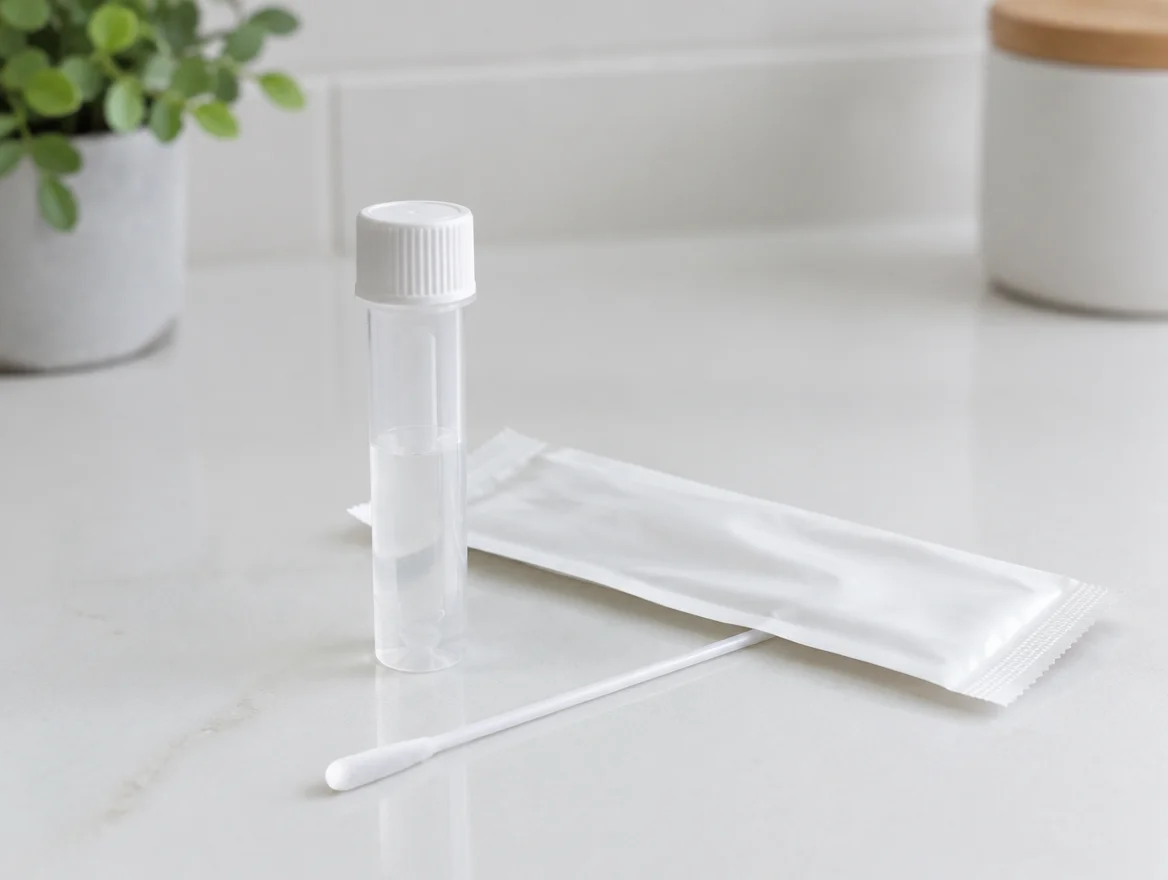
Now that we have been honest about what does not work, let's spend real time on what this specific test actually does, how it is performed, and precisely what each of its three components is telling us. The Mucosal Barrier Assessment is a saliva-based laboratory test that measures secretory IgA (sIgA), anti-gliadin antibodies (specifically the IgA class), and anti-candida antibodies (again, the IgA class), all from a single, simple saliva sample collected at home.
Why Saliva, Specifically
This is a fair question, and it deserves a real answer rather than an assumption. Saliva is not simply a convenient substitute for blood. It is a genuinely appropriate sample for this specific purpose because the oral cavity and the gut are both part of what immunologists call the mucosal immune system, a continuous, interconnected network of mucous membranes and their associated immune tissue that lines your entire digestive tract, from your mouth to your gut. Secretory IgA is produced locally by immune cells embedded in mucosal tissue throughout this system, including the salivary glands, and it is secreted directly into saliva as part of its normal function. Measuring sIgA in saliva is not an indirect proxy in the way serum zonulin is an indirect proxy for tight junction status. It is a direct sample of a mucosal immune secretion, taken from mucosal tissue, reflecting mucosal immune activity.
This is also precisely why the salivary sIgA measurement has independent scientific support as a validated, non-invasive biomarker in its own right, a point we will expand on considerably in the next section, rather than needing to borrow credibility from an unrelated blood test.
How the Test Is Actually Performed
The practical experience of taking this test is straightforward, and one of the more accessible pieces of functional laboratory testing we offer, precisely because it does not require a blood draw, a stool collection, or a specialized clinic visit. After a telehealth consultation confirms that this test is a reasonable next step for your specific symptom picture, a collection kit is mailed directly to your home. You typically complete the collection first thing in the morning, before eating, drinking anything other than plain water, brushing your teeth, or using mouthwash, since food, oral hygiene products, and even the act of chewing can all transiently affect saliva composition and introduce inconsistency into the sample.
The kit walks you through a simple passive drool or gentle chewing collection method into a small provided vial, depending on the specific kit used, typically taking only a few minutes. The sample is then sealed, packaged according to the kit's instructions, and mailed back to the laboratory using a prepaid shipping label. There is no fasting requirement beyond the morning collection window itself, no bowel preparation, and no need to take time off work for an in-person procedure, which is part of why this test travels so well for women managing full lives across Michigan and Wisconsin.
What Happens at the Laboratory
Once the sample reaches the specialty laboratory, it is analyzed using immunoassay technology to quantify each of the three markers. Results are typically available within one to two weeks of the laboratory receiving your sample. Rather than simply emailing you a number and a reference range and leaving you to interpret it alone, which is one of the more common frustrations women describe with some direct-to-consumer testing, results are reviewed together during a dedicated telehealth visit, where we walk through what each specific value means in the context of your personal history, your other lab work, and your actual symptoms, not in isolation.
What the Three Markers, Together, Are Designed to Reveal
The logic behind measuring these three specific markers together, rather than any one of them alone, is that each one illuminates a different piece of the same underlying story. Secretory IgA tells us about the strength of your mucosal immune defense overall, the "guard at the gate" function we will describe in detail in the next section. Anti-gliadin antibodies tell us specifically whether your immune system is actively reacting to gliadin, the gluten protein fraction most implicated in triggering zonulin release and tight junction loosening. Anti-candida antibodies tell us whether Candida albicans, a normally low-level resident yeast species in the gut, has expanded beyond its typical footprint, which, as we will detail later, has a documented physiological connection to depleted sIgA specifically.
Taken together, a pattern of low sIgA, elevated anti-gliadin antibodies, and elevated anti-candida antibodies paints a coherent, clinically useful picture: a mucosal immune system that is under-resourced at its front line, reacting to a specific dietary trigger with known tight-junction effects, and losing ground to an opportunistic organism that a healthy sIgA response would normally help keep in check. This is a materially different, and more internally consistent, story than a single disputed blood marker can tell on its own.
Who This Test Is Genuinely a Good Fit For
Given everything covered so far, this test tends to be most useful for a fairly specific group of women: those with chronic, unexplained bloating or digestive symptoms after structural disease has already been reasonably ruled out, those with diagnosed or suspected Hashimoto's or another autoimmune condition whose antibody activity remains stubbornly elevated despite an otherwise reasonable treatment plan, those with a suspected gluten reaction and a negative celiac panel who want a more specific answer than "just try eliminating it and see," and those with recurring skin flares, brain fog, or mood symptoms that seem to track with digestive symptoms or stress in a pattern they cannot otherwise explain. It is a considerably less useful starting point for a woman whose primary concern is a single, isolated symptom with an obvious alternative explanation already identified, which is exactly why the intake conversation described below exists, to make that determination together before ordering anything.
Collection Quality Matters More Than People Expect
Because this is a home collection test, the accuracy of your result depends meaningfully on following the collection instructions precisely, and I want to walk through why each specific instruction exists rather than presenting them as arbitrary rules. Collecting before eating or drinking anything besides water matters because food particles and even the mechanical act of chewing can transiently alter the concentration of the markers being measured. Avoiding toothbrushing or mouthwash beforehand matters because these can introduce blood from minor gum irritation or antimicrobial residue that can interfere with the immunoassay itself. Collecting at a consistent time, generally first thing in the morning, matters because sIgA follows a natural diurnal rhythm, meaning its concentration shifts somewhat across the day, and a standardized collection window keeps your result comparable to the reference ranges the laboratory has established and to any repeat testing you do later. None of these instructions are complicated, but skipping them casually is one of the more common, avoidable sources of a confusing or inconsistent result, which is why we walk through the collection protocol carefully with every patient before the kit ever arrives, rather than assuming the printed instructions alone will be sufficient.
When to Delay Testing
There are a handful of situations where we recommend waiting before collecting a sample, rather than testing regardless of timing and risking a result that reflects a temporary state rather than your baseline picture. An active acute illness, a current course of antibiotics, and the days immediately surrounding significant dental work or oral surgery can all transiently shift the markers measured on this test in ways that do not reflect your underlying, ongoing gut barrier status. If any of these apply to you at the time testing is being considered, we typically recommend waiting two to four weeks after resolution before collecting your sample, so the result you receive actually reflects your usual baseline rather than a temporary disruption.
Secretory IgA: Your Gut's First-Line Defense

Of the three markers in the Mucosal Barrier Assessment, secretory IgA is the one I want you to understand most thoroughly, because it is the foundational piece that gives context to the other two. If you remember nothing else from this section, remember this: sIgA is not simply another antibody among many. It is specifically the antibody your body has evolved to station at the front line of every mucosal surface, functioning less like a distant reinforcement and more like a standing guard posted directly at the gate.
What sIgA Actually Does
Secretory IgA is described in detail in a widely cited 2011 review by Corthesy published in the journal Mucosal Immunology, titled "Secretory IgA's complex roles in immunity and mucosal homeostasis in the gut." Corthesy's work, and the substantial body of immunology research it draws on, characterizes sIgA as the dominant antibody class present on mucosal surfaces throughout the body, including the gut lining, the respiratory tract, and, relevant to how this test is actually collected, the salivary glands and oral mucosa.
Functionally, sIgA works through a process sometimes called "immune exclusion." Rather than triggering a full inflammatory immune response every time it encounters a bacterium, a yeast cell, or a food antigen at the mucosal surface, sIgA binds directly to these particles and effectively neutralizes them in place, preventing them from adhering to the intestinal lining or penetrating deeper into the tissue in the first place. This is an elegant, low-collateral-damage form of immune defense. It handles the vast majority of routine microbial and antigenic traffic quietly, at the surface, without provoking the kind of inflammatory cascade that a deeper immune response, involving inflammatory cytokines and immune cell recruitment, would produce.
Corthesy's review also describes sIgA's role in maintaining what is called mucosal homeostasis, meaning it does not just fight off harmful organisms; it also plays a part in shaping a stable, balanced relationship between your immune system and the trillions of beneficial bacteria that make up your gut microbiome, helping regulate that relationship so that beneficial organisms are tolerated appropriately while harmful ones are still kept in check.
What Happens When sIgA Is Depleted
When sIgA production is chronically insufficient, whether from prolonged physiological stress, illness, nutrient depletion, or other factors we will discuss in the next section, that front-line defense is effectively understaffed. Bacteria, yeast, and food antigens that would normally be neutralized at the surface have a greater opportunity to adhere to the gut lining, persist longer in contact with it, and, in the context of an already compromised tight junction barrier, penetrate further into deeper tissue than they otherwise would. This does not mean low sIgA by itself causes leaky gut in a simple, single-cause sense. It means low sIgA removes one of the barrier's key supporting defenses, making the overall mucosal barrier system, tight junctions and immune surveillance together, less resilient than it would be with adequate sIgA on guard.
This is why sIgA is measured first, and given the most weight, in the Mucosal Barrier Assessment. It is not simply one marker among three equals. It is the contextual foundation that helps explain why the other two markers, anti-gliadin and anti-candida antibodies, might be elevated in the first place.
What Depletes sIgA in the First Place
Several distinct factors can lower sIgA production over time, and identifying which ones are relevant to your specific history is a genuinely useful part of the clinical evaluation, since the appropriate response differs depending on the cause. Chronic psychological and physiological stress, discussed in detail in the next section, is one of the most common and best-documented drivers. Prolonged illness or repeated infections can also deplete sIgA, since sustained immune activation elsewhere in the body draws resources away from mucosal antibody production. Nutrient depletion, particularly inadequate protein intake or deficiencies in specific nutrients involved in antibody synthesis, can limit the raw materials available to produce sIgA in adequate quantity. Intense, prolonged over-exercising without adequate recovery has also been documented to suppress sIgA, a pattern well described in athletic overtraining research, which is relevant for the sizable number of women in Michigan and Wisconsin who train seriously for marathons, triathlons, or competitive winter sports and sometimes push past what their recovery capacity actually supports.
Salivary sIgA as a Validated Stress and Immune Biomarker
One of the genuinely reassuring things about salivary sIgA, from a scientific rigor standpoint, is that it did not enter clinical use through functional medicine or wellness circles first. It has an extensive, independent research history in mainstream psychoneuroimmunology, the field that studies how the nervous system, the endocrine system, and the immune system interact, particularly under conditions of stress.
A systematic review of the research on salivary sIgA and psychosocial stress response confirms this relationship consistently across a substantial body of published studies. Researchers have used salivary sIgA for decades as a non-invasive, easily repeatable biomarker precisely because it responds measurably and predictably to acute and chronic stress, athletic overtraining, sleep deprivation, and immune status more broadly. This is genuinely useful context, because it means the measurement itself, salivary sIgA quantification, is not a novel or speculative laboratory technique invented for this specific test. It is an established methodology being applied here to a specific clinical question, gut mucosal barrier support, rather than a new, untested assay.
The Stress-Immune Connection, in Plain Language
Chronic activation of the sympathetic nervous system, the "fight or flight" branch of your autonomic nervous system, and the sustained elevation of cortisol that often accompanies it, both exert measurable suppressive effects on sIgA production over time. This is not a vague, generic "stress is bad for you" statement. It is a specific, published physiological relationship, and it is one of the more clinically useful pieces of this entire picture, because it gives us an additional, actionable lever beyond diet alone.
I bring this up directly because it explains something many of my patients across Michigan and Wisconsin describe almost identically: a pattern where digestive symptoms, skin flares, and a general sense of immune fragility all seem to worsen together during the most demanding periods of their lives, a stretch of overtime at work, a family health crisis, the sleepless newborn months, or, quite reliably, the darkest stretch of a Midwest winter. That pattern is not a coincidence, and it is not "just stress" in the dismissive sense that phrase sometimes carries in a rushed medical visit. It is a measurable, biologically coherent shift in mucosal immune defense driven by sustained nervous system and endocrine activation, and it is a major reason the nervous system regulation strategies discussed later in this article, not diet changes alone, are a core part of any serious gut barrier repair protocol.

It also explains why a single Mucosal Barrier Assessment result is best understood as a snapshot of your mucosal immune status at a particular point in time, shaped by your current stress load, sleep, and overall physiological state, rather than a permanent, unchanging label. A woman tested during an unusually stressful month may show a lower sIgA result than the same woman tested during a calmer stretch, which is exactly why we interpret this test alongside your broader history and symptom pattern, and why repeat testing is sometimes useful to track genuine change over time rather than a single moment.
Sleep, in Particular, Deserves Its Own Mention
Of all the modifiable factors that influence sIgA, sleep quality and duration may be the single most underappreciated lever, and it is worth separating from the broader "stress" category because it responds to genuinely different interventions. Immune function generally, and mucosal antibody production specifically, is closely tied to consistent, adequate sleep, and chronic sleep restriction, whether from a demanding job, young children, insomnia, or simply staying up too late scrolling a phone after a long day, produces measurable downstream effects on immune regulation that compound over weeks and months rather than resolving after a single good night's rest. For many of the women I care for, a genuinely boring-sounding intervention, a consistent bedtime protected even on weekends, does more for their gut barrier symptoms over three months than any single supplement we could have started instead.
Anti-Gliadin Antibodies: Gluten Reactivity Without Celiac Disease

The second marker in the Mucosal Barrier Assessment is anti-gliadin antibodies, specifically measured as IgA-class antibodies in saliva. To understand why this marker matters, and why it is different from the celiac panel you may have already had, it helps to go back briefly to the tight junction and zonulin physiology we covered earlier in this article.
Gliadin, the specific protein fraction found within wheat gluten, is one of the most well-documented triggers of zonulin release in the research literature associated with Dr. Alessio Fasano's work. When gliadin is broken down during digestion, certain resulting peptide fragments interact with the intestinal lining in a way that can stimulate zonulin release, which in turn can loosen the tight junctions between enterocytes, at least transiently, in a genetically susceptible individual. This is described in the same body of research that established zonulin's regulatory role in the first place, and it applies to some degree across a spectrum of gluten sensitivity, not exclusively to full-blown celiac disease.
Why This Antibody Test Is Different From a Celiac Panel
A celiac panel measures antibodies against tissue transglutaminase, an enzyme your own body produces, which becomes an autoimmune target specifically in celiac disease. Anti-gliadin antibody testing, by contrast, measures your immune system's direct reaction to the gliadin protein itself, the actual dietary antigen, rather than to a self-protein your immune system has turned against. This is a meaningfully different immunological event, and it explains why a woman can test negative on a celiac panel while still showing a measurable, elevated anti-gliadin antibody response.
An elevated anti-gliadin antibody result on the Mucosal Barrier Assessment is not, and should never be presented as, a celiac disease diagnosis. If celiac disease has not already been properly ruled out through a tissue transglutaminase antibody test, a total IgA level, and, when indicated, a small intestine biopsy while you are still eating gluten, that evaluation should happen on its own terms, separately, and it should happen before you make any significant dietary changes, since going gluten-free before celiac testing can produce a falsely reassuring, falsely negative result. What an elevated anti-gliadin result on this saliva test does tell us is that your immune system is actively mounting a response to gliadin exposure, right now, at a level worth paying attention to, regardless of whether that response ultimately meets the specific criteria for a celiac diagnosis.
Connecting This Back to Autoimmune Thyroid Disease
This is also the marker that connects most directly to a topic we have covered extensively elsewhere on this site: the relationship between gluten exposure and Hashimoto's thyroiditis. As we describe in detail in our guide to why a normal TSH does not rule out autoimmune thyroid disease, there is a well-described phenomenon called molecular mimicry, in which a fragment of the gliadin protein structurally resembles thyroid peroxidase, the enzyme that is the primary target of the autoimmune attack in Hashimoto's thyroiditis. In a genetically susceptible person, an immune response mounted against gliadin can, through this structural resemblance, cross-react against thyroid peroxidase as well, potentially perpetuating or intensifying the autoimmune attack on thyroid tissue. We covered the mechanics of TPO antibodies and Hashimoto's progression thoroughly in that earlier article and will not re-derive it here, but if you already carry a Hashimoto's diagnosis, or a family history of it, an elevated anti-gliadin antibody result on this test is a genuinely relevant piece of your broader clinical picture, not an unrelated coincidental finding.
A Note on Related Grains and Cross-Reactivity
A question that comes up often once a woman sees an elevated anti-gliadin result is whether other grains, oats, corn, or rice, need to be avoided as well. Gliadin is specific to wheat, barley, and rye. Oats contain a structurally related but distinct protein called avenin, and while true cross-reactivity to avenin is far less common than reactivity to gliadin itself, a subset of gluten-reactive individuals do show some immune cross-reactivity to it, which is worth watching for symptomatically during an elimination trial rather than assuming oats are automatically safe simply because they are gluten-free by growing practice. Corn and rice are structurally unrelated to gliadin and are not implicated in this specific mechanism, though either can independently cause symptoms in an individual woman for entirely separate reasons, which is exactly the kind of question a structured symptom-tracking approach, covered later in this article, can help clarify without guesswork.
Anti-Candida Antibodies and the Low-sIgA-Candida Connection

The third marker measured in the Mucosal Barrier Assessment is anti-candida antibodies, again measured as IgA-class antibodies in saliva. Candida albicans is a species of yeast that, in small, well-regulated amounts, lives as a normal part of the human gastrointestinal microbiome in most healthy people. It is not automatically a pathogen, and its mere presence is not itself a disease state. What matters clinically is whether its population has expanded beyond its typical, well-tolerated footprint, a state generally referred to as candida overgrowth.
The Documented Link Between Low sIgA and Candida Overgrowth
Here is where this marker connects directly back to the sIgA discussion earlier in this article, and where the science is genuinely specific rather than speculative. Research published in the Journal of Allergy and Clinical Immunology, in an article titled "Intestinal Candida albicans overgrowth in IgA deficiency," documents a legitimate, physiologically coherent connection between low IgA status and intestinal candida overgrowth. This research demonstrates that IgA, including sIgA at mucosal surfaces, plays a meaningful role in keeping Candida albicans populations in check within the gut, and that when that IgA-mediated control is diminished, candida has a genuine physiological opportunity to expand beyond its usual footprint.
This is precisely why measuring anti-candida antibodies alongside sIgA, rather than in isolation, gives us a more coherent clinical picture than either marker alone. If a woman's sIgA comes back low and her anti-candida antibodies come back elevated at the same time, that combination tells a physiologically consistent story: her front-line mucosal defense has been depleted enough, for long enough, that an organism it would normally help keep contained has had room to expand. This is a meaningfully different, and more scientifically grounded, interpretation than treating an elevated candida antibody result as an isolated, unexplained finding, or worse, as evidence of a vague, undefined "candida overgrowth" diagnosed by symptom checklist alone, which is unfortunately common in some corners of the wellness industry.
What This Does and Does Not Tell Us
I want to be precise about the boundaries of what this specific antibody marker can tell us, because candida overgrowth has become something of a catch-all explanation in some wellness spaces, applied to nearly any combination of fatigue, bloating, and mood symptoms without rigorous evidence. An elevated anti-candida antibody result on this saliva test is a specific, measurable immune marker indicating your body is actively mounting an antibody response against candida antigens. It is not, on its own, a comprehensive diagnosis of systemic candida infection, and it should not be used to justify extreme, prolonged dietary restriction or aggressive antifungal protocols without a broader clinical picture supporting that approach. Used appropriately, alongside your sIgA result, your symptom history, and, when relevant, stool-based microbiome testing, it is a genuinely useful piece of a coherent clinical puzzle rather than a standalone verdict.
Common Reported Symptoms Alongside Elevated Candida Antibodies
While no single symptom is diagnostic on its own, the following pattern shows up often enough in women with an elevated anti-candida antibody result, combined with low sIgA, that it is worth naming directly, so you can notice whether it resonates with your own experience.
- Sugar and refined carbohydrate cravings that feel disproportionate to actual hunger, sometimes worse in the evening.
- Bloating that worsens noticeably after sugary or starchy meals specifically, more than after protein- or vegetable-heavy meals.
- Recurrent vaginal or oral yeast symptoms, particularly around antibiotic courses or high-stress periods.
- A sense of mental fogginess or fatigue that seems to track with digestive flares rather than existing independently of them.
- Skin issues, particularly around the nail beds or in skin folds, that flare intermittently without an obvious external cause.
Again, this pattern is suggestive, not diagnostic on its own, and it should be interpreted alongside your actual lab results rather than used to self-diagnose candida overgrowth from a symptom list, which is precisely the kind of imprecise reasoning this article is trying to move you away from, not toward.
It is also worth distinguishing this saliva-based antibody testing from a vaginal or oral swab culture, which identifies active candida overgrowth at that specific local site rather than reflecting the broader gut-level immune picture this article focuses on. A woman can have a positive vaginal culture without an elevated anti-candida antibody result on this test, and vice versa, since they are measuring related but distinct clinical questions, one local and acute, the other systemic and immunological.
Understanding Your Actual Lab Report

Once results actually arrive, most women open the report on their own before our scheduled review visit, and I understand that impulse completely. Rather than leaving you staring at unfamiliar terminology and a set of numbers with no context, I want to walk through, in general terms, how a report like this is typically structured and how we think about interpreting it, without inventing specific numeric reference ranges here, since those vary by laboratory and should always be read against the specific range printed on your own report, not a generic figure from an article.
The Three Result Bands You Will Typically See
Laboratory reports for this kind of testing generally present each of the three markers, sIgA, anti-gliadin antibodies, and anti-candida antibodies, within a low, normal, or elevated band relative to the laboratory's established reference range, sometimes with a borderline category between normal and elevated. For sIgA specifically, "low" is the finding of clinical interest, since it reflects depleted mucosal defense, whereas for anti-gliadin and anti-candida antibodies, "elevated" is the finding of clinical interest, since it reflects an active immune response. A result sitting right at the border of a range is not automatically dismissible as irrelevant, particularly when it aligns with a clear symptom pattern from your tracking log, and it is not automatically actionable either, particularly in isolation. This is precisely the kind of nuance a genuine results review conversation is meant to work through with you.
Why We Never Interpret One Marker Without the Others
Consider a few realistic combinations. A woman with low sIgA but unremarkable anti-gliadin and anti-candida antibodies likely has a mucosal immune system under strain, from stress, sleep, or illness, without a specific identified trigger yet driving that strain, which points our attention toward the nervous system regulation and general immune support strategies discussed later in this article. A woman with normal sIgA but elevated anti-gliadin antibodies has a more specific, targeted gluten reactivity signal despite an otherwise adequately resourced mucosal defense, which points toward a more surgical dietary intervention rather than a broad immune-support overhaul. A woman with both low sIgA and elevated anti-candida antibodies fits the documented physiological relationship described earlier in this article, and calls for the sequenced sIgA-support-before-antimicrobial-attack approach we described in the safety section of the nutrition and lifestyle discussion. The pattern across all three markers, not any single number, is what actually drives a sound clinical recommendation.
What We Do With a Borderline or Ambiguous Result
Not every result is cleanly high or cleanly normal, and I want to be honest that ambiguous results do happen, as they do with essentially any laboratory test in medicine. When a result sits in a genuinely ambiguous zone, our typical approach is to correlate it carefully with your symptom tracking log, consider whether the collection occurred during an unusually stressful or unusually calm period that might have shifted a normally dynamic marker like sIgA, and, when appropriate, recommend a repeat test after a defined interval rather than building an entire treatment plan around a single uncertain number.
How Often We Recommend Repeat Testing
There is no single universal answer to how often you should repeat the Mucosal Barrier Assessment, and I want to give you a genuinely useful general framework rather than an arbitrary fixed interval. For a woman actively working through a defined protocol after a clearly abnormal initial result, repeat testing at roughly four to six months allows enough time for sIgA and antibody levels to meaningfully shift in response to dietary and lifestyle changes, without testing so frequently that normal week-to-week variability is mistaken for a lack of progress. For a woman whose initial result was unremarkable and whose symptoms have since resolved through addressing a different identified issue, such as Priya's thyroid conversion problem in the case studies below, repeat gut barrier testing is often unnecessary unless new symptoms suggest otherwise. And for a woman with an ongoing autoimmune condition like Hashimoto's, we often align gut barrier repeat testing with her existing thyroid antibody monitoring schedule, so the two pieces of data can be interpreted together rather than at scattered, disconnected intervals.
The Gut-Thyroid-Autoimmune Connection

If you have already read our extensive guide on normal TSH results and hidden Hashimoto's thyroiditis, you already know that Hashimoto's is responsible for the overwhelming majority of hypothyroidism diagnosed in the United States, and that it is fundamentally a disease of immune regulation that happens to target thyroid tissue, not a disease that originates in the thyroid gland itself. That article walks through the full staging of Hashimoto's progression, the TPO and TgAb antibody markers used to diagnose it, and the mechanics of molecular mimicry between gliadin and thyroid peroxidase in considerable depth, and we are not going to repeat that full explanation here. What I want to do in this section is connect the gut barrier physiology from this article directly to that framework, because for many of my patients, these two pieces are not separate problems happening to coexist. They are two visible expressions of a single, interconnected immune and barrier dysfunction.
Two Separate Mechanisms, Working Together
There are two distinct, but related, mechanisms worth separating clearly here. The first is the molecular mimicry mechanism discussed in the previous section: a fragment of gliadin structurally resembling thyroid peroxidase closely enough that an immune response against one can cross-react against the other in a genetically susceptible person. This is a specific, targeted mechanism tied directly to gluten exposure.
The second mechanism is broader and less specific to gluten alone: chronically increased intestinal permeability allows a wider range of food antigens, microbial fragments, and other molecules to cross into deeper immune tissue more frequently than an intact barrier would permit. Fasano's research on leaky gut as a "danger signal" for autoimmune disease describes this general mechanism as a contributing factor across multiple autoimmune conditions, not exclusively Hashimoto's, by keeping the immune system in a state of low-grade, chronic activation and potentially disrupting the immune tolerance that normally prevents the body from attacking its own tissue.
When both mechanisms are present at once, a genetically susceptible woman who is also gluten-reactive and who also has a chronically permeable gut barrier, you have a plausible, biologically coherent explanation for why so many women with Hashimoto's report that their antibody levels and symptom burden noticeably improve after removing gluten and addressing broader gut barrier integrity, a clinical pattern we described in several case studies within our TSH and Hashimoto's article. This article's gut barrier focus and that article's thyroid focus are, in a genuine physiological sense, describing two closely linked parts of the same underlying picture for many women.
Why This Matters for Testing Sequence
Practically speaking, this connection is a major reason we frequently recommend a Mucosal Barrier Assessment as a complementary piece alongside a full thyroid antibody panel for women with diagnosed or suspected Hashimoto's, rather than evaluating the thyroid in complete isolation from the gut. A woman whose TPO antibodies remain stubbornly elevated despite an otherwise reasonable thyroid protocol is exactly the kind of patient in whom an unaddressed gut barrier and gluten reactivity issue is worth investigating directly, rather than simply increasing thyroid medication dosing and hoping the antibody activity settles on its own.
Beyond Hashimoto's: A Broader Autoimmune Pattern
Hashimoto's is the autoimmune condition we see most often in our practice, given how common thyroid autoimmunity is among women in Michigan and Wisconsin, but the general gut barrier and autoimmunity relationship described in Fasano's research is not limited to the thyroid specifically. Celiac disease itself, type 1 diabetes, and a handful of other autoimmune conditions share this same general pattern, genetic predisposition combined with an environmental trigger and altered gut barrier function, in the research literature. If you carry a personal or family history of more than one autoimmune condition, that combined history is itself clinically relevant context worth bringing into any gut barrier evaluation, since it may shift how much weight we place on barrier-supportive interventions as part of your broader autoimmune management, always alongside, never instead of, whatever specialty care your specific autoimmune condition already requires.
The Role of Genetics and Family History

Fasano's danger signal framework, and the broader autoimmune research it sits within, consistently emphasizes that genetic predisposition and environmental trigger act together, not independently, to produce autoimmune disease. Neither one alone is generally sufficient. This matters practically because it explains a question many women ask almost immediately once they understand the gliadin and zonulin mechanism: if gluten loosens tight junctions to some degree in everyone, why doesn't everyone develop autoimmune disease from eating bread.
Why Family History Matters So Much in This Specific Evaluation
The honest answer is that genetic susceptibility varies considerably between individuals, shaped by specific inherited immune gene variants, including certain HLA (human leukocyte antigen) types that are more strongly associated with celiac disease and other autoimmune conditions. A woman without that genetic background can experience the same transient zonulin release after gluten exposure without it ever progressing toward sustained immune dysregulation, while a woman with a strong genetic predisposition, particularly combined with additional environmental triggers, stress, infection, nutrient depletion, is at meaningfully higher risk of the same exposure contributing to a genuine autoimmune process over time.
This is precisely why we ask about family history so thoroughly during an intake, well beyond simply asking whether you have "any autoimmune disease in the family." A mother with Hashimoto's, a sister with celiac disease, a grandmother with rheumatoid arthritis, or a father with type 1 diabetes are all relevant data points that shift how seriously we weigh a given Mucosal Barrier Assessment finding, since the same moderately elevated anti-gliadin result carries different clinical weight in a woman with a dense autoimmune family history than in a woman with none at all.
We Do Not Currently Recommend Routine Genetic Testing for This Purpose
I want to be clear that we do not routinely order specific HLA genetic testing as part of a standard gut barrier evaluation, since for the majority of women, a thorough family history conversation combined with the Mucosal Barrier Assessment and relevant antibody panels provides sufficient clinically actionable information without the added cost and complexity of genetic testing. HLA testing can occasionally be a useful, targeted addition in specific circumstances, such as clarifying celiac disease risk in a first-degree relative of a diagnosed celiac patient who has ambiguous antibody results, but it is not a routine part of the evaluation described throughout this article, and we would discuss it with you specifically if your situation warranted considering it.
Perimenopause and the Gut Barrier

For women in their late 30s, 40s, and early 50s, the timing of new or worsening gut barrier symptoms often coincides with the earliest, most easily overlooked stage of perimenopause, and I want to name that overlap directly rather than let it pass by unaddressed, the way it too often does in a rushed conventional visit.
Why Fluctuating Hormones Can Destabilize Gut Function
Estrogen and progesterone both interact with gut motility, gut immune tissue, and the composition of the gut microbiome, meaning the hormonal volatility characteristic of perimenopause, well before cycles become obviously irregular, can independently produce new bloating, altered bowel habits, and shifts in food tolerance that have nothing directly to do with gluten or candida specifically. This means a woman who begins noticing new digestive symptoms for the first time in her early 40s deserves an evaluation broad enough to consider hormonal transition alongside gut barrier status, rather than assuming one explanation to the exclusion of the other.
Where This Connects to Our Broader Hormone Work
We have written extensively elsewhere about this broader hormonal picture, including in our guide to hormones and weight resistance over 40, which covers the DUTCH test, cortisol rhythm, and estrogen and progesterone balance in considerable depth, and that article's coverage of systemic inflammation and gut permeability provides useful additional context alongside what we have covered here. Rather than duplicating that material, we simply want to flag directly that a woman presenting with new gut barrier symptoms in her 40s is exactly the kind of patient in whom we frequently evaluate both pictures together, since treating one while ignoring the other tends to produce partial, unsatisfying results for either issue on its own.
Brain Fog, Mood, and the Gut-Brain Axis

Among the symptoms women describe most often when they finally sit down with me for a real conversation about their gut health, brain fog and mood changes rank near the top of the list, right alongside bloating and skin flares. "I feel like I'm thinking through cotton" is a phrase I have heard, in one form or another, more times than I could count, often from women who have already been told their thyroid is fine, their bloodwork is fine, and that what they are describing sounds like stress or possibly early perimenopause.
If cognitive fog and mood shifts are a significant part of your own picture, and you have not yet ruled out perimenopause or thyroid dysfunction as contributing factors, it is worth reading our dedicated guide on perimenopausal brain fog versus something more serious, which walks through that specific differential in far more depth than we have room for here. What I want to add in this section is the gut-specific piece of that picture, because for a meaningful number of women, gut barrier dysfunction is a contributing thread running alongside, or sometimes underneath, their hormonal picture, rather than a separate, unrelated issue.
The Gut-Brain Axis: A Real, Bidirectional System
The gut-brain axis refers to the extensive, bidirectional communication network connecting your digestive system and your central nervous system, involving the vagus nerve, immune signaling molecules called cytokines, the gut microbiome's production of neurotransmitter precursors, and the systemic circulation of inflammatory markers. This is an active, legitimate, and rapidly growing area of research across neuroscience, immunology, and gastroenterology, not a concept unique to functional medicine.
The biologically plausible pathway connecting gut barrier integrity to brain fog and mood symptoms runs roughly as follows: when the gut barrier allows more antigenic material through than it should, and when mucosal immune defense is depleted, the resulting low-grade systemic inflammation is not confined to the gut. Circulating inflammatory cytokines can influence brain function directly, affecting neurotransmitter metabolism, disrupting normal sleep architecture, and contributing to the kind of cognitive slowing and low mood that so many women describe as brain fog and flatness rather than clinical depression in the traditional sense.
Being Honest About the Strength of This Evidence
I want to be direct about something important here, because this is exactly the kind of claim that gets overstated in wellness content in a way that erodes trust in the legitimate parts of this science. The gut-brain axis, as a general field of study, is well established. The specific claim that an individual woman's brain fog is definitively caused by her particular gut barrier findings is a considerably harder thing to prove for any one person, and no honest clinician should present it as a settled, guaranteed cause-and-effect relationship in your specific case based on a single lab result. What we can say honestly is that this is a biologically plausible, actively researched connection, that many women with abnormal gut barrier markers do report cognitive and mood improvement alongside gut healing, and that ruling out thyroid dysfunction, anemia, sleep disorders, and hormonal shifts remains an essential part of any thorough brain fog evaluation, gut barrier findings or not. We will return to this honesty point in more depth in the dedicated section further down this article on what current research does not yet fully answer.
Why We Rarely Treat Brain Fog as a Single-System Problem
Given everything above, when a woman presents to us primarily concerned about brain fog, we do not default to a gut-only explanation, a hormone-only explanation, or a thyroid-only explanation. We build an evaluation broad enough to catch whichever of those systems, or which combination of them, is actually driving her specific presentation, since treating the wrong system, however biologically plausible it sounds on paper, wastes time and money without producing the relief she is looking for. One of the case studies later in this article, involving a woman whose brain fog turned out to be driven primarily by a thyroid conversion issue rather than her mildly abnormal gut markers, illustrates exactly why this broader, more careful approach matters in practice, not only in theory.
Skin Symptoms and the Gut Barrier

Skin is, in a very literal sense, an extension of the same mucosal and barrier immune system we have been discussing throughout this article, and it is one of the most common places women first notice that something systemic is happening well before they connect it back to their gut. Recurring eczema patches that flare and fade in a pattern that does not track cleanly with obvious environmental triggers, adult-onset acne clustered along the jawline, unexplained hives, and a general sense that your skin has become more reactive and less resilient than it used to be, all of these show up repeatedly in the histories of women who go on to have meaningfully abnormal results on gut barrier and mucosal immune testing.
Why the Skin and Gut Are Connected
The mechanistic explanation follows the same broad pattern described in the previous section on brain fog and mood: systemic low-grade inflammation, driven in part by increased antigenic material crossing a compromised gut barrier and by depleted mucosal immune defense, does not stay contained to the digestive tract. Circulating inflammatory mediators reach the skin, another barrier organ with its own dense immune tissue, and can contribute to, or worsen, existing inflammatory skin conditions. This is consistent with a growing area of dermatological and immunological research often referred to as the gut-skin axis, which examines how gut microbiome composition, barrier integrity, and systemic inflammation influence skin conditions including eczema, rosacea, and acne.
I want to apply the same honesty standard here that I applied to the brain fog discussion. Skin conditions are multifactorial, genuinely influenced by genetics, topical exposures, hormonal fluctuation, and factors entirely unrelated to gut health. A gut barrier evaluation is not a universal explanation for every skin complaint, and I would be doing you a disservice to suggest otherwise. What I can say, based on both the emerging research in this space and a substantial amount of clinical observation across the women I have cared for, is that when a woman's skin symptoms flare in close temporal relationship with digestive symptoms, stress spikes, or specific food exposures, and when a Mucosal Barrier Assessment reveals meaningful abnormalities, addressing that gut barrier picture directly is a reasonable, evidence-informed piece of a comprehensive skin treatment plan, used alongside, not instead of, appropriate dermatological care for the skin condition itself.
What to Watch For in Your Own Pattern
If you suspect a gut-skin connection in your own case, the symptom-tracking framework introduced later in this article is particularly useful here. Note whether skin flares cluster in the days following a specific dietary exposure, a period of poor sleep, or an unusually stressful stretch, rather than assuming a random, unpredictable pattern. Many women, once they track this deliberately for a few weeks, are genuinely surprised to discover a rhythm they had never consciously noticed before, one that had simply felt like bad luck until it was written down and looked at directly.
I also want to gently caution against the opposite mistake: assuming every skin flare must have a dietary trigger and spending months eliminating foods one at a time without any actual test guiding the search. Topical factors, harsh winter air, a new skincare product, hard well water in some rural Michigan and Wisconsin homes, and hormonal fluctuation across the menstrual cycle can all independently trigger a flare, and a reasonable dermatologic evaluation of the skin itself remains part of a complete picture alongside, not instead of, any gut-focused investigation.
What the Research Doesn't Fully Answer Yet

I promised at the outset of this article that I would be honest with you, and honesty about a topic like this requires more than a single section addressing the serum zonulin controversy, as important as that section was. It requires a clear, direct accounting of the genuine limits of what current science, and current testing, can actually tell any individual woman about her own gut barrier. I would rather lose a sale than lose your trust, and this section exists specifically to make sure that trade-off never has to be made.
There Is No Perfect, Universally Agreed-Upon Gold Standard Test
Camilleri's 2019 review in Gut, the mainstream gastroenterology paper we discussed earlier in this article, is candid about this exact point: even within rigorous academic research, there is no single, universally agreed-upon gold standard method for measuring intestinal permeability in a routine clinical setting. Research-grade techniques exist, including specialized sugar absorption tests (such as the lactulose-mannitol ratio test) and other specific research methodologies, but these are primarily used in controlled research environments, not as a routine, widely available clinical test you can easily obtain through standard care. This means that any clinically accessible test for gut barrier function, including the Mucosal Barrier Assessment discussed throughout this article, is working with an imperfect, indirect window into the underlying physiology, not a definitive, visual confirmation of tight junction status the way a colonoscopy directly visualizes colon tissue.
Correlation Is Not the Same as Individual Cause and Effect
Much of the research connecting gut barrier markers to autoimmune disease, brain fog, mood symptoms, and skin conditions is observational or mechanistic in nature, meaning it establishes a biologically plausible pathway and a statistical association across populations, rather than proving, in a randomized controlled trial sense, that fixing marker X will definitively resolve symptom Y in any specific woman. This is an important distinction, and it is one that gets flattened constantly in wellness marketing that promises a direct, guaranteed line from "heal your gut" to "resolve your fatigue, your brain fog, your skin, and your mood," as though the body were a simple, single-variable machine. It is not, and I am not going to promise you that kind of certainty, because it does not exist in the current evidence base.
Salivary sIgA Reflects a Moment in Time, Not a Fixed Trait
As we discussed earlier, salivary sIgA is genuinely sensitive to your current stress level, sleep status, and recent physiological state, which is part of what makes it a validated, dynamic biomarker in the stress research literature. That same sensitivity means a single sIgA result is a snapshot, not a permanent diagnosis. A woman tested during an unusually difficult week may show a different result than she would during a calmer stretch, which is exactly why interpretation of this test benefits from clinical context, symptom history, and, when useful, repeat testing over time, rather than treating one number as a fixed, unchangeable verdict on her gut health.
This Test Does Not Diagnose Celiac Disease, IBD, or Cancer
I want to restate this plainly, even though we covered it earlier, because it is important enough to bear repeating in this dedicated honesty section. The Mucosal Barrier Assessment is not a substitute for celiac disease testing, colonoscopy, or evaluation for inflammatory bowel disease when your history and symptoms warrant those specific tests. If you have alarm symptoms, unintentional weight loss, blood in your stool, persistent severe abdominal pain, a family history of colorectal cancer, or symptoms consistent with inflammatory bowel disease, those need proper structural and disease-specific evaluation through conventional gastroenterology channels, not a saliva test, and not this article, as a substitute.
Being Honest About Financial Incentives, on Both Sides
I think it is worth acknowledging directly that our practice generates revenue from ordering this test and from the consultation and protocol built around it, and you deserve to factor that into how you weigh anything I say in its favor. I would rather name that plainly than have you wonder about it silently while reading. What I can tell you is that the way we have structured this article, leading with the honest zonulin controversy, dedicating an entire section to what the research does not yet answer, and being explicit that a normal result is a genuinely useful outcome rather than a missed sales opportunity, reflects how we actually practice, not just how we write. A woman who does not need this test should not get it, and telling her so, clearly, is part of the job, even when it means a shorter visit and a smaller invoice.
On the Role of Attention and Belief in Symptom Improvement
One more honest acknowledgment belongs here. Any time a woman receives focused clinical attention, a clear explanation for symptoms that previously felt inexplicable, and a structured plan she believes in, some portion of her subsequent improvement may reflect the genuine, well-documented power of care itself, reduced anxiety, better sleep from feeling less alone with the problem, and the placebo-adjacent effect of finally having a coherent narrative, separate from the specific biochemical mechanisms we have described throughout this article. This is not a reason to dismiss the physiology we have covered, which rests on independently published research regardless of who is explaining it to you. It is a reason to hold your own results with appropriate humility, and it is part of why we favor structured symptom tracking and periodic repeat labs over relying on how much better you feel in the first hopeful weeks alone.
The Honest Bottom Line
Here is what I actually believe, after more than two decades in clinical practice, about where this test fits: it is a scientifically grounded, methodologically sound way to evaluate three specific, independently validated mucosal immune markers, sIgA, anti-gliadin antibodies, and anti-candida antibodies, that together give us genuinely useful information the standard GI workup was never designed to provide. It is not a crystal ball, it does not replace conventional gastroenterology evaluation when that is what your symptoms call for, and it should be interpreted by a clinician who understands both its strengths and its real limits, not treated as an oracle that hands you a complete, final answer on its own.
If you take one thing from this entire honesty section, let it be this: the right question is never simply "does this test work." It is "what specifically does this test measure, how strong is the evidence behind that specific measurement, and does it actually answer the question my symptoms are asking." Held to that standard, the Mucosal Barrier Assessment holds up considerably better than its disputed serum zonulin cousin, and considerably better than a symptom checklist alone, while still remaining one honest, bounded piece of a larger clinical picture rather than the whole picture by itself.
A Note for Women Who Have Already Tried "Everything"

Before we move into real clinical stories, I want to speak directly to a specific woman I know is reading this: the one who has already tried the elimination diet, the probiotic subscription, the digestive enzyme, the expensive cleanse someone recommended on social media, and who is reading this article with a familiar, guarded skepticism, because she has been disappointed by promises like this before.
I understand that skepticism, and I think it is earned. A great deal of what gets marketed in this space asks you to spend money and restrict your life first, and only offers an explanation, if it offers one at all, after the fact. That is backward, and it is part of why I structured this entire article the way I did, leading with the actual physiology, being explicit about where the evidence is strong and where it is not, and naming the specific commercial test that has failed independent scrutiny rather than quietly continuing to use it.
If you have already tried several unproven interventions without lasting relief, that history is not evidence that nothing will help you. It is evidence that the interventions you tried were not matched to an actual, individualized understanding of what was happening in your body. A test-first, sequenced approach is a genuinely different starting point than another guess, however well-intentioned that guess was, and the five composite cases below were chosen specifically to include situations where testing pointed toward the gut and situations where it firmly pointed away from it, because an honest article about this topic owes you both kinds of outcome, not only the flattering one.
Five Midwestern Women, Five Gut Barrier Journeys

Physiology becomes much easier to understand when it is grounded in real clinical scenarios. The five composite cases below reflect patterns we see routinely across women in Michigan and Wisconsin, combined and altered to protect individual privacy while preserving the clinical substance of each journey.
Case 1: Rebecca, 39 (Ann Arbor, MI): The Hashimoto's Antibody Plateau
Presentation: Diagnosed with Hashimoto's thyroiditis three years earlier, already on levothyroxine with a stable TSH, but her TPO antibodies had remained stubbornly elevated at every recheck despite a generally healthy diet. She also described bloating after most meals, occasional hives with no clear trigger, and a persistent low mood she attributed to "just having Hashimoto's."
Mucosal Barrier Assessment results: sIgA low, anti-gliadin antibodies significantly elevated, anti-candida antibodies mildly elevated.
The protocol and outcome: We removed gluten completely, having first confirmed a prior negative celiac panel obtained while she was still eating gluten, added targeted gut-supportive nutrients discussed later in this article, and addressed a genuinely demanding work schedule that had left her sleeping under six hours most nights. At her six-month thyroid antibody recheck, her TPO antibodies had dropped by roughly 45 percent from baseline, her bloating had resolved almost entirely, and her hives had not recurred in over four months.
Case 2: Danielle, 44 (Waukesha, WI): The Normal Colonoscopy, Real Bloating
Presentation: Two years of daily bloating so severe she had stopped wearing fitted clothing to work, along with new joint aching in her hands and persistent afternoon fatigue. A colonoscopy the previous year was entirely normal, and her gastroenterologist had diagnosed irritable bowel syndrome and recommended a low-FODMAP trial, which helped somewhat but never fully resolved her symptoms.
Mucosal Barrier Assessment results: sIgA significantly depleted, anti-gliadin antibodies moderately elevated, anti-candida antibodies significantly elevated.
The protocol and outcome: Given the combination of low sIgA and elevated candida antibodies, consistent with the documented physiological relationship between the two, we focused first on mucosal immune support and a structured reduction in refined sugar and simple carbohydrates that tend to favor candida populations, alongside a trial gluten elimination given her elevated anti-gliadin result. Within eight weeks her bloating had decreased substantially, and by month four her joint aching had resolved and her sIgA on repeat testing had moved back into a healthier range.
Case 3: Priya, 34 (Grand Rapids, MI): Brain Fog After a Prior Zonulin Test
Presentation: Software engineer who had already spent considerable money on a serum zonulin blood test through a previous wellness clinic, which came back elevated and led to an extremely restrictive, joyless diet that did not meaningfully improve her persistent brain fog and word-finding difficulty. She came to us frustrated, unsure whether "leaky gut" was even a real thing or whether she had wasted a year chasing something imaginary.
Our approach: We spent real time in her first visit walking through the honest zonulin controversy detailed earlier in this article, including why her prior elevated result may not have reflected what she was told it reflected. We ran a Mucosal Barrier Assessment alongside a full thyroid panel and basic hormone testing, since brain fog has several common root causes beyond the gut.
Results and outcome: Her sIgA was mildly low and her anti-gliadin antibodies were unremarkable, but her thyroid panel revealed a previously undiagnosed conversion issue with elevated Reverse T3. Her brain fog was substantially driven by cellular hypothyroidism, not primarily a gut barrier issue, and addressing her thyroid conversion resolved the majority of her cognitive symptoms within ten weeks. She was able to return to a considerably more relaxed, sustainable way of eating once the actual driver was identified.
Case 4: Susan, 51 (Marquette, MI): The Winter Flare Pattern
Presentation: Upper Peninsula schoolteacher who described a remarkably consistent yearly pattern: relatively stable digestion and skin from May through September, followed by escalating bloating, eczema flares on her hands, and irritability every year from November through March, a pattern she had noticed for nearly a decade but never connected to anything specific.
Mucosal Barrier Assessment results (tested in February): sIgA notably low, anti-gliadin antibodies mildly elevated, anti-candida antibodies within normal range. Vitamin D, tested at the same visit, was 19 ng/mL.
The protocol and outcome: Given the clear seasonal pattern and the well-documented relationship between chronic stress, disrupted circadian rhythm, and suppressed sIgA discussed earlier in this article, we combined vitamin D repletion, a morning light exposure routine, and a modest gluten reduction rather than full elimination, alongside nervous system regulation practices. By the following winter, her sIgA on repeat testing had improved meaningfully, and for the first time in years her hand eczema stayed largely quiet through the deep Upper Peninsula winter.
Case 5: Monica, 47 (Madison, WI): The Prior Restrictive Diet That Went Too Far
Presentation: Monica came to us already gluten-free, dairy-free, soy-free, corn-free, and largely low-carbohydrate, having spent nearly a year eliminating one category of food after another based on an online symptom checklist, without ever having a single lab test run to confirm any of it. Despite the extreme restriction, her bloating and fatigue had not meaningfully improved, and she had lost a concerning amount of weight and described real anxiety around eating in social situations.
Mucosal Barrier Assessment results: sIgA within a healthy range, anti-gliadin antibodies unremarkable, anti-candida antibodies unremarkable. A complete blood count revealed mild anemia, and her fasting insulin and thyroid panel were otherwise unremarkable.
The protocol and outcome: This was a case where the most important intervention was permission, backed by an actual normal result, to stop restricting further and begin carefully reintroducing foods she had eliminated without evidence. We addressed her mild anemia directly with iron repletion and worked with a referral to a registered dietitian experienced in restrictive eating patterns to rebuild a varied, adequate diet safely. Her energy improved substantially within two months once her actual caloric and iron intake normalized, and her bloating, which had never been a gluten or gut barrier issue in the first place, resolved as her overall nutrition and gut motility recovered from a period of genuine undereating.
What I hope these five cases illustrate, taken together, is that the Mucosal Barrier Assessment is genuinely useful precisely because it can point toward a gut-focused intervention when the evidence supports one, as it did for Rebecca and Danielle, and just as importantly, point away from one when the evidence does not support it, as it did for Priya and Monica. A test that only ever confirms what you already suspected is not a very useful test. One that can meaningfully redirect the conversation in either direction, toward the gut or firmly away from it, is doing exactly the job a diagnostic tool should do.
What a Comprehensive Evaluation Actually Looks Like

If the cases above sound familiar, you deserve to know exactly what a real, thorough evaluation looks like at our practice, rather than being handed a single test and left to interpret it alone. Learn more generally about the conditions we treat and how our clinical model differs from a rushed, ten-minute conventional visit.
Step One: A Genuine History, Not a Symptom Checklist
Every evaluation begins with an unhurried telehealth conversation covering your full symptom history, prior testing, medication and supplement history, dietary pattern, stress load, sleep quality, and, importantly, your personal and family history of autoimmune disease, since that context directly shapes how we interpret any gut barrier findings. We also review whether celiac disease has ever been properly ruled out, since that determines whether gluten needs to remain in your diet before any further gluten-related testing proceeds. This first conversation typically runs a full hour, not the ten or fifteen minutes most women describe from a rushed conventional visit, because a genuinely accurate history simply takes longer to gather than a quick symptom checklist allows, and rushing this step is one of the most common reasons an evaluation elsewhere has already missed something relevant to your case.
Step Two: Targeted Testing, Chosen Deliberately
Rather than ordering the Mucosal Barrier Assessment reflexively for every patient regardless of presentation, we use it when your history and symptom pattern genuinely warrant it, often alongside complementary testing such as a full thyroid antibody panel when autoimmune thyroid disease is a relevant consideration, or the DUTCH test and broader hormone panel discussed in our guide to hormones and weight resistance over 40 when cortisol and stress physiology appear to be significant contributing factors. Food sensitivity testing, such as the MRT test, is a related but genuinely separate topic addressing a different clinical question, reactivity to a broad panel of individual foods rather than mucosal barrier status specifically. We cover it thoroughly in our companion guide to MRT food sensitivity testing and discuss there when that kind of testing might be a useful complementary piece alongside gut barrier assessment.
Step Three: A Sequenced, Individualized Protocol
Results are reviewed together in detail, and any resulting protocol is sequenced deliberately rather than throwing every possible intervention at you simultaneously, an approach we describe in more practical detail in the nutrition and lifestyle section further down this article. You can review our full range of services and lab panel details to see how gut barrier evaluation fits within our broader functional medicine approach.
Step Four: Follow-Up and Repeat Testing, on a Realistic Timeline
We do not disappear after the initial results review. A structured follow-up visit, typically at eight to twelve weeks, gives us a chance to review how your symptom tracking has changed, adjust the protocol based on what has and has not helped, and decide together whether repeat lab testing makes sense yet, or whether more time is needed before a repeat sIgA and antibody panel would be genuinely informative rather than simply too early to show meaningful change. For women with a coexisting autoimmune condition such as Hashimoto's, this follow-up is also coordinated with your thyroid antibody monitoring schedule, so the two pieces of your care stay connected rather than proceeding on separate, disconnected tracks.
A Symptom-Tracking Framework You Can Start Today

You do not need a lab result in hand to start gathering genuinely useful clinical information about your own gut barrier picture. In fact, a structured symptom log kept for two to four weeks before any testing often makes the eventual lab interpretation considerably more precise, because it lets us correlate specific patterns, rather than vague overall impressions, with your actual results.
What to Track Daily
- Digestive symptoms: bloating (rate 0 to 10, and note timing relative to meals), bowel movement frequency and consistency, and any specific foods eaten in the hours beforehand.
- Skin status: any new or worsening eczema, hives, or acne flares, and their location and approximate timing.
- Cognitive and mood status: brain fog severity (0 to 10), and general mood, noted at a consistent time of day, ideally mid-afternoon, since that is when many women notice the most pronounced fog.
- Sleep and stress: approximate hours slept, and a subjective stress rating for the day (0 to 10).
- Gluten exposure: whether gluten-containing foods were eaten that day, since correlating symptom flares with gluten exposure over several weeks can itself be clinically informative, independent of any lab result.
Why This Matters Even Before Testing
A pattern where bloating and brain fog consistently worsen within a day or two of gluten exposure, or where skin flares reliably follow an especially stressful week, is genuinely useful clinical data in its own right, and it is data you generate simply by paying careful, structured attention rather than relying on memory alone during a rushed appointment months later. When this kind of tracking is brought into an evaluation alongside a Mucosal Barrier Assessment result, it transforms an isolated lab number into a coherent clinical story, which is exactly the kind of interpretation this test is designed to support.
A Simple Weekly Review Habit
Rather than trying to analyze your daily log every single day, which tends to become exhausting and is rarely necessary, set aside ten quiet minutes once a week, a Sunday evening cup of tea works well for many of my patients, to look back over the previous seven days as a whole. Ask yourself three simple questions: which day this week was my best day, and what was different about it; which day was my worst day, and what preceded it; and is there a food, a stressor, or a sleep pattern that shows up before my flares more often than chance alone would explain. You do not need statistical software to notice a pattern that repeats three or four weeks in a row. You need consistent attention, and a willingness to trust what you are actually seeing in your own data over a vague, generalized sense that "everything affects everything," which, while sometimes true, is rarely useful for making an actual decision about your next meal or your next bedtime.
What This Might Actually Look Like for You
Consider a realistic composite week. Monday and Tuesday, ordinary workdays, moderate bloating around a 3 out of 10, brain fog noticeable but manageable by mid-afternoon, six and a half hours of sleep each night. Wednesday, a stressful budget meeting followed by a birthday dinner out that included wheat-based pasta, and by Thursday morning, bloating spikes to an 8 out of 10, brain fog is markedly worse, and a small patch of eczema flares on the inside of the left wrist that had been quiet for two weeks. Friday and the weekend, calmer, home-cooked meals, no gluten, and symptoms gradually recede back toward baseline by Sunday. Written down and reviewed as a whole rather than experienced as one exhausting, undifferentiated stretch of feeling unwell, this week tells a specific, actionable story, one that a woman relying on memory alone, three weeks later in an appointment, would likely never be able to reconstruct with this much useful detail.
Cost and Access, Transparently

As with our other detailed guides, we are intentionally not going to publish a specific dollar figure for the Mucosal Barrier Assessment or any related protocol in this article, because pricing for specialty lab testing and telehealth visits shifts over time, and a number printed today could easily be outdated within a year. What is more durable, and more useful to you right now, is understanding the actual factors that drive cost, so you can ask informed, specific questions of any provider you are considering, ours included.
What Drives the Cost
The primary cost components are the laboratory fee for the saliva kit itself and its specialty analysis, the telehealth consultation to determine whether the test is appropriate for your specific presentation in the first place, and the follow-up visit to review results and build a protocol. If additional complementary testing is warranted, such as a full thyroid antibody panel, a celiac panel if that has never been properly completed, or a DUTCH test for cortisol and hormone evaluation, those carry their own separate costs, which we always discuss with you clearly before ordering anything, rather than bundling costs opaquely.
What You Can Reasonably Expect to Be Told Upfront
Regardless of which practice you ultimately choose, ours or anyone else's, you should be told clearly, before you commit to anything, exactly which tests are being ordered and why, what each one costs, whether follow-up visits are included in an initial package price or billed separately, and what the total realistic cost looks like for a typical first three to six months of care, not just the cost of the first visit alone. A practice that cannot answer these questions plainly, or that seems to want you to commit before you have that information, is not treating you as a partner in the decision, and that alone is worth paying attention to.
Insurance and Reimbursement, Honestly
Specialty saliva-based mucosal testing of this kind is a specific, less commonly billed laboratory service, and it is not typically covered directly by commercial insurance, since it falls outside standard covered diagnostic codes for most plans. Novaleo operates as a direct-care functional medicine practice specifically so that we can offer this kind of unhurried, comprehensive evaluation without the significant restrictions and narrow test-ordering limitations imposed by commercial insurance networks. We accept HSA and FSA cards, all major credit and debit cards, and we provide itemized superbills upon request that you may submit to your insurance carrier for potential out-of-network reimbursement, which some plans will partially honor even when the service was not billed directly through insurance.
Data Privacy and How Your Results Are Handled
A home collection kit and a telehealth visit naturally raise a fair question about where your health information actually goes once you mail that sample back. Your Mucosal Barrier Assessment results are transmitted from the specialty laboratory to our practice through the same secure, HIPAA-compliant channels used for any other laboratory result in your chart, and they become part of your confidential medical record, governed by the same privacy protections as an in-person visit. We do not sell patient data, and we do not share your results with any third party without your explicit authorization, including for research or marketing purposes. If you ever want your records sent to another provider, including a PCP, gastroenterologist, or specialist outside our practice, that transfer happens through a standard, secure release process at your request, not automatically or by default.
Comparing the Real Cost of Testing to the Cost of Continuing to Guess
I want to offer one more piece of context, not as a sales tactic but because I think it genuinely reframes this decision honestly for many women. Consider what an unresolved gut barrier issue has likely already cost you, not only financially, though the colonoscopy copay, the celiac panel, the various over-the-counter probiotics and digestive aids purchased on hope alone, and the specialist referrals add up more than most women realize when they total it, but also in missed workdays, canceled plans, and the accumulated toll of simply not feeling like yourself for months or years at a stretch. A single, well-chosen, methodologically sound test, interpreted honestly and acted on with a sequenced plan, is often considerably less expensive across the arc of a year than continuing to try one more unproven supplement or one more restrictive diet trial without any actual data guiding the choice.
Ready to find out what your own gut barrier picture actually looks like?
Book a free 15-minute discovery call to talk through your symptoms and history, and find out honestly whether the Mucosal Barrier Assessment is a reasonable next step for you.
Schedule Your Free Discovery CallMichigan and Wisconsin Telehealth Access

Both Michigan and Wisconsin permit licensed nurse practitioners to conduct full telehealth evaluations, order specialty functional laboratory testing, and manage ongoing gut barrier and autoimmune protocols remotely, provided the provider holds an active license in the state where the patient is physically located at the time of care. This is standard, established telehealth law in both states, not a workaround, and it is precisely what allows a woman living in rural Wisconsin dairy country or in the Upper Peninsula of Michigan to access the same depth of gut barrier evaluation available to someone within easy driving distance of a major academic medical center in Ann Arbor or Milwaukee.
How the Logistics Actually Work
The saliva collection kit for the Mucosal Barrier Assessment is mailed directly to your home address anywhere in Michigan or Wisconsin, completed there on your own schedule, and returned by prepaid mail directly to the laboratory, with no in-person clinic visit required for this specific test. If complementary blood-based testing is also indicated, a thyroid antibody panel, a celiac panel, or a broader metabolic and hormone panel, that blood draw is completed at any Quest Diagnostics or Labcorp location, of which there are dozens across both states, from Traverse City and Marquette down through Grand Rapids and Detroit, and from Eau Claire and Green Bay down through Madison and Milwaukee. Every result is reviewed together over a secure telehealth video visit.
The Midwest Winter Factor, Specifically
As Case 4 above illustrated, there is a genuine seasonal pattern worth naming directly for women across the Great Lakes region. The long, dark stretch from roughly November through March across both Michigan and Wisconsin brings reduced sunlight exposure, frequently declining vitamin D status, disrupted sleep and circadian rhythm, and, for many women, a heavier overall stress load tied to shorter days, holiday demands, and winter illness exposure in schools and workplaces. Given the well-documented relationship between chronic stress, disrupted sleep, and suppressed sIgA production discussed earlier in this article, it is not unusual for gut barrier and skin symptoms to flare specifically during Midwest winters, which is exactly why we frequently see the strongest clinical value in testing and addressing gut barrier status during, or shortly after, this seasonal window, rather than waiting until summer, when many women feel deceptively well again.
Why This Access Genuinely Matters
Functional gastroenterology and integrative gut expertise remain unevenly distributed across both states, concentrated heavily around a handful of larger metro areas. For a woman in a smaller Michigan or Wisconsin community, the realistic alternative to telehealth access is often a lengthy drive, a months-long specialist waitlist, or simply living with unexplained symptoms indefinitely because a thorough evaluation never happens at all. Telehealth does not lower the standard of care. It removes geography as the reason that thorough evaluation does not happen in the first place.
Serving Women Across Both States, Community by Community
We regularly work with women throughout Michigan, from Detroit, Ann Arbor, and Grand Rapids to Kalamazoo, Lansing, Traverse City, and communities across the Upper Peninsula including Marquette and the Keweenaw, and throughout Wisconsin, from Milwaukee and Madison to Green Bay, Eau Claire, Appleton, Wausau, and the small towns dotted throughout the Driftless Area and the Northwoods. The specific geography changes from patient to patient, but the underlying commitment does not: the same depth of evaluation, the same honest interpretation of results, and the same follow-up support, regardless of whether you live two miles or two hundred miles from the nearest specialty clinic.
Midwest Environmental Considerations Worth Naming

Beyond the seasonal stress and vitamin D pattern already discussed, a handful of specific environmental factors come up often enough in conversation with women across Michigan and Wisconsin that they deserve honest mention here, with the same care we have applied to every other claim in this article, which means naming what is a reasonable clinical consideration without overstating it as a proven, universal cause.
Private Well Water in Rural Communities
A meaningful percentage of households across rural Michigan and Wisconsin rely on private wells rather than municipal water systems, and well water quality varies considerably by region and by how recently a well has been tested. Nitrate contamination from agricultural runoff and, in some areas, naturally occurring arsenic are documented regional water quality concerns in parts of both states. This is not a claim that well water causes gut barrier dysfunction specifically, and we are not going to overstate a connection the research does not clearly support. It is simply a reasonable, practical piece of information worth knowing, and if you are on a private well and have never had it tested, your county health department typically offers affordable testing, which is worth doing as part of general health maintenance regardless of any gut-specific concern.
Older Housing Stock and Mold Exposure
Michigan and Wisconsin both have a substantial amount of older housing stock, and combined with humid summers and basements that are common throughout the region, water intrusion and resulting mold growth are a genuine, practical concern for a meaningful number of households. Chronic mold exposure is associated with immune activation and systemic inflammation in the research literature, and while we are careful not to overstate a direct, proven link to gut barrier permeability specifically, a woman with unexplained chronic symptoms and a known water intrusion history in her home is someone in whom we take that exposure history seriously as part of a complete evaluation, rather than dismissing it as irrelevant.
Working With Your Other Providers, Not Around Them

A gut barrier evaluation does not happen in a vacuum, and I want to address directly how this fits alongside the other clinicians already involved in your care, since coordinated care produces better outcomes than parallel, disconnected care almost every time.
Your Primary Care Provider
With your permission, we are glad to share Mucosal Barrier Assessment results and any resulting protocol summary with your primary care provider, so your chart reflects a complete picture of your care rather than a gap your PCP has to guess around at your next annual physical. This is particularly important if you are also being monitored for a chronic condition like Hashimoto's, prediabetes, or an autoimmune disease that your PCP or an endocrinologist is separately tracking.
Your Gastroenterologist
If you have an established gastroenterologist, particularly one who has already ruled out structural disease through colonoscopy or endoscopy, we see our role as complementary rather than competing. We are not attempting to replace GI specialty care for structural disease, inflammatory bowel disease, or any condition that requires a gastroenterologist's specific expertise and procedural capability. We are addressing a functional question that frequently exists alongside, and sometimes explains the residual symptoms left over after, a structurally normal GI workup.
Your Registered Dietitian, Therapist, or Other Specialists
For women navigating a complicated relationship with food, a history of disordered eating, or significant anxiety alongside their physical symptoms, as Case 5 illustrated earlier in this article, we actively coordinate with registered dietitians and mental health professionals rather than adding another isolated, restrictive protocol into an already fragile situation. Gut barrier support should never come at the cost of your relationship with food or your overall psychological wellbeing, and we take that trade-off seriously in how we sequence and frame every recommendation we make.
Rebuilding the Barrier: Nutrition and Lifestyle, Sequenced Deliberately

Rebuilding gut barrier integrity and mucosal immune resilience is not a single supplement or a single dietary swap. It is a sequenced process, and the order matters nearly as much as the individual components, because introducing too many changes simultaneously makes it genuinely difficult to know what is actually helping, and can overwhelm a woman who is already managing a demanding full life.
Phase One: Remove the Clearest Triggers First
When anti-gliadin antibodies are elevated on a Mucosal Barrier Assessment, and celiac disease has already been properly ruled out or is not a concern, a structured gluten elimination trial is typically the first, most direct intervention, given gliadin's well-documented role in zonulin release and tight junction loosening discussed earlier in this article. When anti-candida antibodies are elevated alongside low sIgA, reducing refined sugar and simple carbohydrates, which candida populations tend to favor, is a reasonable parallel first step. These two changes alone, sequenced together, address the two most direct triggers identified by the test itself.
| Category | Generally Supportive | Worth Limiting During Phase One |
|---|---|---|
| Grains and starches | Rice, quinoa, certified gluten-free oats (introduced cautiously), root vegetables | Wheat, barley, rye, and other wheat-derived products |
| Protein | Pasture-raised eggs, wild-caught fish, well-tolerated poultry and meat, bone broth | Highly processed deli and packaged meats with gluten-based fillers |
| Vegetables and fiber | A wide variety of cooked and raw vegetables, introduced gradually if bloating is significant | None broadly restricted, though very high-FODMAP vegetables may need individual pacing |
| Fermented foods | Sauerkraut, kimchi, plain kefir or yogurt if tolerated, for mucus layer and microbiome support | None specifically, unless a personal histamine sensitivity is also present |
| Sugar and sweeteners | Whole fruit in moderation, small amounts of raw honey or maple syrup | Refined sugar, high-fructose corn syrup, and frequent sugary beverages, especially with elevated candida antibodies |
Phase Two: Actively Support Mucosal Immune Function
Once the most direct triggers are addressed, attention turns to actively supporting sIgA production and mucosal tissue repair, including adequate protein intake to supply the amino acid building blocks for antibody production, colostrum-based nutritional support, which has research behind its role in mucosal immune modulation, and specific nutrients involved in gut lining repair such as glutamine and zinc carnosine. This phase is where individualization matters most, since the right combination depends heavily on your specific lab findings, other health conditions, and any medications you are taking, which is why we build this phase directly around your Mucosal Barrier Assessment results rather than applying a generic protocol to every patient.
It is worth being direct about supplement safety expectations here as well. Any nutrient or botanical protocol should be reviewed for interactions with your existing medications, and dosing should be individualized rather than copied from a generic online list, particularly for women who are pregnant, breastfeeding, or managing other chronic conditions. We do not recommend starting five or six new supplements simultaneously. We typically introduce one or two targeted additions at a time, giving your body, and your symptom tracking log, a real chance to show you what is actually helping before adding the next piece.
What Each Targeted Nutrient Is Actually Doing
Rather than simply listing supplement names, I want to briefly explain the mechanism behind each of the more common additions we consider, so you understand why a specific nutrient might be recommended for your specific result pattern rather than treating a supplement list as an interchangeable menu. L-glutamine is the preferred fuel source for rapidly dividing enterocytes and has research supporting its role in supporting intestinal lining repair, which is why it is often considered when barrier integrity itself, rather than the immune response alone, appears to be the primary concern. Zinc carnosine is a specific zinc compound studied for its localized, protective effect on the stomach and intestinal lining, distinct from general zinc supplementation. Bovine colostrum contains a naturally occurring concentration of immunoglobulins, including IgA, and growth factors that have been studied for their role in supporting mucosal immune function, which is directly relevant when sIgA itself is the primary depleted marker. None of these are appropriate for every woman regardless of her results, which is precisely why we match the specific nutrient to the specific finding rather than defaulting to a fixed bundle for everyone who walks through the door.
Phase Three: Nervous System Regulation, Not an Afterthought
Given the well-established relationship between chronic stress, elevated cortisol, and suppressed sIgA production discussed in the biomarker section of this article, nervous system regulation is not a soft, optional add-on to a gut barrier protocol. It is a core, evidence-informed component of it. Practical strategies that consistently make a measurable difference for the women we work with include a consistent sleep schedule that protects at least seven hours nightly, brief daily vagal-toning breathwork practices such as extended exhale breathing, and gentle, restorative movement, including yoga-based stretching, which supports parasympathetic nervous system tone without adding the kind of physical stress that intense high-volume exercise can place on an already taxed system.
A Note on Exercise Intensity and Alcohol
Two lifestyle factors deserve their own brief, honest mention, since women often ask about them directly once they understand the broader picture. Regarding exercise, movement itself supports gut motility and overall health, and we are not suggesting you stop exercising. What we do watch closely, particularly in women who have already shown depleted sIgA on testing, is a pattern of intense, high-volume training without adequate recovery, since the overtraining research referenced earlier in this article documents real, measurable sIgA suppression under exactly those conditions. Scaling training volume back modestly, temporarily, while prioritizing recovery, is often a more productive short-term strategy than continuing to push through fatigue during an active gut barrier repair window.
Regarding alcohol, there is legitimate research suggesting that alcohol, particularly in higher or more frequent amounts, can independently increase intestinal permeability through its own separate mechanism, distinct from gliadin and zonulin. This does not mean an occasional glass of wine derails an entire protocol, and we are not going to moralize about your choices here. It does mean that during an active gut barrier repair phase, particularly for a woman with already low sIgA, temporarily reducing frequent or heavier alcohol intake is a reasonable, evidence-informed piece of the picture worth discussing honestly rather than leaving unaddressed simply because it is an uncomfortable topic to raise.
A Direct Word on Probiotics
Probiotics come up in nearly every gut health conversation, and I want to address them honestly rather than either dismissing them or presenting them as a universal fix. Probiotic research is genuinely strain-specific, meaning the benefit demonstrated for one particular bacterial strain in one particular study does not automatically transfer to a different strain sold in a different bottle at the pharmacy, despite marketing that often implies otherwise. Rather than recommending a generic multi-strain probiotic to every woman regardless of her findings, we consider probiotic supplementation as one possible piece of a broader plan, chosen based on your specific presentation, and we place at least as much emphasis on feeding your existing beneficial bacteria through dietary fiber and fermented foods, discussed earlier in the microbiome section of this article, as we do on introducing new bacterial strains from a capsule. Both approaches have a place. Neither one, alone, is a substitute for addressing the specific triggers your Mucosal Barrier Assessment actually identifies.
Sequencing Matters for Safety, Too
One final, important note on sequencing: we deliberately avoid recommending aggressive antimicrobial or antifungal protocols as a first step, even when anti-candida antibodies are elevated, without first supporting mucosal immune function and addressing the underlying reasons sIgA is depleted in the first place. Attacking an opportunistic organism without first shoring up the defenses that normally keep it in check is a common, avoidable misstep, one that can produce an uncomfortable, unnecessary flare of symptoms without addressing why the imbalance developed to begin with. A calmer, more sustainable morning ritual, quiet tea, gentle light, a few minutes of stillness before the day's demands begin, is often a more genuinely restorative starting point than an aggressive protocol launched all at once.

What an Intact Barrier Actually Does, and Why It's Worth Protecting
It is easy, in an article focused so heavily on what goes wrong, to lose sight of what an intact, well-functioning gut barrier actually accomplishes for you every single day without asking for any credit. A healthy barrier, tight junctions sealed appropriately, sIgA standing guard at the surface, absorbs the nutrients you need while quietly excluding what you don't, all without triggering the kind of chronic, low-grade inflammatory response that eventually shows up as fatigue, skin flares, joint aching, and fog. It is a remarkably elegant, largely invisible system, doing its job well enough, most of the time, that you never have reason to think about it at all. Restoring that quiet, unremarkable function, rather than chasing a dramatic, complete transformation, is genuinely the goal, and it is a realistic one for the overwhelming majority of women who go through this evaluation and protocol thoughtfully.
I think about this often when a patient tells me, sometimes months into her protocol, that she almost forgot to mention her digestion at her last check-in because it simply had not been on her mind. That sentence, said almost as an afterthought, is usually the clearest sign that we are succeeding. Success here does not look dramatic. It looks like a woman who eats a meal without immediately bracing for what happens next, who reaches the end of a long Michigan or Wisconsin workday without a fog settling in around 3 PM, and who, months later, has to actually stop and think back to remember when things started feeling ordinary again.

The Recovery Timeline: What Real Healing Looks Like Month by Month

Rebuilding mucosal immune resilience and gut barrier integrity is not an overnight event, and I want to give you a realistic sense of the pace this typically follows, based on both the clinical pattern we see across patients and what is broadly consistent with the biological timelines involved in antibody normalization and tissue repair.
Trigger Reduction and Early Digestive Shift
Bloating frequency and severity typically begin to ease as the most direct triggers, gluten and excess refined sugar where indicated, are reduced. Sleep and nervous system regulation habits are established during this window, even though their fuller effect on sIgA takes longer to show up.
Mucosal Immune Rebuilding
Many women notice more stable energy, reduced skin flaring, and improved cognitive clarity during this window, as targeted nutrient support and consistent nervous system regulation begin to meaningfully influence sIgA production and mucus layer integrity.
Antibody Normalization and Stabilization
Repeat Mucosal Barrier Assessment testing during this window often shows meaningful improvement in sIgA and reduction in anti-gliadin and anti-candida antibody levels, and, for women with coexisting Hashimoto's, this is frequently when thyroid antibody improvement becomes measurable as well.
I want to reiterate the honesty theme running through this entire article: this is a general clinical pattern observed across many patients, not a guarantee for any individual woman, and some women move through these phases considerably faster or slower depending on how long the underlying dysfunction has been present, how many root triggers are involved, and how consistently the protocol is followed. A woman with a decade of unaddressed chronic stress and gluten exposure should reasonably expect a longer rebuilding arc than a woman whose gut barrier disruption is more recent and has a single, clearly identified trigger.
When to Seek Specialized or Urgent Care

Throughout this article we have emphasized that the Mucosal Barrier Assessment and the protocols that follow from it are not a substitute for conventional gastroenterology or emergency evaluation when your symptoms warrant it. I want to state this as a clear, direct checklist, because clarity here matters more than anywhere else in this article.
Seek Prompt Conventional Medical Evaluation If You Experience
- Blood in your stool, black or tarry stools, or unexplained rectal bleeding
- Unintentional weight loss you cannot otherwise explain
- Severe, persistent, or worsening abdominal pain, particularly if accompanied by fever
- Difficulty swallowing, persistent vomiting, or signs of dehydration
- A family history of colorectal cancer combined with a change in bowel habits, especially if you are due for routine colorectal cancer screening and have not yet had it
- Symptoms consistent with inflammatory bowel disease, including persistent bloody diarrhea or nocturnal bowel urgency that wakes you from sleep
None of these symptoms should be evaluated first through a Mucosal Barrier Assessment, and if you are experiencing any of them, please seek evaluation with a primary care provider, gastroenterologist, or emergency department as appropriate before pursuing any of the testing or protocols described in this article. Once serious structural disease has been appropriately ruled out or addressed, the gut barrier evaluation described throughout this article becomes a reasonable next layer of investigation for symptoms that remain unexplained.
Comprehensive Glossary of Terms
To empower you as you continue your own research and conversations with your provider, here is a clear, plain-language reference to the terminology used throughout this article.
Frequently Asked Questions About the Mucosal Barrier Assessment
The questions below reflect what we actually hear most often from women across Michigan and Wisconsin during an initial consultation, gathered and answered with the same level of honesty we have tried to maintain throughout this entire article. If your specific question is not answered here, it is a genuinely reasonable thing to bring directly into a free discovery call rather than searching for an answer from a source that cannot see your actual history.
Is leaky gut a real medical condition or is it pseudoscience?
Increased intestinal permeability is a real, measurable physiological phenomenon described in mainstream gastroenterology literature, including a 2019 review in the journal Gut by Dr. Michael Camilleri. What deserves real skepticism is not whether the barrier can become more permeable, but how loosely the term gets used in casual wellness marketing, and how reliably certain popular tests actually measure it.
What is the difference between the Mucosal Barrier Assessment and a serum zonulin blood test?
They measure entirely different things. Serum zonulin tests attempt to measure a protein regulating tight junctions, but a 2019 PLOS ONE study found many commercial assays cross-react with haptoglobin and complement C3 rather than reliably detecting zonulin itself. The Mucosal Barrier Assessment is a saliva test measuring secretory IgA, anti-gliadin antibodies, and anti-candida antibodies, none of which rely on that disputed assay.
Why did my colonoscopy come back normal if I have leaky gut symptoms?
A colonoscopy is a structural evaluation looking for polyps, tumors, and visible inflammation. Increased intestinal permeability is a functional, microscopic change in tight junction proteins, not a structural lesion a camera can see, so a normal colonoscopy does not rule it out.
Why did my celiac panel come back negative if I react to gluten?
A celiac panel measures tissue transglutaminase antibodies, specific to celiac disease. Non-celiac gluten sensitivity and elevated anti-gliadin antibody reactivity are physiologically different and will not appear on a celiac panel, which was never designed to detect them.
What is secretory IgA (sIgA) and why does it matter?
Secretory IgA is the primary mucosal antibody, functioning as first-line gut immune defense, described in a 2011 review by Corthesy in Mucosal Immunology. It binds bacteria, yeast, and food antigens at the gut surface before they penetrate deeper tissue. Low sIgA suggests this defense is depleted.
Can chronic stress really lower my gut's immune defenses?
Yes. Salivary sIgA is a well-validated biomarker of psychosocial stress response, and chronic sympathetic activation and elevated cortisol both measurably suppress sIgA production over time.
What are anti-candida antibodies and what do they tell you?
They reflect your immune response to Candida albicans. Research in the Journal of Allergy and Clinical Immunology documents a legitimate link between low IgA and intestinal candida overgrowth, since IgA normally helps keep candida populations in check.
How is the Mucosal Barrier Assessment actually performed?
It is a saliva collection kit completed at home, typically first thing in the morning before eating or brushing your teeth, then mailed to a specialty laboratory. Results return within one to two weeks and are reviewed together over telehealth.
Does a positive result mean I have celiac disease?
No. Elevated anti-gliadin antibodies reflect immune reactivity to gliadin and are not a celiac diagnosis. Celiac disease requires tissue transglutaminase testing and, typically, biopsy while still eating gluten.
How does gut permeability connect to Hashimoto's thyroiditis?
A permeable barrier allows more antigenic material to reach deeper immune tissue, and molecular mimicry between gliadin and thyroid peroxidase can perpetuate the autoimmune attack in Hashimoto's in genetically susceptible women, a topic covered in depth in our thyroid antibody guide.
Can leaky gut cause brain fog and anxiety?
There is a biologically plausible gut-brain axis pathway, and many women with abnormal gut barrier markers report brain fog and mood changes, but this remains an area of active research and should not be treated as a proven, guaranteed cause for any individual woman.
Is the Mucosal Barrier Assessment the same as food sensitivity testing?
No. Food sensitivity testing evaluates reactivity to a broad panel of individual foods and is a separate topic, covered in our companion guide to MRT food sensitivity testing. The Mucosal Barrier Assessment specifically evaluates mucosal immune defense and barrier integrity through sIgA, anti-gliadin, and anti-candida antibodies.
Will a low sIgA result show up on a standard blood panel?
No. Standard blood panels measure serum IgA, a different immune compartment than salivary sIgA specific to mucosal surfaces. A normal serum IgA does not guarantee normal mucosal sIgA.
Can I take this test while pregnant or breastfeeding?
The saliva collection itself carries no physical risk, but interpretation and any resulting protocol should be reviewed with your obstetric provider, since some interventions are not appropriate during pregnancy or lactation without individualized guidance.
How long does it take to see improvement?
Most women notice initial digestive changes within two to six weeks, more substantial energy, skin, and mood shifts over two to four months, and continued antibody and sIgA normalization over four to nine months, depending on underlying triggers.
Do I need to stop eating gluten before testing?
No, you should keep eating gluten before this test, and before a celiac panel if that has not been completed, since removing gluten early can produce falsely reassuring, falsely negative results.
Are Michigan and Wisconsin women more prone to gut barrier issues because of climate?
There is no data showing a uniquely higher baseline rate from climate alone. Long Michigan and Wisconsin winters do raise stress load, disrupt sleep, and often coincide with vitamin D deficiency, all of which independently affect sIgA production, producing a real seasonal symptom pattern in many patients.
Can I do this entirely through telehealth in Michigan or Wisconsin?
Yes. The kit is mailed to your home, completed there, and mailed back. Results review, interpretation, and protocol planning are all handled through secure telehealth video visits, with no in-person visit required.
Does Novaleo accept insurance for gut barrier testing and consultations?
Novaleo operates as a direct-care practice and accepts HSA and FSA cards, credit and debit cards, and provides itemized superbills upon request for potential out-of-network reimbursement.
What if my results come back completely normal?
A normal result is genuinely useful. It redirects the investigation toward other systems, such as thyroid function, hormone balance, or blood sugar regulation, rather than continuing to treat a gut barrier problem that is not actually present.
Is this test appropriate if I already have a diagnosed autoimmune condition?
It often is, and can be particularly relevant, since gut barrier integrity and antigen exposure are frequently discussed as contributing factors alongside genetic predisposition in autoimmune conditions such as Hashimoto's thyroiditis. This test does not replace your existing autoimmune monitoring and treatment, and results should be interpreted alongside your full history by a clinician who understands both your autoimmune condition and gut physiology.
Can children or teenagers take the Mucosal Barrier Assessment?
Our practice focuses specifically on adult women's health, and we do not evaluate or treat children or teenagers. If you are asking on behalf of a minor, a pediatrician or pediatric gastroenterologist is the appropriate clinician to evaluate whether any gut barrier or mucosal immune testing is relevant for a child, using pediatric-specific reference ranges and clinical judgment we are not positioned to provide.
How is this different from a generic "gut health" supplement bundle sold online?
A generic supplement bundle is built to sell to everyone regardless of their actual physiology, without any test confirming whether the specific ingredients address what is actually happening in your body. This evaluation starts with your specific sIgA, anti-gliadin, and anti-candida results, your history, and your symptom pattern, and builds a sequenced plan from that individual data, which is a fundamentally different starting point than a one-size-fits-all product.
If I have PCOS or insulin resistance, is gut barrier testing still relevant?
It can be relevant as one piece of a broader picture, since insulin resistance and systemic inflammation frequently overlap with gut barrier concerns, but gut barrier testing does not replace the specific metabolic evaluation PCOS and insulin resistance require, which we cover in depth in our guide to PCOS and weight resistance in your 30s. If PCOS-driven weight resistance is your primary concern, we typically evaluate both pictures together rather than treating gut barrier findings as a substitute for addressing insulin resistance directly.
Do medications like NSAIDs or acid-reducing drugs affect my results?
Regular NSAID use is well documented to independently affect the gut lining, and long-term acid-reducing medication use can alter gut microbiome composition, both of which are relevant context we discuss during your intake. Neither one automatically invalidates the Mucosal Barrier Assessment, but both are important pieces of history that shape how we interpret your specific results.
Clinical Research and References
The physiological principles and honest evidentiary limits presented in this guide are grounded in peer-reviewed gastroenterology, immunology, and psychoneuroimmunology literature. For readers and clinicians seeking deeper scientific validation, key primary sources include the following.
1. Zonulin as a Physiologic Regulator of Intestinal Tight Junctions
Clinical Reviews in Allergy & Immunology
Fasano A. "Leaky Gut and Autoimmune Diseases." Clin Rev Allergy Immunol. 2012;42(1):71-78. Established zonulin's role in regulating paracellular intestinal permeability and its relationship to autoimmune disease initiation. View study
2. Leaky Gut as a Contributing Mechanism in Autoimmunity
Frontiers in Immunology
Fasano A. "Leaky Gut As a Danger Signal for Autoimmune Diseases." Front Immunol. 2017;8:598. Expanded on the "danger signal" framework connecting increased intestinal permeability to loss of immune tolerance across multiple autoimmune conditions. View study
3. The Rigorous, Mainstream Gastroenterology Review of Intestinal Permeability
Gut
Camilleri M. "Leaky gut: mechanisms, measurement and clinical implications in humans." Gut. 2019;68(8):1516-1526. Provides the most rigorous, widely cited review confirming increased intestinal permeability as legitimate physiology while critically examining measurement methodology. View study
4. The Serum Zonulin Assay Cross-Reactivity Problem
PLOS ONE
Ajamian M, Steer D, Rosella G, Gibson PR. "Serum zonulin as a marker of intestinal mucosal barrier function: May not be what it seems." PLOS ONE. 2019;14(1):e0210728. Demonstrated that several commercial zonulin ELISA assays cross-react with haptoglobin and complement C3 rather than reliably detecting zonulin itself. View study (also available at PMC6331146)
5. Secretory IgA as First-Line Mucosal Immune Defense
Mucosal Immunology
Corthesy B. "Secretory IgA's complex roles in immunity and mucosal homeostasis in the gut." Mucosal Immunol. 2011. Detailed sIgA's function in immune exclusion and mucosal homeostasis throughout the gastrointestinal tract. View study
6. Salivary sIgA as a Validated Stress and Immune Biomarker
Comprehensive Psychoneuroendocrinology
Systematic review on salivary secretory IgA and psychosocial stress response, confirming sIgA's sensitivity to chronic stress, sleep disruption, and overtraining across the published research base. View study
7. The Documented Link Between Low IgA and Candida Overgrowth
Journal of Allergy and Clinical Immunology
"Intestinal Candida albicans overgrowth in IgA deficiency." J Allergy Clin Immunol. Documents the physiological role of IgA, including sIgA, in restraining intestinal Candida albicans populations. View study
A Personal Note from Kathryn Long, NP-C
Dear reader,
I wrote this article as carefully and as honestly as I know how, because gut health is one of the areas in medicine where the distance between legitimate science and overreaching marketing has grown especially wide, and you deserve a guide that does not blur that line to make a sale. Increased intestinal permeability is real. The mucosal immune system that guards your gut lining is a genuine, elegant piece of your physiology, worth understanding and worth protecting. And some of the testing marketed to measure it, specifically the serum zonulin blood test so many women have already paid for, does not hold up to scrutiny the way it should, and I was not willing to write around that inconvenient fact just because it complicates the narrative.
If you have spent years being told your labs are normal while your body kept insisting otherwise, I want you to know that the mismatch you have been living with has a real, physiological explanation, one that standard testing was simply never built to catch. That does not mean every gut test on the market deserves your trust. It means the right test, interpreted honestly, by someone willing to tell you both what it can and cannot show you, is worth pursuing.
Whether you are in Ann Arbor, Grand Rapids, Marquette, Madison, Milwaukee, Green Bay, or anywhere else across Michigan and Wisconsin, I would be glad to walk through your own history with you, honestly, and help you figure out whether the Mucosal Barrier Assessment is a genuinely useful next step for your specific situation, or whether your symptoms point somewhere else entirely. Either answer is a good outcome, because either way, you leave the conversation with real clarity instead of another vague reassurance that everything is fine.
I have practiced long enough to have watched the pendulum swing in this field more than once, from outright dismissal of gut barrier physiology a couple of decades ago, to today's sometimes uncritical enthusiasm for every test and protocol marketed under the leaky gut banner. My commitment to you is to stay planted in the middle of that pendulum's swing, following the actual published evidence rather than either extreme, and telling you plainly when a popular test does not hold up, even when that is the less convenient thing to say. That is what I would want from a clinician looking after someone I love, and it is what I intend to keep offering every woman who trusts us with her care.
Thank you for reading this far, and for giving this topic the same careful attention we tried to bring to writing about it. Your body has been telling you something real. Let's find out, together and honestly, exactly what it is.
Kathryn Long, NP-C
Founder & Clinical Director, Novaleo Weight & Wellness

Kathryn Long, NP-C
Board-Certified Nurse Practitioner
Katie is the founder of Novaleo Weight and Wellness, a telehealth functional medicine practice licensed in both Michigan and Wisconsin. With over 20 years of healthcare experience, she specializes in helping women identify and address the root causes of gut barrier dysfunction, autoimmune activity, and metabolic and hormonal imbalance, using rigorous, honestly interpreted functional laboratory testing rather than one-size-fits-all protocols. Katie is committed to making thoughtful, evidence-based functional medicine accessible to women across both states, regardless of where they live.
Ready for a Straight Answer About Your Gut?
You've done the reading. Now let's have an honest, unhurried conversation about what it means for you specifically. Your free 15-minute discovery call is a low-pressure next step, not a commitment.