
1. Introduction: Wired But Exhausted
By the time most of my patients call for a discovery call, they have already tried almost everything reasonable. They have cut back on caffeine, then increased it again out of sheer necessity. They have tried melatonin, magnesium gummies from the grocery store, a weighted blanket, a new mattress, an earlier bedtime that never seems to translate into earlier sleep. They have told themselves that this is simply what being a working woman in her late 30s, 40s, or 50s feels like now, that exhaustion is the tax you pay for a full life, and that everyone around them is probably just as tired and simply better at hiding it.
Then they describe the specific pattern that brought them to us, and it is almost always some version of the same sentence: "I am exhausted all day, but the moment my head hits the pillow, my brain switches on." Or: "I fall asleep fine, but I wake up at 2:00 or 3:00 in the morning with my heart pounding, and I cannot get back to sleep no matter what I do." Or: "I used to be able to handle everything. Now the smallest thing, a change in plans, a raised voice from one of the kids, an unexpected email from my boss, sends my whole body into a kind of internal alarm that takes hours to settle."
If any part of that sounds familiar, you are not imagining it, and you are not simply weak, undisciplined, or bad at managing stress. What you are describing has a name in the medical literature, a measurable physiological basis, and a genuine path back to feeling like yourself. It is called hypothalamic-pituitary-adrenal axis dysfunction, usually shortened to HPA-axis dysfunction, and it is one of the most common, most under-tested, and most dismissed drivers of chronic fatigue, disrupted sleep, weight resistance, and anxiety that we see in women across Michigan and Wisconsin.

This article exists because we kept having the same conversation, over and over, with women from Grand Rapids to Green Bay, from Ann Arbor to Appleton, from small towns in the Upper Peninsula to the suburbs of Milwaukee. A woman comes to us with a stack of "normal" lab results from her primary care doctor, or sometimes no labs at all beyond a basic metabolic panel, and a story of profound exhaustion that no one has taken seriously. She has often been told, gently or not so gently, that she is stressed, that she should try yoga, that this is simply what happens to women in midlife. Nobody has actually measured her cortisol rhythm across a full day. Nobody has explained the difference between feeling stressed and having a stress-response system that has stopped regulating itself properly.
That gap, between a real, physiological pattern of dysfunction and the dismissive shorthand of "you're just stressed," is what this guide is built to close. We are going to walk through what the HPA axis actually is and how it is supposed to work, why the term "adrenal fatigue" is scientifically inaccurate even though the symptoms it describes are entirely real, what a genuinely dysregulated cortisol pattern looks like on testing, and why women in Michigan and Wisconsin in particular seem to carry an unusually heavy version of this burden. Then we will walk through, in detail, what an actual root-cause evaluation and recovery protocol looks like, grounded in peer-reviewed research rather than wellness-industry marketing.
This is a long, dense, thorough guide, intentionally so. If you have spent years being told your labs are normal while your body tells you something different, you deserve a complete explanation, not another dismissive paragraph. Use the table of contents to jump to whatever section speaks most directly to where you are right now, or read it start to finish. Either way, by the end, you should understand your own body's stress response better than most primary care visits will ever have time to explain.
For years, national surveys from the American Psychological Association have reported that women consistently report higher stress levels than men across nearly every category measured, from finances to family responsibilities to their own health, and that a substantial share of adults describe feeling unable to manage that stress effectively. Numbers like these are easy to skim past because they feel abstract. What is not abstract is the version of this we see in our practice every week: a woman who is managing everything on paper, a career, a household, a marriage, a set of aging parents, and quietly wondering why her own body seems to be failing her in the middle of doing so. If that describes you, this guide was written with your specific situation in mind, not as a general wellness overview.
To be equally clear about who this guide is not written for: if your primary concern is a sudden, severe change, rapid unexplained weight loss, fainting spells, or the other red-flag symptoms detailed in Section 5, please treat this as background reading after, not instead of, an in-person medical evaluation. And if you are looking for a quick fix you can implement this weekend, this is not that. What follows is a thorough, evidence-based explanation of a physiological pattern that typically develops over years and, honestly, takes real months to meaningfully reverse. We would rather give you the complete, accurate picture than a falsely simple one.
Key Takeaways Before You Dive In
- "Adrenal fatigue" is not a recognized medical diagnosis, but the exhaustion, sleep disruption, and anxiety it tries to describe are real, measurable, and treatable (Section 3).
- A single morning blood cortisol test cannot detect the pattern most women actually have. A full-day cortisol curve, mapped through salivary or DUTCH testing, can (Sections 6 and 19-20).
- Chronic cortisol dysregulation directly worsens thyroid conversion, blood sugar, gut health, sleep, and abdominal weight gain, which is why these symptoms so often cluster together (Sections 11-14).
- Women in Michigan and Wisconsin face specific, compounding regional factors: long winters, caregiving load, and limited historical access to specialized evaluation (Section 16).
- Recovery is real, evidence-based, and typically unfolds over three to six months through a coordinated protocol addressing nutrition, sleep, nervous system regulation, and targeted supplementation together (Sections 22-30).
2. What the HPA Axis Actually Is
The hypothalamic-pituitary-adrenal axis, or HPA axis, is the body's central stress response system, and understanding it changes how you understand almost every symptom described in this article. It works as a three-step chain of command, similar to a military chain of orders passed down from headquarters to the field.
It starts in the hypothalamus, a small structure deep in the brain that constantly monitors your internal and external environment: blood sugar, inflammation, body temperature, and, critically, your perceived level of threat or demand. When the hypothalamus senses a stressor, whether that stressor is a genuine physical danger, a work deadline, a sick child, a financial worry, or simply insufficient sleep, it releases a signaling hormone called corticotropin-releasing hormone, or CRH.
CRH travels a very short distance to the pituitary gland, the body's master hormone gland, which responds by releasing adrenocorticotropic hormone, or ACTH, into the bloodstream. ACTH then travels all the way down to the adrenal glands, two small, triangular glands that sit on top of each kidney, and signals the outer layer of those glands, called the adrenal cortex, to release cortisol.
Cortisol is not, by itself, a villain. It is one of the most essential hormones in the human body. It mobilizes glucose for immediate energy, regulates blood pressure, modulates the immune system, controls the sleep-wake cycle in coordination with melatonin, and helps you meet real, acute demands. Under normal circumstances, cortisol follows a predictable daily rhythm called the diurnal cortisol curve: it peaks about thirty to forty-five minutes after you wake up, a spike known as the cortisol awakening response, then gradually declines throughout the day, reaching its lowest point around midnight to allow deep, restorative sleep.
The entire system is designed to be self-correcting through a mechanism called negative feedback. As cortisol rises, it signals back to the hypothalamus and pituitary to reduce further CRH and ACTH release, the same way a thermostat shuts off the furnace once a room reaches the target temperature. Under conditions of chronic, unrelenting stress, whether that stress is emotional, physical, or a combination of both, this feedback loop begins to malfunction. The thermostat stops calibrating correctly. Cortisol output becomes either chronically elevated, chronically blunted, or, most commonly in the patients we see, mistimed: too high when it should be low, and too low when it should be high.
That mistimed, dysregulated pattern, not adrenal gland exhaustion, is what is actually happening in the vast majority of cases we describe colloquially as burnout. The research on this, detailed further in a widely cited monograph on chronic stress and the HPA axis published by Wisconsin's own Point Institute, describes this as a systems-level communication breakdown between the brain and the endocrine system, not a matter of the adrenal glands running out of some finite hormonal fuel supply.
The scientific foundation for understanding stress as a distinct, measurable physiological process traces back to endocrinologist Hans Selye, who described what he called the General Adaptation Syndrome in a brief but field-defining 1936 paper published in Nature. Selye observed that the body responds to a wide range of different stressors, physical injury, extreme temperature, infection, and psychological strain alike, with the same basic three-stage pattern: an initial alarm reaction, a subsequent stage of resistance in which the body adapts and compensates, and, if the stressor persists long enough, a stage of exhaustion in which adaptive capacity is depleted. That basic three-stage framework, published nearly nine decades ago, remains the conceptual backbone of everything modern HPA-axis research has since refined with far more precise hormonal and molecular detail. It is worth knowing that this is not a new or trendy area of medicine. It is one of the oldest, most extensively studied areas of endocrinology, which makes the historical dismissal of these symptoms as "just stress" all the more frustrating.
Free Cortisol vs. Total Cortisol: A Detail That Changes Interpretation
One more physiological detail is worth understanding before we discuss testing in later sections, because it directly affects how results should be interpreted. Roughly 90 percent of the cortisol circulating in your bloodstream at any given moment is bound to a transport protein called corticosteroid-binding globulin, sometimes referred to as transcortin, produced primarily in the liver. Bound cortisol is biologically inactive. It cannot enter cells or exert any effect until it is released from that binding protein. Only the remaining, unbound "free" cortisol is biologically active and available to bind receptors throughout the body.
This matters because corticosteroid-binding globulin levels are not fixed. They rise under the influence of estrogen, which is why oral estrogen therapy and, to a lesser extent, the natural estrogen fluctuations of perimenopause can shift the ratio of bound to free cortisol without necessarily changing total cortisol production at all. A woman could have a total blood cortisol level that looks entirely normal while her free, biologically active cortisol, the fraction that actually reaches her cells and drives the symptoms described throughout this guide, tells a meaningfully different story. This is part of why salivary and DUTCH testing, discussed in detail in Section 20, specifically measure free cortisol rather than relying on a total blood level, and why interpreting cortisol results requires understanding which fraction is actually being measured.
This also has a practical implication worth mentioning directly: hormonal birth control containing estrogen, along with oral hormone replacement therapy, raises corticosteroid-binding globulin in the same way natural estrogen does. If you are on one of these medications when your cortisol panel is collected, we account for that directly during interpretation rather than reading your results against a reference range that assumes no exogenous estrogen is present. This is one more reason a comprehensive intake, covering current medications in detail, matters as much as the lab work itself.
3. Why "Adrenal Fatigue" Is the Wrong Term
It is worth pausing here and being direct about something the wellness industry has muddied for two decades: "adrenal fatigue" is not a real diagnosis, and we do not use that term in our clinical practice. This matters, because if you have spent time researching your symptoms online, you have almost certainly encountered it, along with quizzes, supplement bundles, and entire books built around the idea that your adrenal glands have become depleted or "burned out" from producing too much cortisol for too long.
A 2016 systematic review published in BMC Endocrine Disorders, authored by Cadegiani and Kater, examined every study that had ever attempted to establish adrenal fatigue as a genuine medical condition. After reviewing the available evidence, the authors concluded there was no scientific basis for the claim that adrenal glands become fatigued or depleted from chronic stress in the way the term implies. No major endocrinology society, not the Endocrine Society, not the American Association of Clinical Endocrinologists, recognizes adrenal fatigue as a diagnosis.
We want to be unambiguous about why we are including this in an article about the very symptoms adrenal fatigue claims to explain: your symptoms are real. The exhaustion, the 3:00 a.m. wakeups, the sense that your body is running on a system that no longer responds the way it used to, all of that is genuine and measurable. What was wrong was never the symptoms. What was wrong was the explanation. Telling a patient her adrenal glands are "fatigued" implies a structural problem with the glands themselves, similar to a muscle that has been overworked until it can no longer contract. That is simply not what is happening physiologically.
What is actually happening, and what a growing body of legitimate endocrinology and psychoneuroimmunology research does support, is dysfunction in the regulatory communication between your brain and your adrenal glands, the HPA axis described in the previous section. Your adrenal glands are almost always fully capable of producing cortisol. The problem lives further upstream, in a nervous system that has adapted to chronic threat signaling by changing when and how much cortisol it calls for. This is sometimes described in the research literature as HPA-axis dysregulation, chronic stress-response dysfunction, or, in the framework popularized by researchers Bruce McEwen and colleagues, allostatic overload, a concept we will return to later in this guide.
Why does the terminology matter clinically, beyond scientific accuracy for its own sake? Because it changes the entire treatment approach. If you believe your adrenal glands are physically depleted, the intuitive response is to load them with supplements designed to "support" or "rebuild" them, often at real financial cost and with no clear endpoint. If you understand the actual mechanism, a brain-body feedback loop that has become miscalibrated under chronic load, the treatment approach becomes about reducing the actual sources of chronic threat signaling, recalibrating the nervous system's sensitivity, and correcting the specific, testable pattern of dysregulation your body has developed. That is a fundamentally different, and far more effective, starting point.
Myths vs. Facts: Setting the Record Straight
Myth: Your adrenal glands "run out" of cortisol from years of stress.
Fact: Outside of Addison's disease, a rare structural condition, adrenal glands remain fully capable of producing cortisol. The dysfunction lives in the brain's regulation of that production, not the glands' physical capacity.
Myth: If your morning cortisol blood test is normal, your stress response is fine.
Fact: A single blood draw captures one moment on a curve that should change dramatically across the day. It cannot detect a flattened, inverted, or mistimed pattern, which is why multi-point testing is necessary.
Myth: You just need to relax more and it will resolve on its own.
Fact: Relaxation practices genuinely help, but a cortisol curve that has been dysregulated for years, alongside downstream effects on blood sugar, thyroid conversion, and gut health, usually needs a coordinated, multi-pillar protocol to fully recalibrate.
Myth: More intense exercise is always the answer to low energy.
Fact: For a dysregulated HPA axis, high-intensity exercise can act as an additional stressor and worsen the underlying pattern, as detailed in Section 27.
Myth: This only happens to people who are bad at managing stress.
Fact: We see this pattern constantly in highly capable, high-functioning women. Chronic, unpredictable psychosocial load, not a personal failure of coping skill, is the primary driver.
4. What HPA-Axis Dysfunction Actually Feels Like
Because HPA-axis dysfunction is a spectrum rather than a single fixed condition, it does not present identically in every woman. That said, over years of clinical practice across Michigan and Wisconsin, we see a recognizable constellation of symptoms that cluster together with striking consistency. If you recognize several of the following in your own experience, a comprehensive cortisol evaluation is worth pursuing.
- Profound fatigue that is not proportional to your actual sleep hours, sometimes described as a "bone-deep" tiredness that coffee no longer touches
- A distinct energy crash in the mid-afternoon, often between 2:00 and 4:00 p.m., that feels almost like hitting a wall
- Difficulty falling asleep despite exhaustion, or falling asleep easily but waking between 1:00 and 4:00 a.m. with a racing heart, racing thoughts, or a sense of free-floating anxiety
- A "wired" or jittery feeling in the evening, precisely when you should be winding down, sometimes accompanied by irritability or a short fuse with your family
- New or worsening anxiety that feels physically different from anxiety you may have experienced earlier in life, often described as more physical than psychological
- Cravings for salty or sugary foods, particularly in the afternoon and evening
- Weight gain concentrated around the abdomen despite no significant change in diet or activity level
- A sense of being unable to handle stressors that would not have troubled you five or ten years ago
- Frequent minor illnesses or a sense that you catch every cold that goes around your household or workplace
- Reliance on caffeine simply to reach a baseline functional state, followed by jitteriness or anxiety once it kicks in
- A feeling of dizziness or lightheadedness when standing up quickly
- Brain fog, difficulty concentrating, or word-finding trouble, particularly by the afternoon
What makes this pattern so easy to miss in a standard medical visit is that none of these symptoms, taken individually, points clearly toward the HPA axis. Fatigue alone could be thyroid-related, iron-deficient, or simply a byproduct of poor sleep. Anxiety alone gets referred to mental health treatment, which is valuable but incomplete if the underlying physiological driver is never addressed. Weight gain alone gets attributed to diet and exercise. It is only when you see the full cluster together, and correlate it against an actual cortisol curve, that the pattern becomes clinically obvious.
The Immune, Skin, and Hair Signals Most Women Never Connect to Stress
Beyond the fatigue, sleep, and mood symptoms most people associate with chronic stress, cortisol dysregulation shows up in several other places that patients rarely think to mention during a rushed physical, simply because no one has ever explained the connection.
Cortisol has a well-established, direct effect on the immune system, and standard endocrinology and immunology texts describe both sides of this relationship clearly: short-term cortisol elevation is immune-modulating and can be protective, while chronic, sustained elevation tends to suppress certain aspects of immune surveillance while promoting a background state of low-grade inflammation. In practice, this is why many of our patients describe catching every cold that circulates through their household or workplace, or noticing that a minor illness lingers far longer than it used to, or that old cold sores, minor skin infections, or seasonal allergies seem to flare more easily than in years past.
Skin and hair tell a similar story. Cortisol is catabolic, meaning it breaks tissue down rather than building it up, and chronically elevated cortisol accelerates the breakdown of collagen, the structural protein that keeps skin firm and elastic. Patients frequently describe skin that bruises more easily than it used to, feels noticeably thinner, or seems to be aging faster than they would expect for their age, alongside new or worsening adult acne along the jawline, a pattern classically associated with cortisol and androgen interplay. Hair follicles are similarly sensitive to sustained cortisol elevation, and a subset of women with significant HPA-axis dysregulation experience diffuse hair thinning or shedding that can look, on the surface, identical to the thyroid-related hair loss described in our thyroid guide, which is one more reason cortisol and thyroid function are always worth evaluating together rather than assuming one explanation and stopping there.
What Your Partner or Family Might Notice Before You Do
Because chronic dysregulation tends to develop gradually, patients frequently tell us that a spouse, close friend, or adult child noticed the pattern before they consciously did themselves. Common observations from the people around you include a shorter fuse over small frustrations that would not have registered a few years earlier, a noticeable decline in the ability to simply relax on vacation or a weekend off, going to bed earlier and earlier while still waking exhausted, needing more caffeine just to reach a normal baseline, or withdrawing from social activities that used to feel energizing rather than draining. If someone close to you has gently mentioned that you "seem different lately" or "seem more stressed than usual," it is worth taking that observation seriously as data, even if it does not match how you would have described yourself.
5. Ruling Out Addison's Disease and Cushing's Syndrome
Before going any further, we need to be clinically precise about something important: HPA-axis dysfunction, the functional pattern this article focuses on, is different from two genuine, diagnosable adrenal diseases, and it is essential that a real medical evaluation rules these out before assuming a functional explanation. This is not a hypothetical caveat. It is a core part of responsible care.
Addison's disease, also called primary adrenal insufficiency, occurs when the adrenal glands are structurally damaged, most commonly through autoimmune attack, and lose the physical capacity to produce cortisol and aldosterone. It is rare, affecting roughly one in 100,000 people, but it is serious and can be life-threatening if untreated. Hallmark features include profound, progressive weight loss, severe fatigue that is unrelenting rather than fluctuating, low blood pressure, salt cravings intense enough to prompt eating salt directly, and a distinctive darkening of the skin, particularly in creases, scars, and gums, caused by elevated ACTH. Addison's disease is diagnosed with a cosyntropin (ACTH) stimulation test, which measures whether the adrenal glands can respond to a direct hormonal signal, something a salivary or urinary cortisol panel cannot determine on its own.
Cushing's syndrome is essentially the opposite problem: chronically elevated cortisol, usually from a pituitary or adrenal tumor, or less commonly from long-term high-dose corticosteroid medication. Hallmark features include rapid weight gain concentrated in the face, upper back, and abdomen while the arms and legs remain thin, a rounded "moon" face, purple stretch marks wider than half an inch, easy bruising, muscle weakness in the thighs and shoulders, and, in women, new facial hair growth or menstrual irregularity. Cushing's syndrome is diagnosed through a combination of 24-hour urinary free cortisol testing, late-night salivary cortisol, and a dexamethasone suppression test.
When to seek in-person evaluation before anything else
If you notice any of the following, please see a physician for an in-person evaluation rather than starting with a functional medicine consultation. These symptoms warrant ruling out a structural adrenal or pituitary condition first:
- Unexplained, progressive weight loss without dietary change
- Skin darkening, particularly in skin folds, scars, or gums
- Fainting or severely low blood pressure on standing
- Wide purple stretch marks, easy bruising, or rounding of the face
- Severe, unremitting muscle weakness, especially in the thighs
The overwhelming majority of women who come to us with the symptom cluster described in the previous section do not have Addison's disease or Cushing's syndrome. They have a functional, non-structural dysregulation of cortisol timing and output that occurs on a normal, undamaged HPA axis under chronic load. But responsible medicine means never assuming that by default. Part of a thorough intake includes screening for these red flags before building a functional protocol, and we will refer any patient with concerning features for the appropriate specialist evaluation before proceeding.
It is worth explaining why we screen carefully for two conditions that are, statistically, quite rare, rather than simply moving straight to functional testing. The reasoning is the same principle that underlies good diagnostic medicine generally: rare but serious conditions need to be actively excluded, not assumed absent, precisely because missing one has serious consequences while checking for it costs relatively little. A five-minute conversation covering the red-flag symptoms above, combined with a basic morning cortisol level when clinically indicated, is a small, sensible step that lets us proceed with confidence into the more nuanced, functional evaluation that makes up the rest of this guide.
6. The Cortisol Awakening Response and Your Daily Rhythm
One of the most important, and most frequently overlooked, features of healthy cortisol physiology is the cortisol awakening response, often abbreviated CAR. In a well-regulated system, cortisol should rise by 50 to 75 percent within the first thirty to forty-five minutes after waking, a deliberate, adaptive surge that mobilizes glucose, sharpens alertness, and prepares your body and brain to meet the demands of the day ahead. This is not a stress response in the negative sense. It is a healthy, expected part of your circadian biology, tightly linked to light exposure through the eyes hitting the suprachiasmatic nucleus, the brain's master circadian clock.
Research on salivary cortisol sampling, including foundational methodological work by Adam and Kumari published in Psychoneuroendocrinology, established the CAR as one of the most reliable, reproducible biomarkers of HPA-axis function available through non-invasive testing. A blunted or absent CAR, where cortisol barely rises after waking, is one of the most common patterns we see on functional testing in women who describe themselves as needing "an hour and three cups of coffee" before they feel human in the morning. A CAR that overshoots dramatically, on the other hand, often correlates with the anxious, on-edge feeling some women describe as dread as soon as their eyes open, before a single stressful thought has even had time to form.
After the morning peak, cortisol should decline gradually and steadily across the day, a pattern researchers call the diurnal slope. A landmark systematic review and meta-analysis published in Psychoneuroendocrinology in 2017 (Adam, Quinn, Tavernier, et al.) analyzed data across dozens of studies and found that a flatter diurnal cortisol slope, meaning cortisol fails to decline properly across the day, was significantly associated with worse outcomes across ten of twelve health domains studied, with the strongest associations found for inflammatory and immune markers. In plain terms: it is not simply how much cortisol you produce that matters. It is whether the shape of your cortisol curve across the day looks the way a healthy curve should.
This is precisely why a single morning blood draw, the standard approach in most primary care visits, tells us so little. A blood cortisol level captures one point on a curve that is supposed to change dramatically across twenty-four hours. It is the equivalent of trying to understand the plot of a movie from a single freeze-framed image. To understand what is actually happening with your stress physiology, you need to see the whole curve, which is why functional testing relies on multiple samples collected at specific times across the day, discussed in detail in Section 20.
7. A Healthy Curve vs. a Dysregulated One
It helps to picture the two curves side by side. A healthy cortisol curve looks like a smooth, steep hill: a strong peak in the first hour after waking, a steady, gradual decline through the morning and afternoon, a modest dip after lunch, and a low, quiet trough by bedtime that allows melatonin to rise unopposed and deep sleep to take hold. A woman on this curve wakes up feeling reasonably alert without needing to claw her way into consciousness, has stable energy through most of the day with a normal, mild afternoon dip, and feels genuinely sleepy by 9:00 or 10:00 p.m.
A dysregulated curve can take several different shapes, and identifying which shape you have is central to building an effective protocol. Some women show a curve that starts low and stays low all day, essentially flat from morning to night, which correlates with the profound, unrelenting fatigue and lack of motivation many describe as feeling like they are "moving through mud." Others show a curve that is inverted: low in the morning, when it should be highest, and rising through the evening, when it should be falling, which produces the classic "tired but wired" pattern of dragging through the day only to feel suddenly alert, anxious, or unable to wind down once the lights go out.
Still others show a curve with a normal or even elevated morning peak but a failure to decline properly by evening, essentially a curve that never comes down off its high, which correlates with daytime function that feels relatively intact but an inability to relax, unwind, or sleep restfully at night. And some women show wide, erratic swings from sample to sample with no consistent pattern at all, often correlating with the most severe, longest-standing cases, where the regulatory system has essentially lost its rhythm entirely.
None of these patterns are visible on a standard annual physical. All of them are visible, with reasonable clarity, on a four-point or five-point salivary cortisol test or a DUTCH test collected across a normal day. This is the single biggest reason women spend years being told their labs are normal while feeling progressively worse: the right test was simply never ordered.
8. Three Patterns: Wired, Wired-and-Tired, Flatlined
To make this practical rather than purely theoretical, we tend to describe the pattern our patients most often fall into using three simplified clinical archetypes. Very few women fit one category perfectly, and the goal of testing is always to see your actual individual curve rather than force it into a box, but these archetypes make the concept concrete.
Pattern One: Wired
Cortisol is elevated across most of the day, often including the evening hours when it should be tapering. Women in this pattern often describe themselves as "productive but anxious," able to power through long days on nervous energy, but plagued by racing thoughts at bedtime, difficulty relaxing even on vacation, and a baseline hum of tension that never fully switches off. This pattern is common in the earlier stages of chronic overload, particularly in high-achieving professional women still meeting most of their obligations through sheer will.
Pattern Two: Wired-and-Tired
The inverted curve described in the previous section: low or blunted in the morning, rising in the evening. Women in this pattern describe dragging through the day, relying heavily on caffeine, and then experiencing a paradoxical "second wind" late in the evening that keeps them up scrolling their phones, cleaning the kitchen, or simply lying awake with a racing mind, followed by the classic 2:00 to 4:00 a.m. wakeup with a pounding heart. This is the pattern most often mistaken for a primary sleep disorder or anxiety disorder when the root driver is actually circadian cortisol mistiming.
Pattern Three: Flatlined
Cortisol output is low and minimally variable across the entire day, sometimes described as a curve that "never wakes up and never winds down" because it never really moves. Women in this pattern often describe the most severe, longest-standing exhaustion, frequently after years of the wired or wired-and-tired pattern that was never addressed. Motivation, mental sharpness, and stress tolerance are all significantly diminished, and even minor stressors can feel disproportionately overwhelming.
Understanding which pattern you fall into matters enormously for treatment sequencing. Nervous system calming strategies and cortisol-lowering adaptogens that help a woman in the wired pattern can be entirely wrong, or even counterproductive, for a woman in the flatlined pattern, who needs support building appropriate cortisol output rather than further suppressing it. This is one of the clearest illustrations of why generic "stress relief" advice so often fails: it is rarely matched to the individual's actual physiological pattern.
While every case is individual, we do see a loose tendency across decades of life that is worth mentioning, with the caveat that testing, not age, always determines the actual pattern. Women in their late 20s and early 30s under significant chronic stress more often present with the wired pattern, a nervous system still capable of mounting a robust, if excessive, response. By the late 30s and 40s, particularly as perimenopause begins reducing progesterone's calming buffer as described in Section 9, the wired-and-tired pattern becomes more common, the nervous system still activating strongly but losing its ability to properly wind down. By the late 40s, 50s, and beyond, especially after years of an unaddressed wired or wired-and-tired pattern, the flatlined pattern becomes more prevalent, reflecting a longer cumulative allostatic load as described in Section 15. This is a general tendency, not a rule, and it is precisely why testing your actual curve, rather than assuming based on your age or life stage, remains the foundation of an accurate evaluation.
9. Why Women Are More Physiologically Vulnerable
It is not simply that women report more stress than men, though survey data consistently shows that too. There are genuine, measurable physiological reasons why women, particularly women in their late 30s through 50s, are more vulnerable to HPA-axis dysregulation, and understanding them helps explain why this is not a matter of resilience or willpower.
First, estrogen and progesterone both interact directly with the HPA axis. Progesterone is metabolized into allopregnanolone, a compound that binds to the same GABA receptors in the brain that calming medications target, producing a natural, built-in tranquilizing effect. As progesterone declines during perimenopause, often beginning in the mid-to-late 30s and accelerating through the 40s, this natural buffering effect diminishes, leaving the nervous system more reactive to the same stressors that may have been manageable a decade earlier. Estrogen, meanwhile, influences the sensitivity of cortisol receptors throughout the body, meaning the fluctuating estrogen levels characteristic of perimenopause can directly alter how strongly your tissues respond to a given amount of cortisol, independent of how much cortisol you are actually producing.
Second, women disproportionately carry what sociologists call the "second shift," the unpaid domestic, emotional, and caregiving labor that continues after a paid workday ends. This is not a cultural observation without physiological consequence. Chronic, low-grade psychosocial stress of exactly this type, the kind that never resolves into a single identifiable crisis but simply accumulates day after day, is precisely the pattern most strongly associated with HPA-axis dysregulation in the research literature, more so than acute, time-limited stressors that the body can recover from once they pass.
Third, women are more likely to be diagnosed with autoimmune conditions, which create an additional layer of chronic inflammatory signaling that directly interacts with, and can further dysregulate, the HPA axis. The relationship runs in both directions: chronic cortisol dysregulation can worsen autoimmune activity, and autoimmune inflammation can further disrupt healthy cortisol rhythms, creating a self-reinforcing cycle that is difficult to break without addressing both sides simultaneously. Rheumatologic research by Straub and Cutolo, published in Arthritis & Rheumatism, describes exactly this pattern in rheumatoid arthritis, documenting that HPA-axis output is often inappropriately low relative to the degree of inflammation present, a mismatch that appears to worsen, rather than merely accompany, autoimmune disease activity. We see a similar bidirectional pattern clinically in patients managing Hashimoto's thyroiditis alongside significant HPA-axis dysregulation.
There is also a growing body of basic neuroscience research explaining sex differences in stress-response circuitry at the receptor level. A comprehensive review by Bangasser and Valentino, published in Frontiers in Neuroendocrinology, describes how corticotropin-releasing factor receptors, the very first step in the HPA-axis cascade described in Section 2, show measurable sex differences in their signaling and trafficking within the brain, differences that appear to make the female stress-response system more sensitive to activation and slower to habituate under repeated or chronic stress exposure. The authors specifically link this receptor-level sex difference to the higher prevalence of stress-related psychiatric conditions in women, including depression and post-traumatic stress disorder. This is not a claim that women are more "fragile." It is closer to the opposite: it is basic neurobiological evidence that the female stress-response system is built differently at a molecular level, and that difference has real, measurable clinical consequences that deserve to be accounted for in how we evaluate and treat these symptoms, rather than dismissed.
None of this means men do not experience HPA-axis dysfunction. They absolutely do. But the specific combination of hormonal transition, disproportionate caregiving load, and higher autoimmune prevalence means that women in midlife represent a population at meaningfully elevated risk, and one that has historically been underserved by a medical system that tends to evaluate these symptoms in isolation rather than as an interconnected physiological picture.
10. Where Cortisol and Perimenopause Overlap
One of the most clinically important, and most frequently missed, intersections in women's health is the overlap between cortisol dysregulation and perimenopause. The symptom lists are so similar that it is genuinely difficult, without proper testing, to determine which system is driving a given woman's exhaustion, sleep disruption, and anxiety, and in most cases we see, the honest answer is both, interacting with and amplifying each other.
A study published in Menopause, the journal of the North American Menopause Society, by Woods, Mitchell, and Smith-Dijulio, followed women through the menopausal transition and found that cortisol patterns shift in measurable, consistent ways as women move through late reproductive, early transition, late transition, and early postmenopausal stages, and that these shifts correlated with self-reported stress, symptoms, and health status. Cortisol is not a bystander to the menopausal transition. It is an active participant in it.
The mechanism helps explain why so many women describe their late 30s and 40s as the period when stress that used to roll off their shoulders suddenly started to feel unmanageable, even when their actual life circumstances had not dramatically changed. As progesterone's calming, allopregnanolone-mediated buffering effect declines, the same stressors, a demanding job, a difficult conversation, an overscheduled week, produce a larger cortisol response than they once did. Meanwhile, the fluctuating and eventually declining estrogen of perimenopause independently disrupts sleep architecture, which itself further dysregulates cortisol, since sleep is one of the primary windows during which the HPA axis recalibrates.
If you have already read our detailed guide on perimenopausal brain fog or our guide on perimenopause in your 30s, you may recognize significant overlap with the symptom picture described throughout this article. That overlap is not a coincidence, and it is exactly why a comprehensive evaluation looks at sex hormones and cortisol together, on the same testing panel, rather than treating them as separate, unrelated questions. Treating suspected perimenopause while ignoring an underlying dysregulated cortisol pattern, or vice versa, frequently produces partial, unsatisfying results, because the two systems are pulling on each other the entire time.
A Note on the Postpartum Period
While this guide is written primarily with perimenopause and midlife in mind, we want to briefly acknowledge another life stage where cortisol dysregulation is common and frequently missed: the months and years following childbirth. Pregnancy involves dramatic, sustained increases in cortisol-binding globulin and total cortisol, and the abrupt hormonal drop after delivery, combined with fragmented sleep, breastfeeding demands, and the psychological weight of new parenthood, represents one of the most intense allostatic loads a woman's body will ever experience. Postpartum exhaustion, anxiety, and mood changes are sometimes dismissed as an inevitable, temporary phase rather than evaluated as a genuine HPA-axis and hormonal picture worth investigating, particularly when symptoms persist well beyond the first several months. If this describes your own experience, whether recent or years in the past, it is a legitimate reason to pursue the same kind of comprehensive evaluation described throughout this guide.
11. The Cortisol-Thyroid Connection
If you have read our comprehensive guide to thyroid dysfunction and normal TSH, you already know that thyroid hormone conversion from inactive T4 to active T3 depends on a functioning liver, adequate nutrient status, and a gut free of excess inflammation. What that article touches on more briefly, and what deserves fuller explanation here, is how directly chronic cortisol elevation interferes with that entire conversion process.
Chronically elevated cortisol suppresses the release of thyroid-stimulating hormone from the pituitary, reduces the peripheral conversion of T4 into active T3, and increases the conversion of T4 into reverse T3, the inactive, metabolism-braking molecule described in detail in our thyroid guide. In practical terms, a woman under chronic, unrelenting stress can develop a pattern of thyroid dysfunction that looks, on paper, remarkably similar to primary hypothyroidism, complete with fatigue, cold intolerance, hair thinning, and weight resistance, even when her thyroid gland itself is functioning normally and no autoimmune antibodies are present.
This is one of the most common reasons a woman starts thyroid medication, often appropriately based on her lab values, and still does not feel meaningfully better. If chronically elevated cortisol continues driving T4 toward reverse T3 rather than active T3, adding more thyroid hormone from the outside does not solve the underlying conversion bottleneck. It is, functionally, pouring more fuel into a system whose delivery mechanism is still blocked upstream. This is precisely why we test cortisol and a complete thyroid panel together whenever a patient presents with this symptom profile, rather than treating either system in isolation.
The relationship runs in the other direction too. Untreated hypothyroidism itself places additional physiological stress on the body, which can further tax an already dysregulated HPA axis. The two systems are deeply interconnected, which is exactly why isolated, single-marker testing so often leaves women with a partial, unsatisfying answer rather than the complete picture they actually need.
At the enzymatic level, this comes down to a family of selenium-dependent enzymes called deiodinases, which are responsible for converting T4 into either active Free T3 or inactive Reverse T3, depending on the signals they receive. Under normal, low-stress conditions, deiodinase activity favors Free T3 production. Under the kind of sustained cortisol elevation described throughout this guide, deiodinase activity shifts to favor Reverse T3 instead, a change that appears to function as a deliberate, adaptive energy-conservation response, the body downshifting its metabolic rate in what it interprets as a prolonged period of scarcity or threat, even when the actual "threat" is a demanding job and a sleepless toddler rather than genuine famine or danger. Selenium status, discussed in our thyroid guide, matters here specifically because it is a required cofactor for these same deiodinase enzymes, meaning a selenium deficiency can compound the conversion problem cortisol is already creating.
12. Cortisol, Blood Sugar, and Abdominal Weight Gain
Few things are more frustrating for a patient than doing everything "right", eating reasonably, exercising consistently, and still watching weight accumulate specifically around the midsection. Cortisol is frequently the missing variable in that equation, and the mechanism is well documented in the research literature.
One of cortisol's core physiological jobs is to raise blood glucose during a perceived threat, mobilizing stored energy so the body has fuel available for a fight-or-flight response. Under chronic stress, this glucose-mobilizing effect happens repeatedly and persistently, prompting the pancreas to release more insulin to manage the resulting blood sugar swings. Over time, tissues can become less responsive to that insulin, producing a pattern of insulin resistance that closely parallels what we describe in our guide on PCOS and insulin resistance, even in women who do not have PCOS at all. For women who do have a PCOS diagnosis, the relationship is worth naming directly: PCOS already involves insulin resistance as a core feature, and superimposing chronic cortisol elevation on top of that baseline tends to intensify the same insulin and androgen imbalances driving PCOS symptoms in the first place. This is part of why we evaluate cortisol as a matter of course in PCOS patients rather than assuming insulin resistance alone explains the full clinical picture.
Cortisol also has a specific, well-documented effect on where fat is stored. Adipose tissue in the abdominal, visceral region has a particularly high density of cortisol receptors compared to fat elsewhere in the body, meaning chronically elevated cortisol preferentially directs fat storage to the waist and abdomen rather than the hips or thighs. This helps explain the specific "stress belly" pattern so many women describe, weight gain that seems to defy their usual body shape and concentrate somewhere new.
The research on this is not new or speculative. A widely cited study published in Psychosomatic Medicine by Epel and colleagues at the University of California, San Francisco measured cortisol reactivity in women with different body shapes and found that women with a higher waist-to-hip ratio, meaning more centrally distributed fat, secreted significantly more cortisol in response to repeated laboratory stressors than women with a lower waist-to-hip ratio. Strikingly, lean women with central fat distribution did not habituate to repeated stress across the study days the way other participants did, meaning their cortisol response stayed elevated even as the stressor became familiar. The authors concluded that central fat distribution reflects a genuine, measurable difference in stress reactivity, not simply a difference in willpower or dietary choices.
This has a direct, practical implication for anyone who has tried to lose abdominal weight through calorie restriction and increased exercise alone, only to find the number on the scale stubbornly unmoved or, worse, slowly climbing. If cortisol dysregulation is the underlying driver, adding more physiological stress in the form of aggressive caloric deficit or high-intensity exercise, discussed further in Section 27, can actually reinforce the very pattern you are trying to reverse. This is also a significant factor for women using GLP-1 medications who find their results plateauing despite consistent use, a pattern we explore in depth in our article on why Ozempic stops working.
Why the Scale Alone Can Be a Misleading Measure of Progress
Because cortisol specifically shifts fat storage toward the visceral abdominal region rather than affecting total body weight uniformly, the number on a bathroom scale can be a genuinely poor proxy for what is actually happening physiologically during recovery. It is common for waist circumference and how clothing fits around the midsection to improve noticeably before total body weight changes much at all, since early improvements often reflect a favorable shift in where fat is being stored and how much water the body is retaining under stress, rather than a large change in total fat mass yet. For patients who want more precise tracking than a scale allows, a DEXA scan or simple waist circumference measurement, taken at the same time of day and cycle phase each time, is often more informative than daily weigh-ins, and considerably less likely to produce discouragement during a period when real, meaningful physiological change is already underway.
Why Cortisol Can Stall a GLP-1 Medication Even When You're Doing Everything Right
We evaluate a significant number of women taking semaglutide or tirzepatide for weight management who describe an initial period of steady, encouraging progress that then slows dramatically or reverses, despite no change in how they are taking the medication or eating. Cortisol dysregulation is one of the more commonly overlooked contributors to this specific pattern, and the mechanism is straightforward once you understand it.
GLP-1 medications work substantially by reducing appetite and slowing gastric emptying, which naturally reduces caloric intake. But cortisol works against several of the same systems these medications are trying to influence. Elevated cortisol independently drives blood glucose higher, promotes preferential fat storage in the visceral, abdominal region regardless of total caloric intake, and, as discussed in Section 27, responds unfavorably to the kind of aggressive exercise increases many patients add once appetite suppression makes a more active lifestyle feel achievable again. A GLP-1 medication can successfully reduce how much you eat while a dysregulated cortisol pattern simultaneously works to keep fat stored around your midsection and blood sugar unstable, producing exactly the plateau so many women describe.
This is precisely why our approach for patients using GLP-1 medications includes the same comprehensive cortisol evaluation described throughout this guide, rather than assuming the medication alone will address every driver of weight resistance. Addressing the underlying HPA-axis pattern alongside GLP-1 therapy, rather than after a plateau has already set in, tends to produce steadier, more sustained results.
13. Cortisol and Sleep: Tired But Wired at Night

Of every symptom described in this guide, the 2:00 to 4:00 a.m. wakeup is probably the single most consistent, most specific marker of HPA-axis dysregulation we see clinically. If you fall asleep without much difficulty but wake abruptly in the middle of the night, often with a racing heart, a surge of anxious thoughts, or a physical sense of alarm that has no obvious external cause, and then struggle for an hour or more to fall back asleep, this is worth taking seriously as a physiological signal rather than dismissing as ordinary insomnia.
The mechanism connects back directly to the blood sugar dysregulation described in the previous section. Cortisol and blood glucose are tightly linked, and in a dysregulated system, blood sugar can drop too low in the early morning hours, particularly if dinner was light, if alcohol was consumed in the evening (alcohol initially sedates but disrupts blood sugar and cortisol several hours later), or if the day's cortisol curve is already mistimed. When blood glucose drops, the adrenal glands release a compensatory surge of cortisol and adrenaline to correct it, which is exactly the kind of internal alarm signal that wakes a person abruptly from sleep, heart pounding, mind racing, often with no memory of what she was dreaming about beforehand.
We covered the seasonal dimension of this pattern, including how Michigan and Wisconsin's long, dark winters compound sleep disruption independent of hormonal factors, in our guide on hormonal sleep disruption and new anxiety. What we want to emphasize here is the specific, actionable insight this pattern provides: a middle-of-the-night wakeup with a racing heart is not primarily a sleep hygiene problem, and it typically will not resolve with a better mattress, a white noise machine, or a stricter bedtime alone, though those things can help at the margins. It is a blood sugar and cortisol timing problem, and it responds specifically to the nutrition and circadian strategies detailed in Sections 22 and 23.
There is also a second, related mechanism worth understanding: cortisol and melatonin exist in an inverse relationship. As cortisol should be declining toward bedtime, melatonin should be rising to promote sleep onset and maintenance. When cortisol remains elevated into the evening, either from the mistimed curves described in Section 7 or from an acute blood sugar drop overnight, it actively suppresses melatonin release, making both falling asleep and staying asleep more difficult. This is why melatonin supplementation alone frequently disappoints women with this specific pattern: it is attempting to boost one side of a two-hormone seesaw while the other side remains stubbornly elevated.
Beyond the timing of falling and staying asleep, elevated cortisol also affects the internal architecture of the sleep you do get. Deep, slow-wave sleep, the stage most responsible for physical restoration and, notably, for the HPA axis's own overnight recalibration, is particularly sensitive to cortisol interference. Women with significantly dysregulated cortisol patterns frequently describe a sleep quality complaint that goes beyond simple duration: eight hours in bed that still leaves them feeling as though they never reached genuine rest, distinct from the sleep-deprived feeling of a short night. This is one of the more validating pieces of information we share with patients who have been told their sleep "should be fine" based on total hours alone, when what actually matters clinically is the depth and architecture of that sleep, not merely its duration.
14. The Cortisol-Gut Connection
Digestive symptoms, bloating, irregular bowel habits, new food sensitivities, and a general sense that your gut has become far more reactive than it used to be, are another common and frequently overlooked feature of chronic cortisol dysregulation. The gut and the HPA axis communicate through what researchers call the gut-brain axis, a bidirectional signaling network involving the vagus nerve, gut microbiota, and circulating stress hormones.
Chronically elevated cortisol reduces blood flow to the digestive tract, since the body's stress response prioritizes blood flow to skeletal muscle over digestion, a sensible adaptation for genuine short-term physical threats that becomes counterproductive when the "threat" is actually a chronic, low-grade psychological load lasting months or years. Reduced digestive blood flow slows motility, alters the composition of digestive enzymes and stomach acid, and can weaken the integrity of the intestinal lining over time, a phenomenon sometimes described as increased intestinal permeability.
Cortisol dysregulation also directly alters the composition of gut bacteria. Chronic stress has been shown in animal and human studies to reduce populations of beneficial bacteria while allowing less favorable species to expand, shifting the overall balance of the microbiome in a way that can increase gut permeability and low-grade systemic inflammation. That inflammation then signals back to the hypothalamus, further perpetuating HPA-axis dysregulation, a genuine feedback loop rather than a one-directional cause and effect.
This is why a thorough evaluation for chronic fatigue and stress-related symptoms includes a careful digestive history, and in some cases targeted gut testing, rather than focusing exclusively on hormone panels. Addressing gut health in isolation, without addressing the cortisol dysregulation driving much of the gut disruption in the first place, tends to produce partial or temporary improvement. Addressing both together, which is central to the four-pillar framework described in Section 21, tends to produce more durable results.
This helps explain a pattern many of our patients describe with real frustration: a prior diagnosis of irritable bowel syndrome, or in some cases small intestinal bacterial overgrowth, treated repeatedly with dietary elimination protocols or antimicrobial courses that provide temporary relief before symptoms gradually return. Reduced digestive motility from chronic cortisol elevation is itself a recognized contributor to bacterial overgrowth in the small intestine, since slower transit time allows bacteria normally confined to the colon more opportunity to migrate and proliferate upstream. A gut protocol that never addresses the underlying motility and blood flow changes driven by cortisol dysregulation is, in a meaningful number of these cases, treating the downstream symptom while leaving the upstream driver fully intact, which is a large part of why symptoms so often return within months of finishing a course of treatment aimed at the gut alone.
15. Allostatic Load: How Chronic Stress Accumulates
To understand why chronic stress produces such wide-ranging physical effects, it helps to understand a concept called allostatic load, developed largely through the work of neuroscientist Bruce McEwen. Allostasis refers to the body's ability to achieve stability through change, adjusting heart rate, blood pressure, cortisol, and immune activity moment to moment to meet whatever demand is in front of you. This is a healthy, adaptive process when demands are intermittent and recovery periods are adequate.
Allostatic load is what accumulates when that adaptive system is activated too frequently, for too long, without adequate recovery. A comprehensive review published in Neuroscience and Biobehavioral Reviews by Juster, McEwen, and Lupien describes allostatic load as a measurable, cumulative physiological burden that can be tracked through biomarkers spanning the neuroendocrine, immune, metabolic, and cardiovascular systems, including cortisol patterns, inflammatory markers, blood pressure, waist circumference, and blood sugar regulation. Critically, the review found that this composite measure of accumulated stress burden predicted future illness and cognitive decline more accurately than any single biomarker measured in isolation.
This concept reframes something important: chronic stress is not merely uncomfortable. It leaves a measurable physiological residue that compounds over months and years, touching far more than cortisol alone. This is precisely why the women we see with significant HPA-axis dysregulation so often also show early insulin resistance, low-grade inflammation on markers like hs-CRP, disrupted lipid panels, and reduced heart rate variability, even before any single marker crosses a threshold that would be flagged as abnormal on a standard lab report. The whole picture, viewed together, tells a story that no individual result can tell on its own.
Allostatic load also explains why recovery is rarely instantaneous, even once the underlying stressors are meaningfully reduced. A system that has been running in a state of chronic activation for years needs time, and the right physiological inputs, to recalibrate. This is why the recovery timelines discussed in Section 30 tend to be measured in months rather than days, and why sustainable, gradual protocols consistently outperform aggressive, all-at-once interventions for this particular kind of dysfunction.
The Biomarkers That Make Up Allostatic Load
The Juster, McEwen, and Lupien framework groups allostatic load biomarkers into four systems, and several appear directly on the comprehensive panel described in Section 20:
- Neuroendocrine: cortisol curve and DHEA-S, the primary focus of this guide
- Metabolic: fasting insulin, HbA1c, waist circumference, and lipid markers
- Immune and inflammatory: hs-CRP and, in some evaluations, interleukin-6 or other inflammatory cytokines
- Cardiovascular: blood pressure and, when clinically relevant, heart rate variability
Seeing several of these markers trend in an unfavorable direction together, even when each one individually still falls within a "normal" reference range, is a stronger signal of accumulated allostatic load than any single marker alone, which is precisely why we build protocols around the complete picture rather than reacting to isolated lab values.
Why This Is Worth Addressing Now, Not Eventually
It is worth being direct about the longer-term stakes, not to alarm anyone, but because understanding them is part of making an informed decision about your own care. A landmark prospective study following over ten thousand civil servants in the Whitehall II cohort, published in BMJ by Chandola, Brunner, and Marmot, tracked exposure to chronic work stress over fourteen years and found a clear, dose-response relationship between that exposure and the later development of metabolic syndrome, the cluster of abdominal obesity, elevated blood pressure, and abnormal blood sugar and lipid markers that substantially raises long-term cardiovascular disease and type 2 diabetes risk, independent of other known risk factors.
The point of citing this is not to suggest that everyone with the symptoms described in Section 4 is on an inevitable path toward serious disease. It is to make clear that the allostatic load accumulating from years of unaddressed HPA-axis dysregulation is not a purely subjective quality-of-life concern, real and significant as that alone would be. It is a measurable, well-documented contributor to long-term metabolic and cardiovascular risk. That is precisely why we frame this evaluation as genuine preventive medicine, not simply a response to feeling unwell, and why addressing it now, while it remains a functional and highly responsive pattern, is worth prioritizing rather than deferring.
16. The Michigan and Wisconsin Factor
We treat women exclusively across Michigan and Wisconsin, and over years of practice, we have come to recognize a regional pattern that deserves its own honest discussion rather than a passing mention. Several factors specific to life in the Upper Midwest appear to compound the baseline risk for HPA-axis dysregulation described throughout this article.
The first is light exposure, and its relationship to the cortisol awakening response discussed in Section 6. Both states sit above the 42nd parallel north, and from roughly late October through March, sunrise arrives late enough that many working women leave for their commute in darkness and do not encounter meaningful outdoor light until well into the morning, if at all on heavily overcast days. Research published in The Lancet by Lambert and colleagues found that brain serotonin turnover is directly related to the duration of bright sunlight, dropping to its lowest point in winter months, a mechanism believed to underlie seasonal mood changes. Because the cortisol awakening response depends heavily on light striking the retina shortly after waking, a winter morning commute made entirely in darkness represents a genuine, daily disruption to the signal that is supposed to anchor a healthy cortisol curve, not simply an inconvenience.
The second factor is cultural. Many of our patients describe a regional ethic, sometimes called Midwestern stoicism, that prizes quiet endurance, self-sufficiency, and not "making a fuss," even when internally struggling. This is not a criticism of the region; it reflects genuinely admirable values around resilience and community responsibility. But clinically, we see it translate into women normalizing years of escalating fatigue, anxiety, and sleep disruption before ever raising it with a healthcare provider, often because they perceive their symptoms as a personal failing to manage rather than a physiological pattern with an identifiable cause.
The third factor is economic and logistical. Much of Michigan and Wisconsin outside the major metro areas has limited access to specialists trained in functional or integrative approaches to chronic stress physiology, meaning women in smaller cities and rural communities, from the Upper Peninsula to rural Wisconsin dairy country, have historically faced a real gap between recognizing something is wrong and finding a provider equipped to investigate it properly. Telehealth has meaningfully narrowed that gap, which is a significant part of why we built our practice around it, but the underlying access disparity has shaped how long many of our patients waited before finding real answers.
This access gap is exactly why both Michigan and Wisconsin have moved in recent years toward telehealth parity, requiring that virtual visits be treated comparably to in-person visits for coverage and licensure purposes. That regulatory shift is what makes a practice model like ours legally possible in the first place, and it is worth understanding as more than a convenience: for the woman in a small Upper Peninsula town or a rural Wisconsin township with no functional medicine provider within a reasonable drive, telehealth parity is often the difference between receiving this kind of comprehensive evaluation at all and going without it indefinitely.
Interestingly, one of the most rigorous bodies of research on chronic stress and the HPA axis, referenced throughout this article, comes out of the Point Institute in Stevens Point, Wisconsin, and the long-running MIDUS (Midlife in the United States) study administered in part through the University of Wisconsin-Madison has produced some of the most detailed population-level data available anywhere on how diurnal cortisol patterns relate to health outcomes across the lifespan. It is a fitting irony that some of the best science on this exact topic has roots in the very state where we see so many patients quietly carrying this burden.
These factors also look somewhat different depending on where in the two states a patient lives. A woman in Traverse City or Marquette, in the northern reaches of Michigan's Lower Peninsula and the Upper Peninsula respectively, faces some of the shortest winter daylight hours in the continental United States, often compounded by seasonal, tourism-driven work schedules that intensify during the very summer months when light is most abundant, leaving comparatively little recovery time before the next winter begins. A woman in Eau Claire or Wausau in west-central Wisconsin often manages a longer drive to reach specialty care than someone in Milwaukee or Madison, which is precisely the access gap telehealth is designed to close. A woman in La Crosse, along the Mississippi River bluffs in western Wisconsin, or in a smaller Michigan community like Alpena or Escanaba, may simply never have had a provider suggest that her exhaustion could be evaluated with anything more than a basic annual panel. None of these regional differences change the underlying physiology described throughout this guide, but they shape how long a woman typically goes before finding someone who takes the full picture seriously, which is exactly the gap we built this practice to close.
17. The Sandwich Generation Effect
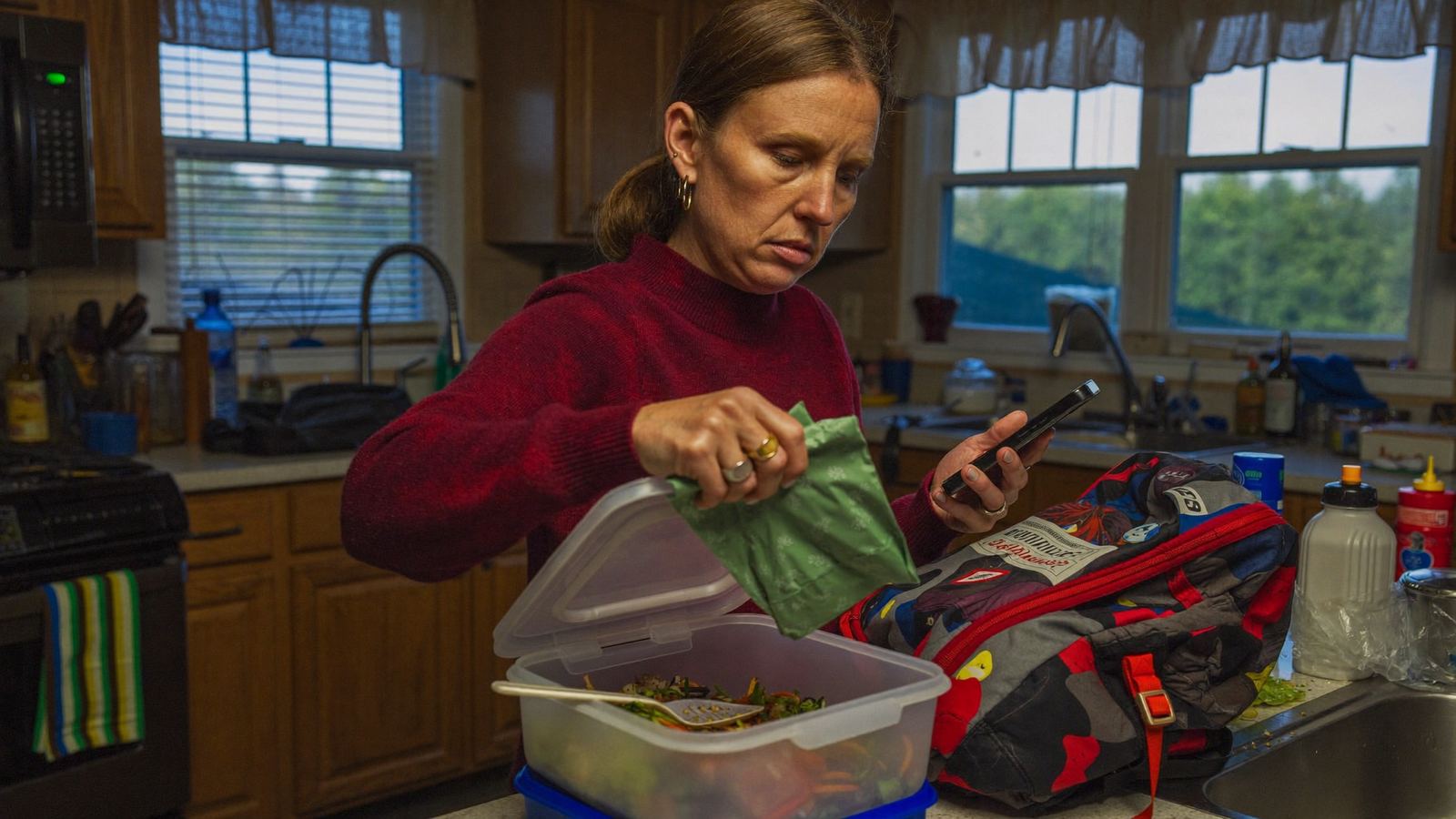
A specific pattern we encounter constantly, and one that deserves its own dedicated discussion, involves women roughly between the ages of 40 and 55 who are simultaneously raising children, often navigating the particular demands of the teenage years, while also becoming increasingly responsible for the health, logistics, and sometimes finances of aging parents. Demographers call this the sandwich generation, and it describes a remarkably large share of the women who come to us for care.
What makes this pattern especially relevant to HPA-axis dysfunction is not simply the volume of responsibility, though that matters, but the specific quality of the stress it produces: unpredictable, open-ended, and largely outside the woman's direct control. A demanding but predictable job, however tiring, allows some degree of planning and mental preparation. A parent's unexpected fall, a sudden hospitalization, a confusing new diagnosis that requires coordinating between multiple specialists, layered on top of a teenager's school crisis or a younger child's illness, produces exactly the kind of chronic, unpredictable psychosocial load that the research literature most consistently links to allostatic overload and HPA-axis dysregulation.
The research on caregiving stress specifically, separate from general life stress, reinforces just how physiologically significant this load actually is. A landmark study published in the Proceedings of the National Academy of Sciences by Epel, Blackburn, and colleagues examined women caring for a chronically ill child and found that both the perceived intensity and the duration of caregiving stress correlated with shorter telomeres, the protective caps on the ends of chromosomes that shorten with cellular aging, along with higher oxidative stress and lower telomerase activity. In practical terms, the study found a measurable biological aging signature associated specifically with chronic caregiving stress, above and beyond ordinary life stress. We reference this not to alarm you, but to validate something many sandwich generation patients already sense intuitively: this particular kind of stress is not "in your head," and it leaves a real, measurable physiological mark.
We also see a specific guilt pattern in this population that is worth naming directly: many sandwich generation women describe feeling that their own health concerns are simply not allowed to take priority, that there is always someone else, a child, a parent, a spouse, whose needs come first, and that addressing their own exhaustion feels almost self-indulgent by comparison. We want to be direct about this: your health is not the last item on the list to address once everyone else is taken care of. A woman running on a severely dysregulated stress response is, practically speaking, less able to sustain the caregiving her family depends on, not more. Addressing your own physiology is not a diversion from caring for your family. It is part of how you remain capable of doing so.
18. The High-Achieving Professional Pattern

A second recognizable pattern involves women in demanding professional roles, executives, physicians, attorneys, educators, small business owners, and healthcare workers among the most common, who have built careers on precisely the traits that make HPA-axis dysfunction harder to recognize until it becomes severe: high conscientiousness, strong performance under pressure, and a deeply ingrained habit of pushing through discomfort rather than acknowledging it.
These women often present differently than the classic "burned out and barely functioning" stereotype might suggest. On the surface, everything looks fine, sometimes impressively so. Performance reviews remain strong. Deadlines are met. The household runs. Underneath, however, the wired pattern described in Section 8 is often running at full intensity: racing thoughts at night, a low-grade sense of dread that arrives before the first email is even opened, and a capacity for stress tolerance that has been slowly eroding for years even as external output remains high.
This is one of the more dangerous presentations clinically, precisely because it does not trigger the same alarm bells, in the patient or in a rushed medical visit, that more visibly impaired functioning would. A woman who is still performing at a high level professionally is unlikely to be told by a physician that she looks unwell, and is often reluctant to bring up symptoms that feel, to her, like complaining about a life that objectively looks successful from the outside. By the time the wired pattern progresses into the flatlined pattern, often after years of unaddressed strain, the symptoms become undeniable, but a great deal of accumulated allostatic load could have been addressed far earlier had the pattern been recognized sooner.
It is worth distinguishing this from, while also connecting it to, the concept of occupational burnout as defined in the organizational psychology literature. Christina Maslach and Susan Jackson's foundational work established burnout as a syndrome with three specific dimensions: emotional exhaustion, depersonalization or cynicism toward one's work, and a diminished sense of personal accomplishment. That framework describes a psychological and occupational experience. What we are describing throughout this article is the physiological substrate underneath it. The two are related but not identical: a woman can score high on emotional exhaustion using a standard burnout inventory while an HPA-axis evaluation reveals precisely which cortisol pattern, wired, wired-and-tired, or flatlined, is driving that exhaustion at a biological level. Addressing the occupational and psychological dimensions of burnout, workload, autonomy, values alignment with an employer, matters. Addressing the physiological dimension underneath it, which occupational interventions alone rarely touch, is where a comprehensive evaluation adds something a workplace wellness program typically cannot.
The scale of this problem in healthcare specifically is well documented and worth mentioning, since a significant share of our patients work in medicine, nursing, and allied health fields across Michigan and Wisconsin's many hospital systems and clinics. A systematic review and meta-analysis published in The Lancet by West, Dyrbye, Erwin, and Shanafelt examined interventions for physician burnout and described it as having reached epidemic levels within the profession, with documented downstream effects on patient care quality, physician safety, and the broader viability of the health systems these women work within. The review found that both individual-focused interventions and structural, organizational changes produced clinically meaningful reductions in burnout, reinforcing a point we make throughout this guide: addressing the individual physiological picture, the focus of this article, works best in tandem with, not as a replacement for, addressing the systemic workload and structural pressures driving the exposure in the first place.
It is also worth naming something we hear often but that rarely makes it into a clinical visit: children notice. Patients describe, with visible discomfort, a shorter temper with their kids than they would like, less patience for ordinary childhood chaos, or simply less energy left over for the parts of parenting that used to bring them joy. This is not a character flaw, and it is not a reason for additional guilt on top of an already heavy load. It is one more data point suggesting that a dysregulated stress response is affecting more of your life than you may have initially connected to it, and one more reason addressing it benefits not just you, but the people who depend on you.
If this description resonates, we want to name something directly: needing support does not contradict being capable. The women we see in this pattern are, almost without exception, deeply competent people who have simply been running a demanding system without adequate recalibration for far too long. A comprehensive evaluation is not an admission of weakness. It is the same kind of proactive, data-driven approach these women already apply to every other high-stakes area of their lives, applied to their own physiology for what is often the first time.
19. Why Standard Testing Misses This Entirely
If HPA-axis dysfunction is as common and as consequential as the research suggests, a reasonable question is why it is so rarely identified in a standard medical visit. The answer lies almost entirely in what gets tested, and when.
A typical annual physical, when it includes any adrenal-related testing at all, usually orders a single morning blood cortisol level, often as part of a broader metabolic panel. As explained in Section 6, this single data point can reasonably rule in or rule out Addison's disease or Cushing's syndrome, the two structural conditions discussed in Section 5, but it cannot characterize the shape of your cortisol curve across a full day, which is precisely where functional dysregulation lives. A woman with a significantly flattened or inverted curve can have a completely "normal" single morning cortisol value, because that one moment happens to fall within range even though the overall pattern across the day is clearly abnormal.
There is also a structural, systemic reason this testing rarely happens: the standard fifteen-minute primary care visit is simply not built for the kind of extended history- taking required to recognize this symptom cluster, nor does it typically include time to order, receive, and thoroughly interpret a multi-point cortisol panel alongside a complete thyroid panel, sex hormones, and metabolic markers. This is not a criticism of individual physicians, who are almost always working within real constraints on time and visit structure. It is a structural gap that a more comprehensive model of care, of the kind we practice, is specifically designed to fill.
There is a billing reality underneath this as well, worth naming plainly. Insurance reimbursement structures for a standard office visit are built around volume, a set number of patients seen per hour, which leaves little financial incentive or practical time for the kind of hour-long intake, multi-system lab review, and dedicated results consultation described throughout this guide. This is precisely why direct-care models, including ours, exist: removing the insurance billing structure from the visit itself is what makes the additional time and testing depth possible in the first place, not an arbitrary preference for doing things differently.
The result, over and over, is a woman who is told her labs are normal, based on tests that were never capable of detecting the specific pattern she actually has, and who is left to conclude, understandably but incorrectly, that her symptoms must be primarily psychological or simply an inevitable consequence of getting older and busier. Neither conclusion is accurate, and both leave the actual, treatable physiological driver completely unaddressed.
Conditions Frequently Confused With HPA-Axis Dysfunction
Part of why this pattern goes unrecognized for so long is genuine diagnostic overlap with several other conditions. We are not suggesting these diagnoses are wrong when given, only that they are sometimes given as a final answer when a cortisol evaluation was never actually performed alongside them.
Chronic Fatigue Syndrome (Myalgic Encephalomyelitis)
Shares the hallmark symptom of profound, unrefreshing fatigue and post-exertional malaise. HPA-axis testing is a reasonable part of a thorough chronic fatigue workup, since a meaningful subset of patients diagnosed with chronic fatigue syndrome also show measurable cortisol curve abnormalities that, when addressed, provide partial symptomatic relief even though they do not represent the entire condition.
Fibromyalgia
Characterized by widespread pain, fatigue, and sleep disruption, all of which overlap with the symptom picture described in Section 4. Central nervous system sensitization is the primary driver in fibromyalgia, but HPA-axis dysregulation frequently coexists and can amplify pain sensitivity and sleep disruption when left unaddressed.
POTS (Postural Orthostatic Tachycardia Syndrome)
Involves dizziness, a rapid heart rate on standing, and fatigue, symptoms that overlap with the lightheadedness described in Section 4. POTS is a distinct diagnosis evaluated with a tilt-table test or orthostatic vital sign assessment, and deserves its own specialized cardiology or autonomic evaluation, but cortisol dysregulation can independently worsen orthostatic symptoms and is worth evaluating alongside a POTS workup rather than instead of it.
Generalized Anxiety Disorder
Shares the racing thoughts, sleep disruption, and physical tension described throughout this article. As discussed in our FAQ section, we consider both possibilities together rather than assuming a purely psychiatric explanation without ever evaluating the physiological stress-response system underneath it.
The point of this comparison is not to suggest that HPA-axis dysfunction explains every case of any of these conditions. It clearly does not. The point is that a woman carrying one of these diagnoses, without ever having had a comprehensive cortisol evaluation, has not yet received the complete workup she deserves, and addressing an overlooked cortisol pattern alongside her existing diagnosis and treatment plan frequently improves her overall quality of life even when it does not replace her other diagnosis entirely.
20. The Complete Functional Testing Panel
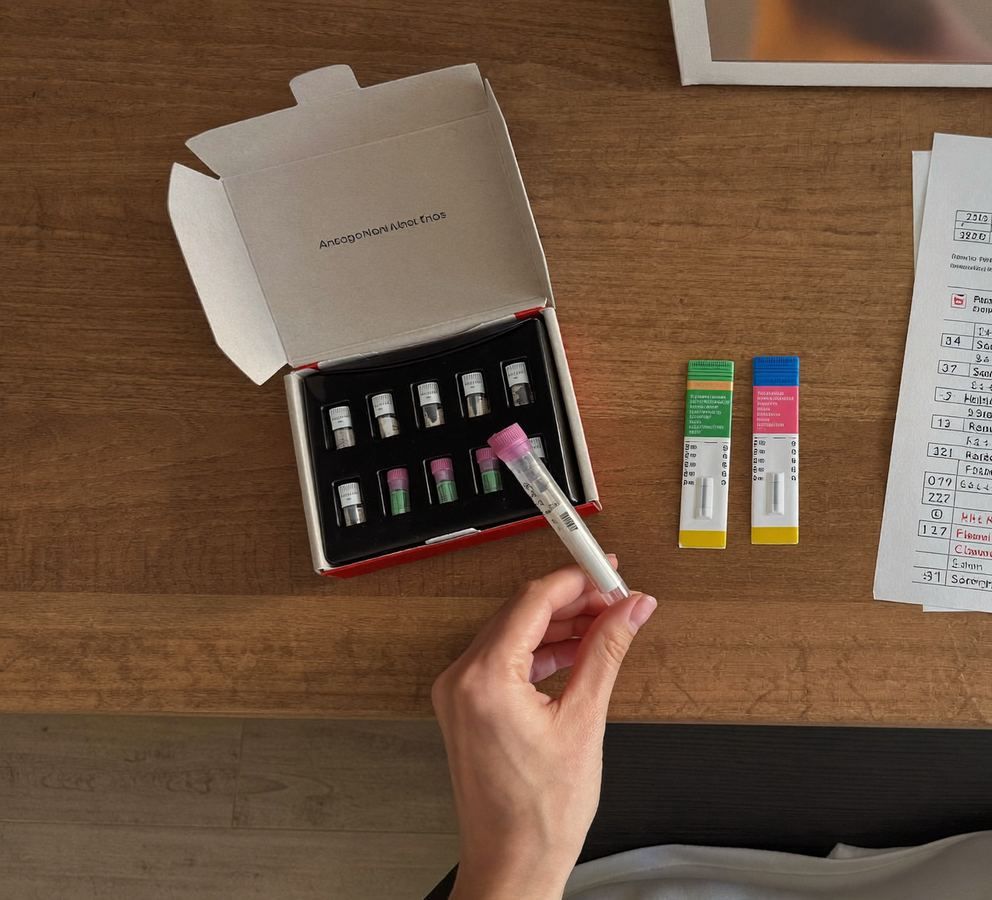
A genuinely comprehensive evaluation for suspected HPA-axis dysfunction goes well beyond a single cortisol number. Here is what we actually order, and why each component matters:
Four-point or five-point salivary cortisol testing, or a DUTCH (Dried Urine Test for Comprehensive Hormones) panel
Samples are collected at specific times, typically upon waking, mid-morning, afternoon, and bedtime, to map the actual shape of your cortisol curve rather than a single point on it. The DUTCH test additionally measures cortisol metabolites, which capture total cortisol production and clearance over 24 hours, providing a more complete picture than salivary testing alone.
DHEA-S (dehydroepiandrosterone sulfate)
Produced by the same adrenal cortex that produces cortisol, DHEA-S serves as a useful counterbalance marker. A low cortisol-to-DHEA-S ratio, or a DHEA-S level that is low relative to age-adjusted norms, can provide additional information about how long a stress response has been sustained and how the adrenal glands are managing the overall demand placed on them.
Complete thyroid panel
TSH, Free T4, Free T3, Reverse T3, and thyroid antibodies, given the direct interaction between cortisol and thyroid hormone conversion described in Section 11.
Comprehensive sex hormone panel
Estradiol, progesterone, and testosterone, interpreted relative to your age and reproductive stage, given the substantial overlap with perimenopause discussed in Section 10.
Fasting insulin and glucose, HbA1c
To evaluate the blood sugar dysregulation described in Section 12, which so frequently accompanies cortisol dysfunction and directly drives the middle-of-the- night wakeups described in Section 13.
Inflammatory markers
hs-CRP and, in select cases, homocysteine, to evaluate the inflammatory dimension of allostatic load described in Section 15 and its bidirectional relationship with gut health discussed in Section 14.
Key nutrients: ferritin, vitamin D, B12, RBC magnesium, zinc
Several of these nutrients are directly involved in HPA-axis regulation and stress resilience, particularly magnesium, discussed further in Section 26, and low levels of any of them can independently mimic or worsen the fatigue and anxiety symptoms central to this condition.
Blood pressure and basic cardiovascular screening
Given cortisol's direct role in blood pressure regulation and the metabolic syndrome risk described in Section 15, we track blood pressure at each visit as a simple, practical marker of overall allostatic load and cardiovascular risk, alongside the lab-based markers above.
Labs are drawn conveniently through Rupa Health at a local Quest or Labcorp draw station near you in Michigan or Wisconsin, or completed at home for the salivary and urinary cortisol components. Full details on our testing and program pricing are available on our services and scheduling page.
Salivary Testing vs. the DUTCH Test: Which Do We Use, and Why
Patients frequently ask why we sometimes choose a salivary cortisol panel and other times choose a DUTCH test, so it is worth explaining the practical difference. Salivary testing measures free, active cortisol at each collection point and is generally less expensive, making it a reasonable first-line option for a woman who primarily wants to understand the basic shape of her daily curve.
The DUTCH test goes further, measuring cortisol metabolites in addition to free cortisol, which captures total daily cortisol production and clearance, along with a fuller sex hormone metabolite profile and, in the DUTCH Plus version, the cortisol awakening response using a specific set of waking samples. We tend to recommend the DUTCH test for women with a more complex presentation, particularly when perimenopause, as discussed in Section 10, or significant gut symptoms, as discussed in Section 14, are part of the picture, since it provides a more complete metabolic and hormonal snapshot in a single collection.
On logistics: salivary and DUTCH testing kits are shipped directly to your home in Michigan or Wisconsin with clear, simple collection instructions, no fasting or blood draw required for these components. Turnaround time is typically ten to fourteen days once the completed kit is mailed back to the lab. Blood-based components of your panel, including thyroid, sex hormones, fasting insulin, and inflammatory markers, are drawn at a local Quest or Labcorp location near you, with most patients able to find a draw site within a short drive even in more rural parts of both states.
A Word About Consumer Cortisol Kits Sold Directly Online
Given how much attention cortisol has received in recent wellness media, you have likely seen inexpensive, direct-to-consumer cortisol testing kits advertised on social media, often marketed with vague promises about "checking your cortisol" from a single saliva sample. We want to address these directly, since several patients have brought us results from these kits before their intake.
The core problem is rarely the underlying lab technology, which is often similar to what clinical-grade panels use, but rather the collection protocol and interpretation. A single-sample kit cannot characterize the diurnal curve described throughout this guide, which requires multiple, precisely timed collections across the day to be clinically meaningful. Many consumer kits also lack correlated DHEA-S, sex hormone, or metabolic data, meaning even an accurate single cortisol value arrives with no context to interpret it against. And critically, these kits are rarely reviewed by a clinician trained to weigh the result against your specific history, medications, and symptom pattern. A number without clinical context and without the rest of the picture described in Section 20 is of limited practical use, however accurate the raw measurement may be.
Does the Menstrual Cycle Affect When We Test?
For patients who are still cycling, we do pay attention to cycle timing, though for cortisol specifically the effect is more modest than it is for the sex hormone panel described earlier in this section. We generally avoid collecting the sex hormone components during active menstruation and instead target the appropriate window based on your individual cycle, typically the luteal phase for progesterone assessment, to get an accurate, interpretable reading rather than one confounded by the natural hormonal fluctuation of a normal cycle. For women with irregular or absent cycles, which is common in the perimenopausal patients described in Section 10, we adjust our approach accordingly and interpret results in that specific context.
21. How We Interpret Your Results
Interpreting a comprehensive cortisol panel is not simply a matter of checking whether each number falls within a printed reference range. As with the thyroid testing discussed in our earlier guide, standard laboratory reference ranges for cortisol are wide, population-based averages, not optimal, functional ranges for a woman who wants to feel genuinely well. A DHEA-S or cortisol value that sits at the extreme low or high end of "normal" can still be functionally significant.
We look first at the overall shape of the curve across the day: is the morning peak present and appropriately sized, does the decline through the day follow a healthy slope, and does the evening value fall low enough to permit good sleep. We then compare that shape against the three archetypal patterns described in Section 8, recognizing that most real patients show some blend rather than a textbook-pure version of any one pattern.
We also interpret cortisol in the context of everything else on the panel, not in isolation. A blunted cortisol curve alongside low DHEA-S and elevated inflammatory markers tells a different clinical story, and points toward a different treatment emphasis, than the same blunted cortisol curve alongside normal DHEA-S but significant insulin resistance. This is exactly why we build protocols around the complete picture described in Section 20 rather than reacting to a single flagged value.
Finally, we interpret your labs alongside your actual lived symptoms and history, not instead of them. Two women can show remarkably similar cortisol curves and require meaningfully different protocols because one is two years into caring for a parent with dementia while working full time, and the other is recovering from a recent acute illness on top of a demanding job. The lab data tells us what is happening physiologically. Your history tells us why, and the why matters enormously for building a plan you can actually sustain.
A Worked Example: Reading an Actual Cortisol Curve
To make this concrete, consider a simplified version of a real DUTCH panel pattern we see often. A healthy reference curve looks roughly like this across four collection points: waking, 13 nmol/L; mid-morning, 8 nmol/L; afternoon, 4 nmol/L; and night, 1.5 nmol/L, a smooth, steady decline of roughly 90 percent from morning to night.
Now compare that to a pattern we see frequently in the "wired-and-tired" archetype described in Section 8: waking, 5 nmol/L, well below the healthy reference; mid-morning, 4 nmol/L; afternoon, 4 nmol/L; and night, 6 nmol/L, actually rising rather than falling. The total daily cortisol production might even fall within a broadly "normal" summed range, which is exactly why a single total-cortisol number can mislead. It is the shape, a blunted morning rise and a paradoxical evening increase, that tells the real clinical story and directly explains why this woman feels exhausted all day and wide awake at midnight.
We walk through your own actual numbers, plotted against both the standard reference range and the pattern archetypes described in Section 8, during your dedicated results review, so you leave that appointment understanding your own curve as clearly as the example above.
What If My Comprehensive Panel Comes Back Essentially Normal?
This happens, and it is genuinely useful information rather than a dead end. A small number of patients who come to us with the symptom cluster described in Section 4 show a comprehensive panel that falls within a healthy functional range across cortisol, thyroid, sex hormones, and metabolic markers alike. When this occurs, it appropriately redirects the investigation rather than ending it: toward other contributors we have not yet fully evaluated, such as sleep apnea, iron studies beyond ferritin alone, celiac disease or other malabsorption, or a mental health condition that would benefit from dedicated psychiatric evaluation and treatment. A normal comprehensive panel is a meaningfully different, and far more useful, starting point than a single normal TSH or basic metabolic panel, because it has actually ruled out the systems most likely to be involved, narrowing rather than abandoning the search for an explanation.
Medications That Can Affect Cortisol Testing and Interpretation
A thorough medication review is a required part of interpreting any cortisol panel accurately, since several common medications can raise or lower measured cortisol independent of your underlying HPA-axis status. Any corticosteroid medication, including inhaled steroids for asthma, topical steroid creams used regularly, and oral steroids prescribed for an unrelated condition, can suppress your own natural cortisol production and produce a falsely low result that reflects the medication rather than primary HPA-axis dysfunction. Certain antidepressant classes, particularly SSRIs, have been shown in the research literature to modestly affect HPA-axis activity, generally in a direction that improves regulation over time, which is relevant context rather than a reason for concern if you are taking one. As already discussed, hormonal birth control and hormone replacement therapy affect corticosteroid-binding globulin and therefore the free-to-total cortisol ratio. None of these medications are a reason to avoid testing. They are simply factors we account for directly when interpreting your specific results, which is precisely why a thorough medication history is part of every intake.
A Brief Word on Genetic Testing (COMT, MTHFR, and Similar Panels)
Patients occasionally ask whether they should pursue genetic testing for variants like COMT, which affects how quickly the body clears catecholamines such as adrenaline, or MTHFR, which affects folate metabolism. These variants are real and can provide interesting supporting context, a slower COMT variant, for example, may mean stress hormones clear from your system somewhat more slowly than average. However, we treat this kind of genetic information as a minor supporting detail rather than a primary diagnostic tool, since gene variants describe a predisposition, not a current physiological state, and they cannot substitute for the actual functional testing described in Section 20, which measures what your body is doing right now rather than what it might theoretically be inclined to do.
22. The Root-Cause Treatment Framework
Once we understand your specific cortisol pattern and the broader physiological context surrounding it, treatment is built around four interconnected pillars. None of these pillars works particularly well in isolation. They are designed to reinforce one another, which is why a scattered approach, a supplement here, a meditation app there, often produces disappointing results compared to a coordinated protocol addressing all four simultaneously.
1. Nutrition and Blood Sugar Stability
Stabilizing blood glucose removes one of the most common daily triggers for compensatory cortisol surges, particularly the overnight wakeups described in Section 13. Covered in full in Section 23.
2. Sleep and Circadian Repair
Rebuilding the light exposure and sleep architecture that anchors a healthy cortisol awakening response and evening decline. Covered in full in Section 24.
3. Nervous System Regulation
Directly reducing the frequency and intensity of HPA-axis activation through evidence-based practices, rather than relying on willpower to simply tolerate more stress. Covered in full in Section 25.
4. Targeted Nutraceutical and Movement Support
Evidence-based adaptogens, key nutrients, and a movement pattern matched to your specific cortisol curve rather than a generic exercise prescription. Covered in full in Sections 26 and 27.
Every protocol we build is sequenced individually based on your specific cortisol pattern, your lab results, and your real-life constraints. A single mother working two jobs in rural Wisconsin does not have the same bandwidth for a protocol as an executive with more schedule flexibility in a Detroit suburb, and an effective plan has to be built around the life you actually have, not an idealized version of it. This is a central part of what the initial discovery call and intake process are designed to establish before any protocol is finalized.
It is also worth naming the order in which we typically prioritize these four pillars, since attempting all of them at maximum intensity simultaneously is rarely sustainable and can itself become one more source of stress. For most patients, we begin with nutrition and blood sugar stability, since it tends to produce the fastest, most tangible improvement and requires no new equipment or significant time investment beyond how meals are already being prepared. Sleep and circadian strategies follow closely behind, often introduced in the same first few weeks. Nervous system regulation practices and targeted supplementation are typically layered in over the following month, once the nutritional and sleep foundation is reasonably established, followed by the gradual movement recalibration described in Section 27 as energy and cortisol patterns begin to improve. This sequencing is a general starting framework, not a rigid rule, and we adjust it based on your specific pattern, your results, and what is realistic given everything else already on your plate.
23. Nutrition and Blood Sugar Stability
Because blood sugar swings so directly trigger compensatory cortisol release, as described in Section 12, stabilizing glucose is often the single highest-leverage nutritional change we make with a new patient, and frequently the one that produces the fastest noticeable improvement in sleep quality.
In practice, this means structuring meals around a consistent foundation of protein, fiber, and healthy fat at every meal, rather than starting the day with something carbohydrate-heavy and low in protein, which produces a rapid glucose spike followed by a reactive drop several hours later, precisely the kind of drop that can trigger a compensatory cortisol surge. We generally recommend a minimum of 25 to 30 grams of protein at breakfast specifically, since breakfast composition has an outsized effect on blood sugar stability for the rest of the day.
We also pay close attention to the timing and composition of the evening meal, given its direct relationship to the overnight wakeups described in Section 13. A dinner that is too light, too low in protein and fat, or eaten too far before bedtime can leave blood glucose vulnerable to an overnight drop precisely during the hours cortisol should be at its lowest. A small protein-containing snack before bed, something as simple as a handful of nuts or a hard-boiled egg, is a remarkably effective, low-cost intervention for many women in the wired-and-tired pattern described in Section 8.
Caffeine deserves specific mention. For a nervous system already running in a wired pattern, caffeine, particularly after midmorning, can compound the very over-activation driving your symptoms, even though it feels, in the moment, like the only thing keeping you functional. We do not typically ask patients to eliminate caffeine entirely and immediately, which is rarely sustainable and can itself be a stressor, but we do work toward a lower total intake, an earlier cutoff time, and pairing any caffeine with food rather than consuming it on an empty stomach, which blunts its impact on cortisol and blood sugar.
Alcohol is worth addressing honestly as well. Many women use a glass of wine in the evening specifically to counteract the wired, on-edge feeling described throughout this article, and in the short term, alcohol does have a sedating effect. However, as alcohol is metabolized overnight, it produces a rebound increase in cortisol and a corresponding disruption of deep sleep, often several hours after consumption, which is a significant contributor to the exact overnight wakeup pattern many women are drinking to avoid in the first place.
What a Blood-Sugar-Stable Day Actually Looks Like
This is not a rigid meal plan, since individual needs vary considerably, but it illustrates the pattern we are working toward with most patients in the early weeks of a protocol:
- Breakfast, within an hour of waking: eggs or a protein smoothie with a full scoop of protein powder, alongside healthy fat like avocado or nut butter, rather than cereal, toast, or fruit alone.
- Mid-morning, if needed: a small handful of nuts or a hard-boiled egg rather than a coffee refill on an empty stomach.
- Lunch: a palm-sized portion of protein, a generous serving of non-starchy vegetables, and a source of fiber-rich carbohydrate such as beans, lentils, or a modest portion of whole grain, rather than a salad with minimal protein or a sandwich built mostly around refined bread.
- Mid-afternoon, around the 2:00 to 4:00 p.m. crash window: another small protein-and-fat pairing rather than reaching for something sugary, which tends to produce a sharper subsequent crash.
- Dinner: similar structure to lunch, eaten early enough to allow digestion before bed, with adequate protein and fat to support stable blood sugar through the night.
- Before bed, if you have a history of overnight wakeups: a small protein-containing snack, such as a few spoonfuls of Greek yogurt or a handful of nuts, to buffer against the early-morning glucose drop described above.
Why We Do Not Recommend Aggressive Fasting During Active Recovery
Intermittent fasting has real, well-documented metabolic benefits for many people, and we are not opposed to it as a general strategy. But for a woman actively recovering from significant HPA-axis dysregulation, particularly the wired or wired-and-tired patterns described in Section 8, an extended overnight or morning fasting window can function as an additional physiological stressor precisely when the goal is reducing overall cortisol activation, not adding to it. Skipping breakfast, in particular, removes exactly the intervention, an early, protein-rich meal, most likely to stabilize the blood sugar swings driving your overnight wakeups and afternoon crashes.
We generally ask patients to set aside aggressive fasting protocols for the first several months of active recovery, revisiting the question once repeat testing shows meaningful cortisol curve normalization. This is one of the more common pieces of well-intentioned health advice we ask patients to temporarily set aside, and one of the ones that produces the most noticeable, immediate improvement in sleep and energy once implemented.
Hydration, Sodium, and a Less-Discussed Piece of the Puzzle
One frequently overlooked detail involves aldosterone, a hormone produced alongside cortisol in the adrenal cortex that regulates sodium and fluid balance. Under chronic HPA-axis activation, the relationship between cortisol and aldosterone can shift in ways that affect how well your body retains sodium and manages fluid balance, and a subset of our patients describe symptoms of mild orthostatic intolerance, lightheadedness on standing, salt cravings, or a general sense of fluid dysregulation that overlaps with fatigue rather than existing as an obviously separate issue. For these patients, ensuring adequate sodium intake, particularly earlier in the day rather than exclusively in the evening, and maintaining genuinely adequate hydration, roughly half your body weight in ounces of water daily as a starting reference point, adjusted for activity and climate, is a simple, low-cost addition that meaningfully helps a specific subset of the population described throughout this guide.
24. Sleep and Circadian Repair

Given the central role of morning light exposure in anchoring a healthy cortisol awakening response, discussed in Sections 6 and 16, rebuilding a consistent morning light routine is one of the most impactful, and most underused, interventions available, particularly for women in Michigan and Wisconsin navigating our long winters.
We generally recommend ten to twenty minutes of outdoor light exposure within the first hour of waking whenever possible, even on overcast days, since outdoor light on a cloudy day is still dramatically brighter than typical indoor lighting. During the darkest winter months, roughly November through February in most of Michigan and Wisconsin, a 10,000-lux light therapy box used for twenty to thirty minutes shortly after waking is a well-studied, practical substitute that several of our patients have incorporated with meaningful results, particularly those in the far northern parts of both states where natural morning light is minimal for months at a time.
On the other end of the day, reducing bright light and blue light exposure in the two hours before bed helps protect the melatonin rise that should be happening as cortisol declines. This does not require eliminating screens entirely, which is unrealistic for most working women, but dimming overhead lights, using warmer color temperatures in the evening, and stepping away from screens for the final thirty minutes before sleep all meaningfully support the transition.
Consistency in wake time, more than bedtime specifically, is the single strongest lever for stabilizing circadian rhythm. Sleeping in significantly on weekends, a pattern sometimes called social jet lag, effectively shifts your internal clock by several time zones' worth of disruption every week, which directly undermines the cortisol curve recalibration this entire protocol is working to achieve. We ask patients to hold a wake time within roughly the same 30 to 60 minute window every day, weekends included, for at least the first several months of a recovery protocol.
A Note for Shift Workers and Rotating Schedules
A meaningful share of the women we see across Michigan and Wisconsin work rotating or overnight shifts, particularly in healthcare, manufacturing, and logistics roles common throughout both states. If this describes you, we want to acknowledge directly that the standard circadian advice above, anchor your wake time, get morning light, is built around a daytime schedule and does not translate cleanly to shift work.
For night-shift and rotating-shift patients, we adapt the same underlying principles rather than abandoning them: treating whatever block of sleep functions as your primary sleep period as the one to protect most consistently, using bright light exposure, whether natural or a light therapy device, at the start of your "day" regardless of the actual clock time, and using blackout curtains and blue-light-blocking glasses in the hours before your primary sleep period to protect melatonin release even when that period falls during daylight hours. Blood sugar stability, discussed in Section 23, becomes even more important for shift workers, since irregular meal timing around rotating shifts is itself an additional, independent stressor on an already taxed circadian and cortisol system. We do not pretend shift work and optimal circadian health are fully compatible, but a thoughtful, individualized approach can meaningfully reduce the additional burden it places on an already dysregulated HPA axis.
25. Nervous System Regulation That Actually Works
"Manage your stress" is technically accurate advice that is almost useless in practice without specifics, and it is often the only guidance women receive before being sent home with normal labs. We prefer to be concrete about which nervous system regulation practices have genuine evidence behind them for reducing HPA-axis activation, as opposed to those that are simply pleasant but unproven.
Slow, extended-exhale breathing, sometimes called physiological sighing or paced breathing, directly stimulates the vagus nerve and shifts the autonomic nervous system toward a parasympathetic, rest-and-digest state, measurably lowering both heart rate and circulating cortisol within minutes. A practical starting protocol is inhaling for a count of four, holding briefly, and exhaling for a count of six to eight, repeated for five minutes, which can be done at a desk, in a parked car, or before bed with no special equipment required.
For patients who want a more structured, measurable approach to the same underlying mechanism, heart rate variability biofeedback is worth understanding. Heart rate variability, the natural variation in time between successive heartbeats, is a well-established marker of autonomic nervous system flexibility, with higher variability generally reflecting better parasympathetic tone and stress resilience. A comprehensive review published in Frontiers in Psychology by Lehrer and Gevirtz examined the mechanisms behind heart rate variability biofeedback, a technique using real-time feedback, often through an inexpensive chest strap or finger sensor paired with a smartphone app, to train paced breathing at a rate that maximizes heart rate variability, typically around six breaths per minute. The review found meaningful evidence for this technique across a range of stress-related conditions, with proposed mechanisms including strengthened baroreceptor reflex function and improved vagal signaling to frontal cortical brain regions involved in emotional regulation. Several of our patients have found a consumer-grade heart rate variability biofeedback device a useful, objective way to track their own nervous system regulation progress over time, alongside the repeat cortisol testing described in Section 20.
Regular, moderate-intensity time in nature has consistently demonstrated measurable reductions in cortisol across multiple studies, an effect sometimes attributed in part to the combination of physical movement, natural light exposure, and reduced sensory and cognitive load compared to an indoor, screen-heavy environment. For women in Michigan and Wisconsin, this is a genuinely accessible resource for much of the year, whether that means a walk along Lake Michigan, a Wisconsin state park trail, or simply a quiet neighborhood loop before the day starts, and it pairs directly with the morning light strategy discussed in the previous section.
The research behind this is more rigorous than "getting outside is nice" might suggest. Park, Tsunetsugu, Kasetani, and colleagues conducted a series of field experiments across twenty-four forests in Japan, published in Environmental Health and Preventive Medicine, comparing salivary cortisol and other physiological measures between participants who walked through forest settings and those who walked through urban settings. Forest walking produced significantly lower cortisol concentrations than urban walking across the study sites. You do not need a Japanese forest to benefit from this effect. A walk along a wooded Michigan trail, a Wisconsin county park, or even a tree-lined neighborhood street appears to draw on the same basic physiological mechanism, and it costs nothing beyond the time itself.
Boundary-setting, while not a physiological technique in the traditional sense, deserves inclusion here because chronic, unaddressed interpersonal or workload stress is one of the most common ongoing sources of HPA-axis activation we see, and no amount of breathing exercises will fully offset a schedule or set of obligations that consistently exceeds your actual capacity. Part of our clinical work involves helping patients identify specific, concrete places where reducing input, delegating a task, declining a commitment, asking for help with a caregiving responsibility, would meaningfully lower their overall allostatic load, which is often a harder and more honest conversation than any supplement recommendation.
Having the Conversation: Practical Scripts for Work and Home
Many patients tell us they understand the concept of setting boundaries but genuinely do not know what to say in the moment. A few starting scripts we have found useful:
- To a manager: "I want to give this project the quality it deserves. To do that well by Friday, I'd need to move X off my plate this week, or I'll need until Tuesday. Which works better?"
- To a spouse or partner: "I am at capacity this week in a way that is affecting my sleep and health. Can we look at the calendar together and figure out what can move or what you can take off my list?"
- To a sibling, regarding a parent's care: "I've been handling most of Dad's appointments and calls. I need us to split this differently going forward so it isn't sustainably falling on one person."
- To yourself, when guilt shows up: "Addressing my own health is not optional maintenance. It is what allows me to keep showing up for the people who depend on me."
Finally, for women whose symptom severity or history includes significant trauma, we often recommend working alongside a qualified mental health professional in addition to the physiological protocol described here. Nervous system dysregulation and mental health are deeply intertwined, and addressing the physiological side of the equation works best as a complement to, not a replacement for, appropriate psychological support when that support is indicated.
26. Evidence-Based Adaptogens and Nutraceuticals
The supplement market for "adrenal support" is enormous, poorly regulated, and full of products with little to no clinical evidence behind them. We take a deliberately narrow approach, recommending only compounds with genuine, published research support, dosed appropriately, and selected based on your specific cortisol pattern rather than applied generically to everyone.
Ashwagandha (Withania somnifera)
A randomized, double-blind, placebo-controlled study published in the Indian Journal of Psychological Medicine (Chandrasekhar, Kapoor, and Anishetty, 2012) found that a standardized, high-concentration ashwagandha root extract taken twice daily for sixty days significantly reduced serum cortisol and self-reported stress and anxiety scores compared to placebo. We most often consider ashwagandha for patients showing the "wired" pattern described in Section 8, where the goal is calming an overactive stress response.
Rhodiola rosea
A comprehensive review in Current Clinical Pharmacology (Panossian and Wikman, 2009) identified strong evidence specifically for the standardized SHR-5 extract of Rhodiola rosea in improving attention, cognitive performance, and subjective fatigue in individuals with stress-related exhaustion. We more often consider Rhodiola for the "flatlined" pattern described in Section 8, where the goal is supporting appropriate energy and resilience rather than further sedation.
Magnesium glycinate
A systematic review published in Nutrients (Boyle, Lawton, and Dye, 2017) found supportive evidence for magnesium supplementation in reducing subjective anxiety and stress, particularly in individuals with an existing vulnerability to anxiety. Magnesium also supports the enzymatic conversion pathways involved in thyroid hormone metabolism discussed in Section 11 and plays a role in blood sugar regulation relevant to Section 12.
Phosphatidylserine
Several controlled studies have found that phosphatidylserine can blunt the cortisol response to physical and psychological stress, making it a reasonable option specifically for the wired and wired-and-tired patterns, particularly when evening cortisol elevation is contributing to the sleep disruption described in Section 13.
L-Theanine
A randomized, double-blind, placebo-controlled crossover trial published in Nutrients (Hidese et al., 2019) found that 200 mg of daily L-theanine, an amino acid naturally found in green tea, significantly improved anxiety, depressive symptom scores, and sleep quality over four weeks compared to placebo, along with measurable improvements in verbal fluency and executive function. We often consider L-theanine a gentle, well-tolerated daytime option for the wired pattern, since it tends to reduce anxious arousal without causing daytime sedation.
Holy Basil (Tulsi)
A systematic review published in Evidence-Based Complementary and Alternative Medicine (Jamshidi and Cohen, 2017) evaluated 24 human studies on Ocimum sanctum, commonly known as holy basil or tulsi, and found consistently favorable outcomes for metabolic health, immune function, and psychological stress, with no significant adverse events reported across the reviewed literature. We sometimes incorporate tulsi tea or standardized extract as a low-cost, well-tolerated addition for patients who prefer a gentler daily ritual alongside their primary protocol.
A Note on Supplement Quality
The supplement industry in the United States is regulated far more loosely than pharmaceuticals, and independent testing has repeatedly found that some products on the market contain meaningfully different doses than what the label states, or contain contaminants not disclosed anywhere on the packaging. We recommend third-party-tested products specifically, looking for certification marks from organizations such as NSF International or USP, and we provide specific brand and dosing guidance as part of your protocol rather than leaving you to guess among the dozens of options on a pharmacy shelf or supplement retailer's website. This is a small detail that matters more than most patients initially realize, since an underdosed or contaminated product can mean months of a protocol that appears to be failing when the actual problem is what was in the bottle.
We want to be explicit about something important: none of these compounds "fix" the underlying cause of HPA-axis dysregulation on their own. They are supportive tools that work meaningfully better when layered onto the nutrition, sleep, and nervous system foundations described in the previous sections, not as a substitute for them. A woman who adds ashwagandha to an otherwise unchanged life of chronic overload, poor sleep, and unstable blood sugar will typically see limited, temporary benefit at best.
27. Movement: Why More Isn't Better Right Now
This is often the most counterintuitive part of the conversation for the high-achieving professional women described in Section 18, many of whom have spent years believing that harder, longer, more intense exercise is always the answer to feeling sluggish or overweight. For a woman with significant HPA-axis dysregulation, that instinct, however well-intentioned, frequently makes things measurably worse.
High-intensity exercise is itself a potent physiological stressor. It deliberately activates the same HPA axis this entire article has been describing, which is a healthy, adaptive response in someone with well-regulated cortisol physiology and adequate recovery capacity. In someone whose system is already chronically over-activated, adding another significant daily stressor, particularly intense cardio or high-intensity interval training performed in a fasted or under-fueled state, can push an already elevated or erratic cortisol curve further out of balance, which is precisely why some women report feeling more exhausted, not less, after ramping up their workout intensity in an effort to fight fatigue.
This does not mean the answer is no exercise at all. Movement remains genuinely important for insulin sensitivity, mood, and long-term metabolic health. The distinction we make clinically is between exercise that regulates the nervous system and exercise that further taxes it. For most women in the early stages of a recovery protocol, we recommend prioritizing walking, particularly the morning light-paired walks discussed in Section 24, along with resistance training performed at a moderate, sustainable intensity two to three times weekly, rather than daily high-intensity sessions.
Resistance training deserves particular emphasis because, unlike prolonged steady-state cardio, it builds lean muscle mass that improves long-term insulin sensitivity and metabolic rate without the same degree of sustained cortisol elevation, provided sessions are appropriately programmed with adequate recovery between them. As your cortisol curve normalizes over the months described in the next section, exercise tolerance and intensity can typically be built back up in a graded, individualized way, guided by how your energy, sleep, and follow-up labs are actually responding, rather than by a fixed, generic program.
A Starting Weekly Template for the Early Recovery Phase
- Daily: a 15 to 20 minute morning walk outdoors, paired with the light exposure strategy described in Section 24
- Two to three days per week: moderate-intensity resistance training, 30 to 40 minutes, with at least one full rest day between sessions targeting the same muscle groups
- One to two days per week: gentle mobility work, yoga, or stretching, which supports nervous system regulation without adding a significant cortisol load
- What to pause temporarily: daily high-intensity interval training, back-to-back intense cardio sessions without adequate recovery, and fasted high-intensity training, all of which we typically reintroduce gradually once your cortisol curve shows meaningful improvement on repeat testing
28. Four Michigan and Wisconsin Women, Four Real Journeys
The following composite case examples reflect patterns we see regularly in our practice. Identifying details have been changed to protect patient privacy, but the physiological patterns, testing findings, and outcomes accurately represent the kind of results a thorough, individualized protocol can produce.
Case One: The Grand Rapids Attorney, Age 44
Presentation: Racing thoughts every night at bedtime despite genuine exhaustion, a 2:30 a.m. wakeup nearly every night for over a year, 14 pounds of new abdominal weight gain, and a growing sense of dread each Sunday evening that she described as out of proportion to her actual workload.
Testing: DUTCH panel showed an elevated evening cortisol value with an otherwise reasonable morning peak, classic Pattern One, "Wired." Fasting insulin was elevated at 16 uIU/mL despite normal fasting glucose. Thyroid panel was essentially normal.
Protocol and outcome: We focused on evening cortisol reduction: phosphatidylserine before bed, a firm evening screen cutoff, a protein-containing bedtime snack, and a structured boundary-setting conversation with her firm about after-hours email expectations. Within eight weeks, her overnight wakeups had dropped from nightly to roughly twice weekly. By four months, her repeat DUTCH panel showed a normalized evening cortisol value, and she had lost 11 of the 14 pounds without any change to her exercise routine.
One year later: She has maintained her results and describes the biggest shift as no longer dreading Sunday evenings. She continues a lower, maintenance dose of phosphatidylserine during particularly demanding trial periods and has kept the after-hours email boundary in place with her firm.
Case Two: The Green Bay Elementary School Teacher, Age 49
Presentation: Profound afternoon exhaustion severe enough that she had begun sitting in her car for ten minutes before driving home each day, reliance on three cups of coffee just to function through morning classroom instruction, and a flat, joyless mood she described as "just going through the motions" for over a year, alongside caring for her mother, recently diagnosed with early dementia.
Testing: DUTCH panel showed a significantly blunted cortisol awakening response and low, minimally variable cortisol throughout the day, Pattern Three, "Flatlined." DHEA-S was low for her age. Vitamin D was 19 ng/mL and ferritin was 24 ng/mL.
Protocol and outcome: Given the flatlined pattern, we avoided sedating adaptogens entirely and instead focused on Rhodiola rosea, aggressive vitamin D and iron repletion, a structured morning light protocol using a 10,000-lux light box during the Wisconsin winter, and connecting her with local caregiver support resources to reduce her overall allostatic load. By month three, her afternoon energy crash had noticeably improved, and by month six, her cortisol awakening response had returned to a healthy range on repeat testing, alongside normalized vitamin D and ferritin.
One year later: She has sustained her energy improvements through a second winter using her light box proactively starting in October rather than waiting for symptoms to return, and describes finally feeling like herself again in the classroom.
Case Three: The Milwaukee Small Business Owner, Age 38
Presentation: New-onset anxiety with no prior history, heart palpitations that had already led to a normal cardiac workup with her primary care doctor, digestive bloating after nearly every meal, and a sense that her body no longer tolerated stress the way it used to, despite her business objectively doing well.
Testing: DUTCH panel showed an inverted curve, low morning cortisol rising through the evening, Pattern Two, "Wired-and-Tired." hs-CRP was mildly elevated at 3.1 mg/L, and fasting insulin was borderline elevated.
Protocol and outcome: We prioritized blood sugar stabilization first, restructuring her meal timing and macronutrient balance, alongside daily paced-breathing practice and a switch from intense daily spin classes to walking and twice-weekly resistance training. Digestive symptoms improved within three weeks of the nutrition changes alone. By month four, her anxiety symptoms had decreased substantially, and her repeat cortisol curve had shifted meaningfully toward a healthy pattern, with a restored morning peak and an appropriately lower evening value.
One year later: Her cardiac workup has remained clear, her digestive symptoms have not returned, and she has kept resistance training as her primary exercise, occasionally reintroducing higher-intensity classes without a return of her anxiety symptoms.
Case Four: The Rural Wisconsin Farm Wife and Bookkeeper, Age 52
Presentation: Years of escalating fatigue she had attributed entirely to menopause, hot flashes, disrupted sleep, and an hour-long round trip drive for any specialist appointment that had led her to simply stop seeking further care after her primary care doctor told her repeatedly that her labs looked fine.
Testing: Comprehensive panel revealed both a significantly dysregulated cortisol curve and clearly postmenopausal sex hormone levels, along with a TSH at the higher end of the standard range with elevated TPO antibodies indicating early Hashimoto's thyroiditis.
Protocol and outcome: Telehealth access was, by her own account, the deciding factor in pursuing care at all, given her distance from any specialist. We addressed all three systems together: targeted thyroid support, bioidentical hormone therapy appropriate to her menopausal status, and the full cortisol-focused nutrition and circadian protocol described throughout this guide. Over six months, her energy, sleep, and mood all improved substantially, and she described finally understanding, for the first time in years, that her exhaustion had an explanation and a plan rather than simply being something to accept.
One year later: Her thyroid antibodies have declined on repeat testing, and she now completes her quarterly follow-up visits entirely by telehealth from her kitchen table, without the drive she once dreaded.
Case Five: The Ann Arbor Physician, Age 41
Presentation: A practicing physician who initially resisted seeking care for her own symptoms for over a year, assuming she should be able to manage them herself given her medical background. Presented with a combination of afternoon exhaustion, new perimenopausal irregular cycles, joint aches, and a subjective sense that her own clinical sharpness at work had declined, which frightened her more than any physical symptom.
Testing: This case illustrates why comprehensive, simultaneous testing matters so much. Her panel showed a mildly blunted cortisol awakening response layered on top of clearly perimenopausal estradiol and progesterone levels, alongside a TSH within standard range but Free T3 at the low end of optimal with early-stage TPO antibody elevation. No single system was dramatically abnormal on its own, which is precisely why a prior isolated TSH check, ordered a year earlier by her own primary care colleague, had been read as unremarkable.
Protocol and outcome: Because three interconnected systems were each modestly, rather than dramatically, off, we addressed all three simultaneously rather than sequentially: targeted thyroid nutrient support, a cortisol-focused sleep and nutrition protocol, and a conversation about hormone therapy timing appropriate to her early perimenopausal status. She described the cumulative effect as far greater than any single intervention would have predicted, restored mental clarity at work within ten weeks and steadier energy and mood by month four. She has since referred two colleagues from her own practice to us, which we mention not to boast, but because it illustrates how often this exact multi-system, no-single-red-flag pattern goes unrecognized, even among highly trained medical professionals evaluating their own symptoms.
29. What a Comprehensive Evaluation Looks Like

If you have read this far, you likely already suspect that your own symptoms warrant a real evaluation rather than another round of reassurance that your labs are normal. Here is what that process actually looks like with us, from first contact to protocol.
We typically begin with a free 15-minute discovery call, a low-pressure conversation to discuss your symptoms, answer your questions about our approach, and determine whether our model of care is a good fit for what you are experiencing. From there, most patients move into a 60-minute Root Cause Intake, a comprehensive clinical assessment covering your full health history, current symptoms, lifestyle, nutrition, sleep patterns, stress load, and any prior labs, conducted entirely over telehealth video from wherever you are in Michigan or Wisconsin.
Because Novaleo maintains the appropriate licensure to provide care across both states, this holds true whether you are in a Detroit suburb, a small town in the Upper Peninsula, downtown Milwaukee, or a farm outside Green Bay, addressing directly the access gap discussed in Section 16. You do not need to live near a major city or drive any distance at all for the intake, results review, or ongoing follow-up visits described below; only the blood-draw portion of testing requires an in-person stop at a local lab.
Based on that intake, we order the comprehensive testing panel described in Section 20, drawn conveniently through Rupa Health at a local Quest or Labcorp draw station, or completed at home for the salivary or urinary cortisol components. Once results are back, typically within two to three weeks, we schedule a dedicated results review to walk through your full picture together and build a personalized protocol addressing the four pillars described in Section 22.
For patients who want ongoing, structured support through the full recovery process described in the next section, our Root Cause Restoration Program provides six months of bi-monthly consultations, comprehensive biomarker tracking, and monthly strategy refinements as your body responds to treatment. Full details on each of these options, along with current pricing, are available on our services page, and a broader look at the full range of symptoms and conditions we evaluate is available on our what we treat page.
How This Differs From a Wellness App or Generic Health Coaching
It is worth being explicit about this distinction, since the wellness space has grown crowded with apps, coaches, and programs that touch on stress and cortisol without ordering or interpreting any actual lab data. Generic stress-management coaching can be genuinely valuable for building sustainable habits, and we are not dismissive of it. But it typically cannot tell you which of the three patterns described in Section 8 you actually have, cannot tell you whether your thyroid conversion or blood sugar regulation is also compromised, and has no mechanism for confirming, through objective repeat testing, whether a given intervention is actually working for your specific physiology or simply making you feel like you are doing something productive.
Our approach is built around testing before treating, individualizing the protocol to your actual cortisol pattern rather than a generic stress-reduction template, and retesting to confirm the plan is working rather than assuming it must be because enough time has passed. That is a fundamentally clinical process, delivered by a licensed nurse practitioner, not a coaching relationship, even though the day-to-day recommendations, nutrition, sleep, movement, nervous system practices, may look similar on the surface to what a wellness app might suggest.
What to Bring to Your First Visit
- Any prior lab results from the past two to three years, even if they were called "normal"
- A current list of medications and supplements, including doses
- Rough notes on your typical daily energy pattern, when you feel best and worst during the day
- A general sense of your sleep pattern, including any overnight wakeups and their approximate timing
- Any relevant family history of thyroid, autoimmune, or metabolic conditions
None of this needs to be perfectly organized. We will walk through all of it together during your intake, and simply having rough notes ahead of time helps us make the most of that first comprehensive conversation.
A Word on Cost and Value
We know direct-care functional medicine represents a real financial decision, and we do not take that lightly. Current pricing for each service, from the free discovery call through the comprehensive lab panel and the six-month Root Cause Restoration Program, is listed transparently on our services page, with no hidden fees added later. We accept HSA and FSA funds toward these costs, which meaningfully reduces the out-of-pocket burden for many patients, and we provide itemized superbills for anyone who wants to pursue out-of-network reimbursement through their insurance carrier. We would rather you make this decision with complete financial clarity upfront than discover unexpected costs partway through your care.
30. The Recovery Timeline: What to Expect
One of the most common questions we receive, understandably, is how long recovery actually takes. While every case is individual, and the answer depends heavily on how long the dysfunction has been present and how much of the underlying load can realistically be reduced, a general pattern holds across most of our patients.
It is worth being honest that longer-standing, more severe dysregulation, particularly the flatlined pattern described in Section 8 when present for several years, can take longer than six months for full normalization. Ongoing life circumstances, an ongoing caregiving responsibility, ongoing occupational demands, also shape how quickly recovery can progress. We would rather set realistic expectations from the outset than promise a faster timeline than what the physiology actually supports.
What a Plateau Means, and What We Do About It
Recovery from HPA-axis dysregulation is rarely a straight line, and most patients hit at least one plateau somewhere in the process, typically around the two to three month mark, where initial improvements level off before the next phase of progress begins. This is normal and expected, not a sign that the protocol has failed.
When a plateau happens, we do not simply add more supplements or increase existing doses. We go back to the four pillars described in Section 22 and look for the specific piece that has not yet been adequately addressed, often something outside the nutraceutical and testing realm entirely: a work situation that escalated during the protocol, a sleep schedule that quietly drifted back to old patterns, or a caregiving demand that intensified. Repeat testing at this stage, comparing your current cortisol curve against your baseline, is often the single most useful tool for identifying whether the plateau reflects a specific unaddressed stressor or simply the normal, gradual pace of deeper physiological recalibration that sometimes needs more time than the earlier, more visible improvements did.
Seasonal timing also matters for Michigan and Wisconsin patients specifically, echoing the regional factors discussed in Section 16. A patient who begins active recovery in spring or summer, when natural morning light is abundant, may see faster early progress than one starting in November, when the circadian and light-exposure piece of the protocol requires more deliberate effort, a light therapy device, and patience. This is not a reason to delay starting until a "better" season. It simply means we adjust expectations and lean more heavily on the tools available year-round, nutrition, sleep consistency, and nervous system regulation, when natural light is working against us rather than for us.
31. When Symptoms Warrant Specialized or Emergency Care
We want to close the clinical portion of this guide by repeating something raised earlier, because it deserves emphasis rather than a single mention. This article describes a functional, non-emergency pattern of stress physiology that responds well to the kind of comprehensive, root-cause approach detailed throughout. It is not a substitute for emergency or specialist evaluation when red-flag symptoms are present.
Please seek prompt in-person medical evaluation, rather than starting with a functional medicine consultation, if you experience unexplained progressive weight loss, skin darkening in creases or scars, fainting or severe lightheadedness on standing, wide purple stretch marks with rounding of the face, severe unremitting muscle weakness, chest pain, or any new palpitations that have not yet been evaluated by a physician. These symptoms warrant ruling out the structural conditions described in Section 5 before pursuing any functional protocol.
Similarly, if you are experiencing thoughts of self-harm, a mental health crisis, or symptoms of severe depression alongside the fatigue and stress symptoms described in this article, please reach out to a mental health crisis line or emergency services immediately. The 988 Suicide and Crisis Lifeline is available by call or text anywhere in the United States, including throughout Michigan and Wisconsin. Chronic stress physiology and mental health are deeply connected, but a mental health crisis always takes priority over a functional medicine evaluation, and appropriate emergency and psychiatric support should never be delayed in favor of the approach described in this guide.
32. Clinical Research and Medical Citations
The physiological principles, diagnostic frameworks, and treatment strategies presented in this guide are grounded in peer-reviewed endocrinology, psychoneuroimmunology, and functional medicine literature. For patients and clinicians seeking deeper scientific validation, key primary literature includes:
1. "Adrenal Fatigue" Has No Scientific Basis
BMC Endocrine Disorders
Cadegiani FA, Kater CE. Adrenal fatigue does not exist: a systematic review. BMC Endocr Disord. 2016;16:48. A systematic review of every available study on the concept of adrenal fatigue, concluding there is no scientific evidence supporting it as a genuine medical condition, while affirming that the underlying symptoms patients describe are real and warrant investigation of the HPA axis. View on PubMed Central.
2. Chronic Stress and the HPA Axis
The Standard, Point Institute (Stevens Point, Wisconsin)
Guilliams TG, Edwards L. Chronic stress and the HPA axis: clinical assessment and therapeutic considerations. Standard. 2010;9(2). A widely cited clinical monograph detailing the mechanisms of HPA-axis dysregulation under chronic stress and the framework for functional assessment used throughout this guide. View publication.
3. Allostatic Load and Cumulative Stress Biomarkers
Neuroscience & Biobehavioral Reviews
Juster RP, McEwen BS, Lupien SJ. Allostatic load biomarkers of chronic stress and impact on health and cognition. Neurosci Biobehav Rev. 2010;35(1):2-16. Established the allostatic load framework demonstrating that cumulative, multi-system stress biomarkers predict morbidity and cognitive decline more accurately than any single marker in isolation. View on PubMed.
4. Cortisol Reactivity and Central Fat Distribution
Psychosomatic Medicine
Epel ES, McEwen B, Seeman T, et al. Stress and body shape: stress-induced cortisol secretion is consistently greater among women with central fat. Psychosom Med. 2000;62(5):623-632. Demonstrated that women with higher waist-to-hip ratios show significantly greater cortisol reactivity to stress and fail to habituate to repeated stressors compared to women with lower waist-to-hip ratios. View on PubMed.
5. Diurnal Cortisol Slopes and Health Outcomes
Psychoneuroendocrinology
Adam EK, Quinn ME, Tavernier R, McQuillan MT, Dahlke KA, Gilbert KE. Diurnal cortisol slopes and mental and physical health outcomes: a systematic review and meta-analysis. Psychoneuroendocrinology. 2017;83:25-41. A large-scale meta-analysis finding that flatter diurnal cortisol slopes were significantly associated with worse outcomes across ten of twelve health domains studied. View on PubMed.
6. Ashwagandha and Cortisol Reduction
Indian Journal of Psychological Medicine
Chandrasekhar K, Kapoor J, Anishetty S. A prospective, randomized double-blind, placebo-controlled study of safety and efficacy of a high-concentration full-spectrum extract of ashwagandha root in reducing stress and anxiety in adults. Indian J Psychol Med. 2012;34(3):255-262. A randomized controlled trial finding significant reductions in serum cortisol and self-reported stress with standardized ashwagandha extract compared to placebo. View on PubMed.
7. Evidence-Based Efficacy of Adaptogens in Fatigue
Current Clinical Pharmacology
Panossian A, Wikman G. Evidence-based efficacy of adaptogens in fatigue, and molecular mechanisms related to their stress-protective activity. Curr Clin Pharmacol. 2009;4(3):198-219. A comprehensive review identifying strong clinical evidence for Rhodiola rosea extract SHR-5 in fatigue and cognitive performance under stress. View on PubMed.
8. Magnesium Supplementation for Anxiety and Stress
Nutrients
Boyle NB, Lawton C, Dye L. The effects of magnesium supplementation on subjective anxiety and stress: a systematic review. Nutrients. 2017;9(5):429. A systematic review finding supportive evidence for magnesium supplementation in reducing subjective anxiety, particularly in populations with existing vulnerability to anxiety. View on PubMed Central.
9. Cortisol Shifts During the Menopausal Transition
Menopause
Woods NF, Mitchell ES, Smith-Dijulio K. Cortisol levels during the menopausal transition and early postmenopause: observations from the Seattle Midlife Women's Health Study. Menopause. 2009;16(4):708-718. Documented measurable shifts in cortisol patterns as women progress through the menopausal transition, correlated with stress, symptoms, and health status. View publication.
10. Sunlight, Season, and Brain Serotonin Turnover
The Lancet
Lambert GW, Reid C, Kaye DM, Jennings GL, Esler MD. Effect of sunlight and season on serotonin turnover in the brain. Lancet. 2002;360(9348):1840-1842. Found that brain serotonin turnover is directly related to the duration of bright sunlight and is lowest in winter months, a mechanism relevant to the seasonal light-exposure factors discussed throughout this guide. View on PubMed.
11. Caregiving Stress and Cellular Aging
Proceedings of the National Academy of Sciences
Epel ES, Blackburn EH, Lin J, et al. Accelerated telomere shortening in response to life stress. Proc Natl Acad Sci U S A. 2004;101(49):17312-17315. Found that the perceived intensity and duration of caregiving stress correlated with shorter telomeres, higher oxidative stress, and lower telomerase activity in healthy premenopausal women. View on PNAS.
12. The Maslach Burnout Inventory Framework
Journal of Occupational Behavior
Maslach C, Jackson SE. The measurement of experienced burnout. J Occup Behav. 1981;2(2):99-113. Established the foundational three-dimension model of occupational burnout, emotional exhaustion, depersonalization, and reduced personal accomplishment, still used in workplace burnout research today.
13. HPA-Axis Involvement in Autoimmune Rheumatic Disease
Arthritis & Rheumatism
Straub RH, Cutolo M. Involvement of the hypothalamic-pituitary-adrenal/gonadal axis and the peripheral nervous system in rheumatoid arthritis: viewpoint based on a systemic pathogenetic role. Arthritis Rheum. 2001;44(3):493-507. Documented that HPA-axis cortisol output is frequently inappropriately low relative to the degree of inflammation present in autoimmune rheumatic disease, describing a bidirectional relationship between the stress axis and autoimmune activity. View on PubMed.
14. Sex Differences in Stress-Response Neurobiology
Frontiers in Neuroendocrinology
Bangasser DA, Valentino RJ. Sex differences in stress-related psychiatric disorders: neurobiological perspectives. Front Neuroendocrinol. 2014;35(3):303-319. A comprehensive review describing sex differences in corticotropin-releasing factor receptor signaling and trafficking that may underlie greater female vulnerability to stress-related psychiatric conditions. View on PubMed.
15. L-Theanine for Stress-Related Symptoms
Nutrients
Hidese S, Ogawa S, Ota M, et al. Effects of L-theanine administration on stress-related symptoms and cognitive functions in healthy adults: a randomized controlled trial. Nutrients. 2019;11(10):2362. A randomized, double-blind, placebo-controlled crossover trial finding significant improvements in anxiety, depressive symptoms, and sleep quality with daily L-theanine supplementation. View on PubMed Central.
16. Clinical Efficacy and Safety of Tulsi (Holy Basil)
Evidence-Based Complementary and Alternative Medicine
Jamshidi N, Cohen MM. The clinical efficacy and safety of tulsi in humans: a systematic review of the literature. Evid Based Complement Alternat Med. 2017;2017:9217567. A systematic review of 24 human studies finding consistently favorable outcomes for metabolic health, immune function, and psychological stress with tulsi use, with no significant adverse events reported. View on PubMed Central.
17. Physician and Healthcare Worker Burnout Interventions
The Lancet
West CP, Dyrbye LN, Erwin PJ, Shanafelt TD. Interventions to prevent and reduce physician burnout: a systematic review and meta-analysis. Lancet. 2016;388(10057):2272-2281. Found that both individual-focused and structural or organizational interventions produced clinically meaningful reductions in physician burnout, which had reached epidemic levels within the profession. View publication.
18. Chronic Work Stress and Metabolic Syndrome (Whitehall II Study)
BMJ
Chandola T, Brunner E, Marmot M. Chronic stress at work and the metabolic syndrome: prospective study. BMJ. 2006;332(7540):521-525. A prospective study of over ten thousand civil servants finding a dose-response relationship between chronic work stress exposure over fourteen years and later development of metabolic syndrome, independent of other known risk factors. View publication.
19. Forest Walking and Cortisol Reduction
Environmental Health and Preventive Medicine
Park BJ, Tsunetsugu Y, Kasetani T, Kagawa T, Miyazaki Y. The physiological effects of Shinrin-yoku (taking in the forest atmosphere or forest bathing): evidence from field experiments in 24 forests across Japan. Environ Health Prev Med. 2010;15(1):18-26. Found significantly lower salivary cortisol concentrations among participants walking in forest settings compared to urban settings across twenty-four study sites. View on PubMed.
20. The Foundational Description of the Stress Response
Nature
Selye H. A syndrome produced by diverse nocuous agents. Nature. 1936;138:32. The field-defining paper describing the General Adaptation Syndrome, the three-stage alarm, resistance, and exhaustion framework that remains the conceptual foundation of modern stress physiology and HPA-axis research.
21. Heart Rate Variability Biofeedback Mechanisms
Frontiers in Psychology
Lehrer PM, Gevirtz R. Heart rate variability biofeedback: how and why does it work? Front Psychol. 2014;5:756. A comprehensive review of the mechanisms behind heart rate variability biofeedback, proposing strengthened baroreceptor reflex function and improved vagal signaling to frontal cortical regions as key pathways. View on PubMed.
For general patient education on adrenal and pituitary conditions, the Endocrine Society's patient education library and the National Institute of Diabetes and Digestive and Kidney Diseases' resources on Addison's disease and adrenal insufficiency are excellent, medically reviewed starting points for understanding the structural conditions discussed in Section 5.
33. Comprehensive Glossary
A clear, plain-language reference guide to the terminology used throughout this article:
34. Frequently Asked Questions About Cortisol and Burnout Care in Michigan and Wisconsin
Honest Answers to Common Hesitations
"I've already tried supplements and they didn't help."
Most over-the-counter "adrenal support" products are generic, undosed, and not matched to your actual cortisol pattern. A single ashwagandha capsule taken without knowing whether you are in the wired, wired-and-tired, or flatlined pattern described in Section 8 is closer to guessing than treatment. Testing first changes the outcome considerably.
"This sounds expensive, and I'm not sure it's worth it."
We understand this concern and address it directly in Section 29. Pricing is transparent and listed upfront, HSA and FSA funds are accepted, and the free discovery call exists specifically so you can ask questions and get clarity before committing to anything.
"I don't have time for another set of appointments."
Every visit happens by telehealth from wherever you already are, with no travel time added to an already full schedule. Many patients complete their intake during a lunch break or right after getting kids to school.
"What if the testing just confirms what my doctor already told me, that everything is normal?"
As discussed in Section 21, a normal comprehensive panel is genuinely useful information that redirects rather than ends the investigation. But given how rarely a full cortisol curve, thyroid panel, and metabolic markers are ordered together, most patients receive new, actionable information they did not have before.
Is "adrenal fatigue" a real medical diagnosis?
No. A 2016 systematic review in BMC Endocrine Disorders examined the available evidence and found no scientific basis for adrenal fatigue as a diagnosis, and no endocrinology society recognizes it. What is real and measurable is dysfunction in the HPA axis, the brain-based system that regulates cortisol. The symptoms are genuine. The explanation and terminology were simply wrong.
What is the difference between HPA-axis dysfunction and Addison's disease?
Addison's disease is a rare condition in which the adrenal glands are structurally damaged and cannot produce cortisol, diagnosed with an ACTH stimulation test and requiring lifelong steroid replacement. HPA-axis dysfunction is a functional communication problem between the brain and adrenal glands under chronic stress, with structurally normal adrenal glands fully capable of producing cortisol. Both can cause fatigue, but they are entirely different conditions with different tests and treatments.
Can a blood test diagnose cortisol dysfunction?
A single morning blood cortisol mainly helps rule out Addison's disease or Cushing's syndrome. It cannot show the rhythm of cortisol release across a full day, which is where functional dysregulation shows up. We typically use a four-point salivary panel or a DUTCH test, mapping cortisol across the entire day in a way a single blood draw cannot.
Why do I feel wired and exhausted at the same time?
This "tired but wired" pattern typically reflects a cortisol curve that is flattened during the day but elevated in the evening, when it should be tapering off. Chronic stress, unstable blood sugar, and disrupted light exposure can all push cortisol release out of its normal daily rhythm and produce exactly this pattern.
Does chronic stress actually cause weight gain, or is that a myth?
It is not a myth. Research in Psychosomatic Medicine found that women with a higher waist-to-hip ratio secreted significantly more cortisol in response to stress, and did not habituate to repeated stress the way other women did. Cortisol promotes visceral fat storage around the abdomen and drives the blood sugar swings that make sustainable weight loss difficult until the underlying stress response improves.
Why do women in Michigan and Wisconsin seem especially prone to burnout?
Long, dark winters reduce morning light exposure precisely when the cortisol awakening response depends on it most. Many patients are also managing full-time careers, children, and aging parents at once, the sandwich generation pattern described in Section 17. A regional culture that prizes quiet endurance over asking for help often means women normalize exhaustion for years before seeking care.
Do adaptogens like ashwagandha actually work for stress and cortisol?
For some formulations, yes. A randomized, double-blind, placebo-controlled trial found that a standardized ashwagandha extract significantly reduced serum cortisol and self-reported stress compared to placebo over sixty days. A separate review found strong evidence for Rhodiola rosea in fatigue and cognitive performance under stress. Adaptogens work best as part of a broader protocol, not as a standalone fix.
Can cortisol dysfunction be mistaken for perimenopause, or vice versa?
Frequently. Research shows cortisol patterns shift meaningfully during the menopausal transition, and the symptom overlap, disrupted sleep, anxiety, weight change, and irritability, is substantial. Declining progesterone also reduces its natural calming effect on the nervous system, which can make an already elevated stress response feel even more intense. A comprehensive evaluation looks at both systems together.
How long does it take to recover from HPA-axis dysfunction?
Most patients notice meaningful improvement in sleep and energy within six to twelve weeks of a targeted protocol, with fuller stabilization of the cortisol curve over three to six months. The timeline depends on how long the dysfunction has been present and how much of the underlying load can realistically be reduced.
Can cortisol dysfunction cause hair loss, skin changes, or getting sick more often?
Yes. Cortisol is catabolic and accelerates collagen breakdown, which can cause thinner, more easily bruised skin and new or worsening adult acne. Chronically elevated cortisol also modulates immune function, which is why many patients describe catching every illness that circulates through their household or workplace. Diffuse hair thinning is common as well, since hair follicles are sensitive to sustained cortisol elevation.
Are the supplements you recommend safe to take together, and are they third-party tested?
We recommend only third-party-tested products, looking for certification marks from organizations such as NSF International or USP, since independent testing has repeatedly found some supplements contain different doses than their labels state. We provide specific brand and dosing guidance as part of your individualized protocol, and we review your full medication and supplement list for interactions before recommending anything new.
Do I need to quit caffeine completely to fix cortisol dysfunction?
No, and we rarely ask patients to eliminate caffeine entirely and immediately, since that is difficult to sustain and can itself add stress. We work toward a lower total intake, an earlier daily cutoff time, and pairing caffeine with food rather than consuming it on an empty stomach, which blunts its effect on cortisol and blood sugar. The goal is a sustainable adjustment, not a rigid ban.
Can I continue seeing my primary care doctor while working with Novaleo?
Yes, and we encourage it. We are not a replacement for primary care, annual physicals, cancer screening, or acute medical concerns. We provide focused, in-depth functional medicine evaluation for the chronic fatigue, hormonal, and metabolic symptoms described throughout this guide, and we are glad to coordinate with your existing primary care provider.
Does Novaleo only treat women, or can men be evaluated for HPA-axis dysfunction too?
Novaleo is built specifically around the health needs of women, particularly women in their 30s through 50s navigating hormonal transitions alongside chronic stress physiology. Men absolutely can experience HPA-axis dysfunction, and we would encourage a man with these symptoms to seek out a functional or integrative medicine provider who evaluates this population directly.
Is HPA-axis dysfunction the same thing as clinical depression or an anxiety disorder?
No, though the two can overlap and sometimes coexist. Depression and anxiety disorders are psychiatric diagnoses with their own specific criteria and deserve appropriate mental health treatment. HPA-axis dysfunction is a physiological pattern of dysregulated cortisol that can produce anxiety-like symptoms and low mood alongside fatigue, sleep disruption, and weight changes. We consider both during a comprehensive evaluation and frequently work alongside mental health providers rather than in place of them.
Does caregiving for a parent or child really affect my physical health measurably?
Yes. A study published in the Proceedings of the National Academy of Sciences found that the intensity and duration of caregiving stress correlated with shorter telomeres, a marker of accelerated cellular aging, along with higher oxidative stress in healthy women. Chronic caregiving is a well-documented, measurable physiological burden, not simply an emotional one.
Does Novaleo accept insurance for cortisol and stress evaluations in Michigan and Wisconsin?
Novaleo operates as a direct-care functional medicine practice so we can spend real, unhurried time on comprehensive testing and personalized protocols. We accept HSA and FSA cards, along with major credit and debit cards, and can provide itemized superbills on request for potential out-of-network reimbursement.
35. A Personal Note from Katie

I have practiced in women's health and functional medicine for long enough to have seen the same story repeat itself hundreds of times, and it is a story that still frustrates me every time I hear it: a woman spends years feeling progressively worse, brings it up to her doctor more than once, gets told her labs are normal, and eventually stops bringing it up at all, quietly deciding that this must simply be what her forties or fifties feel like.
I wrote this guide as long and as thorough as it is because I wanted you to have something a fifteen-minute appointment almost never allows: a complete, honest explanation, grounded in real research, of what might actually be happening in your body, without oversimplifying it into either a dismissive "you're just stressed" or an overhyped "your adrenals are burned out." Neither of those captures what the science actually shows, and you deserve better than either one.
If you recognized yourself somewhere in this article, in the 3:00 a.m. wakeups, the afternoon wall you hit despite your third cup of coffee, the sense that stress affects you differently than it used to, I want you to know that this is genuinely treatable, and that seeking help for it is not an overreaction. Whether you live in a Detroit suburb, a small town in the Upper Peninsula, downtown Milwaukee, or a farm outside Green Bay, we built this practice specifically so that comprehensive, unhurried, root-cause care would be reachable no matter where in Michigan or Wisconsin you call home.
You do not have to keep white-knuckling your way through exhaustion, waiting for a vacation that never fully restores you, or wondering why your body no longer bounces back the way it used to. There is a reason, it is measurable, and there is a way forward. I would be glad to walk through it with you.
I also want to say something to the woman reading this who has already tried, more than once, to get help for exactly this and come away feeling unheard. I understand why it is hard to summon the energy to try again. Advocating for yourself inside a healthcare system that has already dismissed you once is genuinely exhausting, on top of an exhaustion you are already carrying. That is not lost on me, and it is part of why we built our intake process the way we did: a real conversation first, with no rushed fifteen-minute clock running, before we ever order a single test.
I wrote this guide the way I did, at this length, with this many citations, because I wanted it to hold up to scrutiny, yours or your own doctor's, rather than asking you to simply take my word for any of it. If you share this article with your primary care provider, or bring it into your next appointment as a starting point for a conversation about further testing, that would make me glad. This information belongs to you, not to us, and using it however serves you best is exactly what it is here for.
With care,
Kathryn Long, NP-C
Founder, Novaleo Weight & Wellness
Ready to Understand What's Actually Happening in Your Body?
Book your free 15-minute discovery call and take the first step toward a real, personalized answer.
Book Your Free 15-Min Call