

The Symptom That Doesn't Add Up
There is a sentence I hear almost every week, usually early in a first visit, usually said with a small shrug, as if the woman saying it has already decided it isn't worth much of my time. "I don't really have gut issues." She means it honestly. No emergency bathroom sprints. No diagnosis on a chart anywhere. Nothing dramatic enough to have ever come up with her primary care doctor. By the measure she is using, she is right.
Then we keep talking, and the picture that emerges over the next twenty minutes looks nothing like "no gut issues." She is bloated most afternoons, badly enough that she has a pair of pants she calls her "bloat pants" for the days it gets bad. She has brain fog that seems to arrive about an hour after lunch, reliably enough that she has started scheduling her hardest meetings before noon. She has a low-grade rash across her chest that three dermatology visits and three different creams have not resolved. Her hair is thinning in a way her stylist has commented on twice. Her energy, once dependable, now crashes hard by three in the afternoon regardless of how she slept. She has started reacting to red wine and aged cheese in ways she never used to, a flush across her face, a headache the next morning, sinuses that feel swollen for a full day afterward. And she has gained ten pounds over two years that will not move no matter how carefully she eats.
If any part of that list sounds like your own life, described back to you in someone else's words, I want to start this article the same way I start that conversation in my office. None of what you are experiencing is "just how your body is now." And "I go to the bathroom fine" is not the same thing as "my gut is healthy," even though almost everyone, including most conventional medicine, treats those two statements as interchangeable.
This article is the guide I wish every woman in Michigan and Wisconsin had before her gut symptoms got dismissed, minimized, or quietly folded into a diagnosis of "probably just stress" or "IBS, try more fiber." It is long, thorough, and honestly sourced on purpose. Gut health is one of the most misunderstood, most oversimplified topics in both conventional medicine and the wellness industry that has grown up around its blind spots, and a short list of "five foods to heal your gut" cannot do justice to how genuinely interconnected this system is with your hormones, your thyroid, your brain, your skin, your weight, and your immune system. I would rather give you something thorough enough to actually change how you think about your own body than a shallow piece that leaves the real question, why do I feel this way, unanswered.
A note on how this article was built, because it matters for how much you should trust it. Every specific physiological claim in this piece is drawn from published, peer reviewed research, much of it indexed on PubMed and the National Institutes of Health's PMC archive, and cited directly at the point it is used, with a consolidated reference list in the research section near the end. Where the science is genuinely still developing, or where a popular functional medicine claim outruns the current evidence, I say so directly rather than smoothing it over. You deserve a resource that is honest about the difference between what is well established and what is still being worked out, and this article is written to be exactly that.
What Your Gut Is Actually Doing Besides Digestion
Before we can talk about what goes wrong, it helps to understand what your gut is supposed to be doing in the first place, because the list is a great deal longer than "breaking down the food you eat." Your gastrointestinal tract, and the trillions of microorganisms living inside it, function as one of the most active endocrine, immune, and neurological organs in your entire body, not a passive tube that food passes through on its way out.
Your gut is running most of your immune system.
A substantial majority of your immune tissue lives in and around your gastrointestinal tract, in a structure called gut associated lymphoid tissue. Your gut wall is constantly sampling what passes through it, deciding in real time what is food, what is a beneficial microbe, and what is a genuine threat, and calibrating your entire immune response accordingly. When that calibration goes wrong, and we will spend real time in this article on exactly how it goes wrong, the consequences do not stay confined to your digestion. They show up as autoimmune flares, unexplained allergic feeling reactions, and a general sense of being inflamed that no single test seems to explain.
Your gut makes most of your serotonin.
Roughly ninety percent of the serotonin in your body is produced by specialized cells lining your gastrointestinal tract, not by your brain (Yuan et al., 2025, National Institutes of Health). Gut derived serotonin communicates with your brain largely through the vagus nerve, the long cranial nerve that runs directly from your brainstem down through your gut, forming one of the primary channels of the gut-brain axis (Han and Kim, 2024, National Institutes of Health). This is not a metaphor, and it is not a minor detail. It is one of the central reasons that gut dysfunction and mood, focus, and mental clarity are so tightly linked in real physiology, a connection we will return to in detail later in this article.
Your gut clears your hormones, including estrogen.
Your liver packages up used estrogen for disposal, but the final step, actually excreting it from your body, happens through your gut. A specific collection of gut bacteria, sometimes called the estrobolome, produces an enzyme called beta-glucuronidase that can unpackage that estrogen and send it back into circulation instead of letting it leave the body (Ervin et al., 2019, National Institutes of Health; Kwa et al., 2016). We will spend an entire section on why this single mechanism matters enormously for perimenopause, PMS, and weight resistance around the hips and thighs, a connection that ties this article directly to our guide to hormones and weight resistance over 40.
Your gut regulates inflammation throughout your body.
The bacteria living in your gut produce compounds called short chain fatty acids as they ferment fiber, and these compounds have real, measurable anti-inflammatory effects that extend well beyond your digestive tract, influencing everything from insulin sensitivity to the behavior of immune cells throughout your body (Frontiers in Immunology, 2020). A gut that is out of balance produces less of these protective compounds and more of the inflammatory byproducts that come from an overgrown or imbalanced microbial population, which is part of why so many seemingly unrelated inflammatory symptoms, joint aches, skin flares, brain fog, trace back to the same starting point.
Your gut absorbs the nutrients everything else depends on.
Thyroid hormone conversion, energy production, mood regulation, and hormone synthesis all depend on adequate absorption of B vitamins, iron, magnesium, zinc, and fat soluble vitamins, and all of that absorption happens across the same gut lining we are about to spend the rest of this article discussing. Certain beneficial gut bacteria also produce vitamin K directly, which plays a role in normal blood clotting and bone health, one more example of gut microbial activity touching a system that has nothing obviously to do with digestion on its surface. A gut that is inflamed, overgrown with the wrong organisms, or structurally compromised absorbs these nutrients poorly no matter how well you eat, which is exactly why so many women who eat carefully still test low on key nutrients, a pattern we see constantly in comprehensive lab work.
Put together, this is why a functional medicine evaluation almost always starts with the gut, not because digestion is inherently more important than hormones or thyroid function, but because the gut sits upstream of nearly everything else. It is very difficult to fully resolve a hormone imbalance, a stubborn autoimmune flare, or a stalled metabolism while the gut driving part of that dysfunction is left unexamined.
The Emotional Cost of Being Told You're Fine
I want to name something that rarely gets addressed directly in an article about gut health, because it matters as much as any of the physiology covered in this piece. There is a specific, quiet erosion that happens to a woman who has spent years describing real, disruptive symptoms and repeatedly being told, in one way or another, that nothing is actually wrong. It is not just frustrating. Over time, it teaches you to distrust your own body's signals, to downplay what you are feeling before anyone else even has the chance to, and to quietly wonder whether you are simply not managing stress well enough, not disciplined enough, not resilient enough.
None of that is a fair thing to have absorbed, and none of it is true. The mechanisms detailed throughout this article, dysbiosis, intestinal permeability, the estrobolome, SIBO, are real, measurable, and testable physiology, not a referendum on your character or your effort. If you have spent years being your own advocate in exam rooms that did not have the time or the tools to actually investigate what you were describing, that persistence was not misplaced. It was, in fact, exactly right. What was missing was not your effort. It was the right testing, read by someone willing to actually connect the pieces.
The Explanation Gap in Gut Health
There is a pattern I see so often it deserves its own name, and I call it the explanation gap. It is the distance between what your labs and your doctor's visit are telling you and what your body is actually experiencing day to day. Almost every woman who eventually finds her way to a functional medicine evaluation has been living inside that gap for years, and the exhausting part is rarely the symptoms themselves. It is the silence around them. The lack of a story that can hold what she is feeling. The slow erosion of trust in her own body when the appointments meant to explain it keep coming back empty.
Why "everything looks normal" and "I feel terrible" can both be true.
A standard gastrointestinal workup, when one happens at all, is built to answer a narrow, important, but limited question: is there a structural disease process here, an ulcer, a tumor, active inflammatory bowel disease, celiac disease. Those are serious possibilities and ruling them out matters enormously, which is a point we return to directly in the red flags section later in this article. But the vast majority of women describing bloating, brain fog, skin flares, and food reactions do not have any of those conditions. Their labs and their scope, if they get one, come back clean. What conventional testing is not built to detect is the far more common category sitting underneath, a gut ecosystem that is functionally out of balance long before it becomes structurally diseased.
Dysfunction versus disease.
There is a useful distinction functional medicine draws that conventional care generally does not: disease versus dysfunction. Disease is what a colonoscopy, an endoscopy, or a basic stool culture is designed to catch, an identifiable pathology with a name and, usually, a specific treatment. Dysfunction is the long middle ground before disease, the years or decades where something is genuinely off, measurably so with the right testing, but nothing has yet crossed the threshold into a diagnosable condition. Almost everything covered in this article, dysbiosis, mild to moderate intestinal permeability, low grade overgrowth, subclinical nutrient malabsorption, lives in that middle ground. It is real, it is testable, and it explains an enormous amount of what women in this exact situation are feeling. It is simply not what conventional testing, built primarily to rule out disease, was designed to look for.
The fifteen minute appointment problem.
Even when a provider is inclined to dig deeper, the structure of a standard appointment rarely allows it. Fifteen minutes is enough time to ask whether you have alarm symptoms, rule out the most dangerous possibilities, and either reassure you or refer you onward. It is not enough time to take a complete history of six interconnected complaints, order and interpret a comprehensive stool panel, and build a sequenced plan around what it shows. You are not failing that appointment by walking away with more questions than answers. The appointment was never structured to fully answer a question this complex.
What Conventional Gut Testing Actually Misses
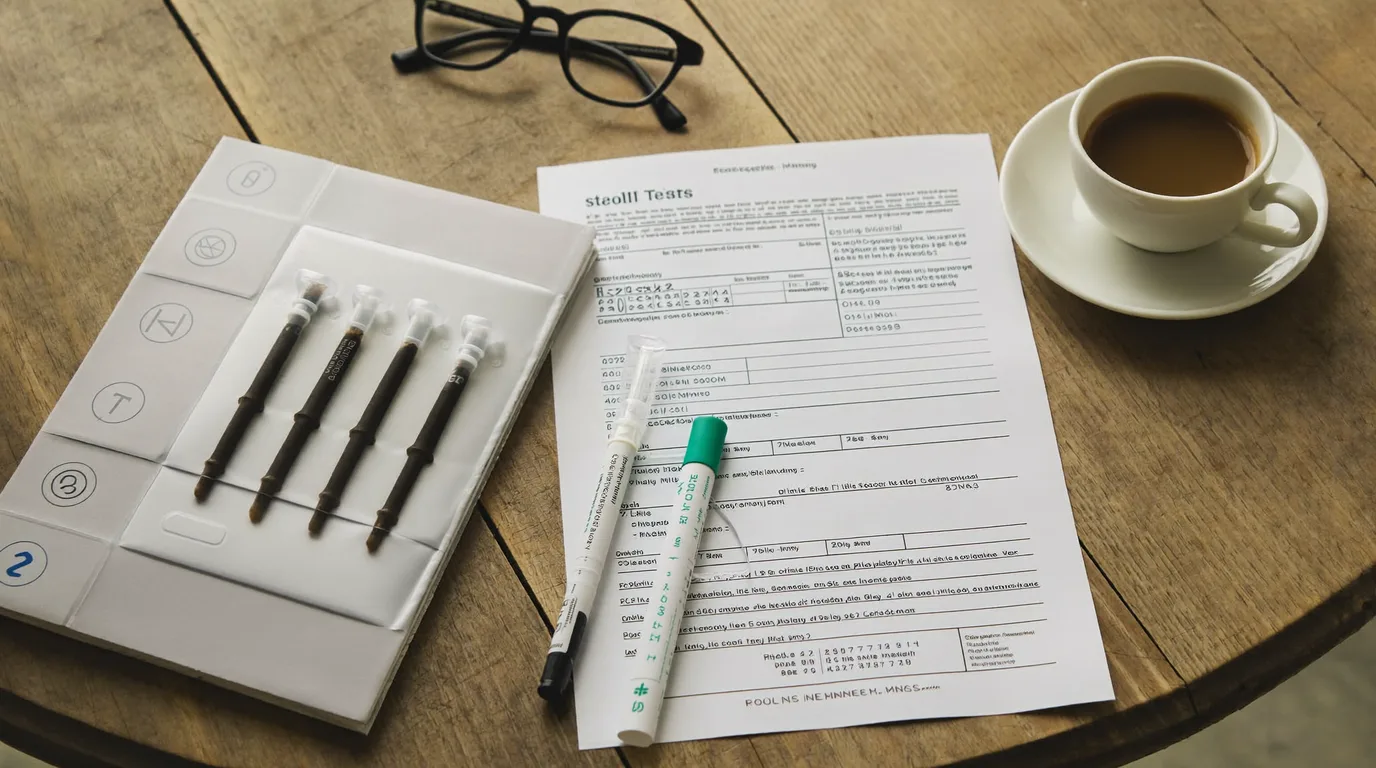
To be clear about what we are not saying: conventional gastrointestinal medicine is genuinely excellent at what it was built to do, and nothing in this article is an argument against it. A colonoscopy remains the gold standard for detecting colorectal cancer and polyps. Upper endoscopy remains essential for diagnosing ulcers, celiac disease, and eosinophilic esophagitis. Stool ova and parasite testing and stool culture are the right tools for identifying acute, clinically significant infections. If you have alarm symptoms, covered specifically in the red flags section of this article, that conventional workup is exactly where you should start, not a functional stool panel.
What that same conventional toolkit is not built to do is characterize the day-to-day balance of your gut ecosystem, the relative abundance of beneficial versus opportunistic organisms, low grade overgrowths that have not yet become a clinical infection, markers of digestive function like enzyme output and bile flow, or the integrity of your gut lining. A standard ova and parasite exam looks for a specific, limited list of organisms under a microscope and will miss the majority of the opportunistic bacterial and fungal overgrowths that drive chronic, low-grade symptoms. It was never designed to catch them, in the same way a metal detector was never designed to find wood.
Why "your colonoscopy was clean" does not mean your gut is balanced.
A colonoscopy is a visual and structural exam. It looks at the physical tissue of your colon for polyps, inflammation, and other visible abnormalities. It says essentially nothing about the microbial population living within that tissue, the permeability of the gut lining, or how efficiently you are digesting and absorbing what you eat. A woman can have a completely clean colonoscopy and simultaneously have significant dysbiosis, a moderately overgrown opportunistic organism, and a compromised gut barrier, none of which a colonoscopy is designed to see. Both facts can be true at the same time, and understanding that is often the single most clarifying moment in a woman's first comprehensive evaluation with us.
This is a modern DNA-based technology, not a stretch of the imagination.
The comprehensive stool testing this article focuses on, most often the GI-MAP panel discussed later in detail, is not an alternative belief system standing in opposition to real science. It uses quantitative polymerase chain reaction, the same core DNA amplification technology used in modern infectious disease diagnostics, to directly identify and quantify the specific organisms present in a stool sample, rather than relying on older culture-based methods that miss organisms that do not grow well outside the body. This is a genuine advance in gut microbiology, and it is precisely why comprehensive stool testing has become more clinically useful over the last decade as the underlying DNA sequencing technology has matured and become more accessible.
Your Gut Microbiome 101: A Working Vocabulary
Before we walk through what can go wrong, it helps to have a shared, simple vocabulary for the organisms living inside your gastrointestinal tract, because the words that follow, dysbiosis, overgrowth, pathogen, get used loosely elsewhere and I want to use them precisely here.
Commensal, or beneficial, bacteria.
These are the bacteria you want present in healthy, abundant numbers, families like Lactobacillus and Bifidobacteria among many others. They ferment fiber into the short chain fatty acids described earlier, help train and regulate your immune system, produce certain B vitamins and vitamin K, and physically crowd out less desirable organisms simply by occupying space and consuming available nutrients. A healthy gut has both a high total abundance and a high diversity of these organisms, and diversity itself, having many different beneficial species rather than a small handful, is increasingly understood as one of the clearest single markers of overall gut health.
Opportunistic organisms.
These are organisms that exist in small, harmless numbers in most healthy guts but become problematic when they grow out of proportion to everything around them, crowding out beneficial species and, in many cases, producing byproducts, including histamine, gas, and inflammatory compounds, that directly drive symptoms. This category is where the majority of chronic, low grade gut imbalance actually lives, and it is almost entirely invisible to a standard stool culture, which is built to flag the presence or absence of specific pathogens, not the relative overgrowth of an organism that is supposed to be there in small amounts.
True pathogens.
These are organisms, bacterial, viral, or parasitic, that should not be present in a healthy gut at all and are capable of causing overt disease. This is the category conventional stool testing is specifically designed to catch, and it does that job well. It is simply a much narrower category than the full picture of what can go wrong in your gut ecosystem.
Fungal organisms.
Yeast, most commonly candida species, are normal residents of a healthy gut in small numbers, and become a genuine contributor to symptoms only when they overgrow, a distinction covered in detail in a later section, since "candida cleanse" has become a phrase used loosely and often inaccurately across the wellness industry.
The gut lining and its immune outposts.
Separate from the organisms themselves, your gut has a physical structure, a single cell layer thick lining held together by structures called tight junctions, and an active immune presence within that lining, including the secretory IgA we cover in detail later. Both the microbial population and the structural integrity of the lining matter independently, and a comprehensive evaluation looks at both together rather than either one in isolation.
What Dysbiosis Actually Means
Dysbiosis is a word that gets used constantly in wellness spaces, often vaguely enough that it stops meaning anything specific. Used precisely, it refers to an imbalance in the composition or function of the gut microbial community, whether that is reduced diversity, an overgrowth of opportunistic organisms relative to beneficial ones, a loss of beneficial species, or some combination of the three. It is not a diagnosis in the way appendicitis or celiac disease is a diagnosis. It is a description of an ecosystem that has drifted out of the balance associated with health, and it is measurable with the right testing.
What causes it.
Dysbiosis rarely has a single cause. In practice, we see it develop from some combination of a course of antibiotics that cleared out beneficial bacteria along with whatever it was treating, chronic stress and the cortisol dysregulation that comes with it, a diet low in the fiber diversity that feeds beneficial bacteria, low stomach acid, which allows organisms that should not survive the trip through your stomach to reach your intestines intact, a prior gastrointestinal infection that never fully resolved, hormonal shifts, particularly the estrogen decline of perimenopause, which independently affects microbial diversity, and years of low grade, unaddressed stress on the system generally. Almost every woman we work with has some combination of several of these, not a single isolated cause, which is part of why a single supplement or a two week cleanse so rarely produces a durable fix.
How this connects to perimenopause specifically.
Research published on postmenopausal women has found measurably reduced gut microbial diversity compared to premenopausal women, and studies of women with perimenopausal symptom clusters have found a reduction in beneficial Lactobacillus and Bifidobacteria species alongside an increase in less favorable organisms (Canadian Digestive Health Foundation review; PMC11940809, National Institutes of Health). This is one of the more underappreciated reasons that gut symptoms so often intensify during the exact years covered throughout our article on early perimenopause and our article on perimenopausal brain fog. The hormonal shift and the gut shift are not two separate coincidences happening on the same timeline. They influence each other directly, in both directions.
SIBO: Small Intestinal Bacterial Overgrowth
Small intestinal bacterial overgrowth, almost universally shortened to SIBO, deserves its own section because it is common, frequently missed, and produces a symptom pattern that looks, at first glance, almost identical to ordinary IBS. The small intestine is supposed to host relatively few bacteria compared to the colon. SIBO occurs when bacteria that belong further down the digestive tract migrate upstream and take up residence in the small intestine in excessive numbers, where they ferment the food you eat before your body has had a chance to absorb it.
What it actually feels like.
Bloating that is often most pronounced within thirty to sixty minutes of eating, a visibly distended abdomen by the end of the day, excessive gas, and either diarrhea, constipation, or an alternating pattern between the two, depending on whether the overgrowth is producing more hydrogen or more methane gas (published review, National Institutes of Health PMC7386065). Because SIBO interferes with normal digestion and absorption, it can also produce vitamin B12 deficiency and, over time, unintentional weight loss in more severe cases, both worth naming to your provider directly if either applies to you.
Why it is so commonly missed or misdiagnosed as IBS.
SIBO symptoms overlap almost completely with irritable bowel syndrome, and a great many women who are told they have IBS, effectively a label for "your gut is uncomfortable and we are not sure precisely why," actually have undiagnosed SIBO underneath that label. Reported prevalence estimates in the published literature vary widely depending on the population studied and the diagnostic method used, generally somewhere between roughly two and a half percent and over twenty percent, and prevalence rises further specifically among women with an existing IBS diagnosis (PMC7386065, National Institutes of Health). One study specifically noted a trend toward more positive SIBO breath tests among women than men (PMC10134763). The reason it gets missed so often in conventional care is straightforward: diagnosing it requires a specific breath test, measuring hydrogen and methane gas after drinking a lactulose or glucose solution, that is not part of a standard gastrointestinal workup and is not ordered unless a provider is specifically thinking about SIBO as a possibility.
How it is diagnosed and why sequencing the fix matters.
The diagnostic gold standard is direct culture of fluid aspirated from the small intestine, an invasive procedure rarely used in practice, which is why breath testing, noninvasive, inexpensive, and reasonably well validated, has become the standard clinical approach (PMC7386065). When SIBO is suspected based on symptom pattern, we typically pursue breath testing directly rather than assuming, because treating suspected SIBO the same way you would treat general dysbiosis, more fiber, more prebiotics, can actually worsen symptoms in the short term by feeding the very organisms that have overgrown in the wrong location. This is one of the clearest examples in this entire article of why an accurate diagnosis changes the treatment plan rather than being an academic detail.
H. Pylori and Why Virulence Factors Matter
Helicobacter pylori is a bacterium that colonizes the stomach lining and is one of the most common chronic bacterial infections in humans worldwide. Many people carry it without ever developing symptoms, which is part of why it is such a commonly misunderstood organism. The presence of H. pylori alone does not automatically mean it needs to be treated. What matters clinically is whether it is present alongside symptoms, and increasingly, whether the specific strain carries virulence factors, genes like CagA and VacA that make a given strain meaningfully more likely to cause tissue damage, ulceration, and chronic gastritis.
Why this matters for a woman with unexplained reflux, bloating, or nutrient deficiencies.
Chronic H. pylori infection can reduce stomach acid production over time, and stomach acid is essential for breaking down protein, absorbing B12, iron, and calcium, and killing off organisms that would otherwise survive the trip into your intestines. A woman with an active, symptomatic H. pylori infection can present with reflux that looks like ordinary GERD, unexplained iron deficiency, low B12, or a general pattern of poor digestion, none of which necessarily points a conventional workup toward H. pylori unless it is specifically tested for.
Why comprehensive stool testing looks at this differently than a standard breath or blood test.
A standard H. pylori breath or blood test typically tells you whether the organism is present. A comprehensive DNA based stool panel, the kind discussed in detail later in this article, can additionally identify specific virulence factor genes, giving a more complete picture of whether a given H. pylori finding is more likely to be an incidental, harmless colonization or an active contributor to a woman's symptoms. This distinction genuinely changes how aggressively we approach treatment.
Candida and Fungal Overgrowth
Few topics in gut health have been more oversimplified by the wellness industry than candida. "Candida cleanse" has become a catchall phrase applied to almost any unexplained symptom, often without any actual testing to confirm fungal overgrowth is present at all. I want to walk through this one carefully and honestly, because both extremes, dismissing candida entirely and blaming it for everything, miss the more nuanced reality.
What is actually true.
Candida species are normal residents of a healthy gut, present in nearly everyone in small numbers, kept in check by beneficial bacteria and a properly functioning immune system. Overgrowth becomes more likely after antibiotic use, which clears out the bacteria that normally keep candida in check, with high sugar and refined carbohydrate intake, which candida uses as fuel, with chronic stress, which suppresses the immune surveillance that keeps fungal populations in balance, and with declining estrogen during perimenopause, since estrogen has documented effects on mucosal immunity that indirectly influence fungal balance. When overgrowth does occur, it can genuinely contribute to bloating, fatigue, sugar cravings, recurrent vaginal or oral yeast infections, and skin symptoms.
What is overstated.
Systemic "candida overgrowth" as a diffuse explanation for essentially any unexplained fatigue, brain fog, or weight gain, absent any actual testing showing fungal overgrowth, is not well supported and is a genuine overreach common in less rigorous corners of the wellness industry. This is exactly why we test for it directly rather than assuming it based on symptoms alone, using the quantitative fungal markers on a comprehensive stool panel, rather than diagnosing it from a symptom checklist and moving straight to a restrictive, often unnecessarily prolonged elimination protocol.
Parasites: More Common Than You've Been Told
The word parasite tends to conjure images of contaminated water in a developing country, and while travel history is genuinely relevant to ask about, parasitic organisms are more common in the general United States population than most people, including many clinicians, assume. Organisms like Blastocystis hominis, Dientamoeba fragilis, and Giardia can be acquired from contaminated water sources, undercooked meat, contact with pets, or international travel, and can persist for months or years, producing intermittent bloating, loose stool, fatigue, and skin symptoms that come and go in a pattern that rarely prompts a woman or her doctor to think "parasite."
Why a standard ova and parasite exam can miss them.
A conventional ova and parasite exam relies on a technician visually identifying organisms under a microscope in a single stool sample, and many parasites are shed intermittently, meaning a single negative sample does not reliably rule them out. DNA based testing, which detects the genetic material of an organism rather than relying on catching it under a microscope at the right moment, is meaningfully more sensitive for exactly this reason, which is one of the practical advantages of the comprehensive panel discussed later in this article over a single conventional stool sample.
Blastocystis hominis: a genuinely debated organism.
I want to be transparent about one specific point of real scientific debate rather than presenting false certainty. Blastocystis hominis is found in a significant percentage of the general population, including many people with no symptoms at all, and researchers have not reached full consensus on when it should be considered a true pathogen versus a harmless commensal organism. In practice, this means a Blastocystis finding on a stool panel is interpreted in the context of your actual symptoms and the rest of your results, not treated automatically as the definitive explanation simply because it showed up on a test.
You don't have to keep guessing at what's driving this.
If bloating, fatigue, and skin or hormone symptoms have been living in the same body for years without a clear explanation, a free 15-minute discovery call is a low-pressure place to talk it through.
Book Your Free 15-Minute CallThe Estrobolome: How Your Gut Recirculates Estrogen
If you have read our guide to hormones and weight resistance over 40 or our guide to bioidentical hormone therapy, you already understand how central estrogen metabolism is to perimenopausal symptoms. What often gets left out of that conversation entirely is that your gut is an active participant in how much estrogen stays in circulation, not just a passive bystander.
How the mechanism actually works.
After your liver processes used estrogen, it attaches a molecule to it in a step called conjugation, which marks that estrogen for excretion and sends it into your bile and eventually your gut. Certain gut bacteria produce an enzyme called beta-glucuronidase that can cleave that marker back off, deconjugating the estrogen and effectively reactivating it so that it gets reabsorbed back into circulation instead of leaving your body, a process called enterohepatic recirculation (Ervin et al., 2019, National Institutes of Health; Kwa et al., 2016). This collection of estrogen-metabolizing gut bacteria is sometimes referred to collectively as the estrobolome, a term that has gained traction in the research literature over the past several years (Larnder et al., 2025, International Journal of Cancer).
Why elevated beta-glucuronidase activity matters for your symptoms.
When beta-glucuronidase activity is elevated, more estrogen is recirculated rather than cleared, which can meaningfully worsen a pattern often called estrogen dominance relative to progesterone, particularly during the perimenopausal years when progesterone is already declining faster than estrogen. In practice, this can look like heavier or more painful periods, more pronounced breast tenderness, worsening PMS, and weight resistance concentrated around the hips, thighs, and lower abdomen that does not respond to diet and exercise changes alone. This is precisely the pattern the DUTCH hormone testing referenced in our free guide, "What Your Labs Aren't Telling You," is built to catch, since it measures not just how much estrogen you have but the pathway your body is metabolizing it through.
Why this is also a legitimate long-term health consideration, not just a comfort issue.
Beyond symptom burden, research has specifically examined elevated gut beta-glucuronidase activity as a contributing factor in hormone receptor positive breast cancer risk, since prolonged exposure to reactivated, recirculating estrogen is one of several established risk factors for hormone-sensitive cancers (PMC8388929, National Institutes of Health; PMC10535898, National Institutes of Health). I want to be careful and precise here rather than alarmist: this is one contributing factor among many, not a determinative one, and gut health is not a substitute for standard breast cancer screening. It is, however, a legitimate, evidence-based reason that supporting healthy gut function is relevant to more than day-to-day comfort.
What actually lowers beta-glucuronidase activity.
Adequate fiber intake supports the growth of beneficial bacteria that compete with beta-glucuronidase-producing organisms for resources, cruciferous vegetables provide compounds that support the liver's estrogen conjugation pathway in the first place, and calcium-d-glucarate, a compound found naturally in foods like apples and Brussels sprouts and available as a targeted supplement, has research support for directly inhibiting beta-glucuronidase activity. This is one clear example of why our protocols address gut function and hormone metabolism together rather than treating them as two separate problems needing two separate, unrelated plans.
The Gut-Thyroid Connection and Hashimoto's
If you have read our article on normal TSH but persistent hypothyroid symptoms, you already know that thyroid dysfunction and Hashimoto's thyroiditis are frequently missed by standard testing. What that article did not cover in depth is how tightly thyroid autoimmunity and gut health are connected, a relationship that has become one of the more well-documented areas of the gut-hormone research over the past several years.
What the research actually shows.
Multiple studies have documented measurable alterations in gut microbiota composition and increased intestinal permeability in patients with Hashimoto's thyroiditis compared to people without autoimmune thyroid disease (PMC7973118, National Institutes of Health). A broader body of research has proposed a genuine thyroid-gut axis, describing how gut dysbiosis and increased intestinal permeability appear to favor the development of Hashimoto's through mechanisms involving immune dysregulation, increased antigen exposure across a compromised gut barrier, and chronic low-grade inflammation (Frontiers in Cellular and Infection Microbiology, 2024; PMC12679698, National Institutes of Health). Research has even connected gut microbial health to how well your body absorbs oral levothyroxine, meaning gut dysfunction can, in some cases, interfere with how effectively your thyroid medication actually works (PMC12521424, National Institutes of Health).
Why this matters if your thyroid antibodies will not come down.
A pattern we see often, and one that mirrors the Renee case described in our free guide, is a woman with a confirmed Hashimoto's diagnosis whose thyroid antibodies stay stubbornly elevated despite being on appropriate thyroid medication and eating what she believes is an anti-inflammatory diet. In a meaningful number of these cases, an unaddressed gut issue, dysbiosis, increased intestinal permeability, or an undiagnosed gluten reactivity, is quietly continuing to drive the immune activation behind those antibodies. Addressing thyroid hormone levels alone treats the downstream consequence. Addressing the gut alongside it addresses one of the upstream drivers.
Iodine, gut bacteria, and thyroid hormone recycling.
Beyond autoimmunity specifically, gut bacteria also play a direct role in iodine metabolism and in the enterohepatic recycling of thyroid hormone itself, similar in concept to the estrogen recirculation described in the previous section (PMC12679698, National Institutes of Health). This is one more reason a comprehensive thyroid evaluation and a comprehensive gut evaluation genuinely belong in the same conversation rather than being handled by two different specialists who never compare notes.
Leaky Gut, Explained Honestly: Intestinal Permeability and Zonulin

"Leaky gut" has become something of a punchline in parts of mainstream medicine, largely because the term has been used loosely and attached to sweeping, unproven claims. That reputation is unfortunate, because the underlying physiology, called intestinal permeability in the scientific literature, is genuinely real, measurable, and increasingly well studied. I want to walk through what the actual science says, plainly, without either the exaggeration the term sometimes gets in wellness spaces or the dismissal it sometimes gets in conventional ones.
What is actually happening at the cellular level.
The lining of your intestine is a single layer of cells held together by structures called tight junctions, which tightly regulate what is allowed to pass from your gut into your bloodstream. Zonulin is a human protein, discovered by researcher Alessio Fasano and his team, that is currently the only known physiological regulator capable of reversibly opening those tight junctions (Fasano, 2012, PubMed; PMC12471543, National Institutes of Health). When zonulin signaling is upregulated, whether by gluten exposure in a sensitive individual, an active gut infection, dysbiosis, or chronic inflammation, those tight junctions loosen, and larger molecules, partially digested food proteins, microbial fragments, and inflammatory compounds, can cross into the bloodstream in ways they normally would not.
What this has been linked to in the research.
Elevated zonulin and increased intestinal permeability have been studied in connection with type 1 diabetes and its relatives, Crohn's disease, and, notably for the neurological symptoms so many women describe, multiple sclerosis, where zonulin-mediated permeability of the blood-brain barrier specifically has been proposed as a mechanism that allows immune cells to infiltrate and amplify central nervous system inflammation (PMC5581307, National Institutes of Health; Fasano, 2012). A separate line of research has also connected elevated zonulin and related leaky gut markers to metabolic health more broadly, including markers relevant to insulin resistance (PMC8623210, National Institutes of Health). Fecal zonulin has additionally been studied as a marker across general population cohorts, with associations to broader measures of gut and metabolic health (PMC12471543, National Institutes of Health).
Being honest about what is still being worked out.
I want to be transparent about the current state of the science rather than overstating it. While zonulin is well established as a genuine, measurable regulator of intestinal permeability, and while increased permeability has real, published associations with autoimmune and inflammatory conditions, the field has not fully settled every question about causation versus correlation in every condition it has been studied alongside, and zonulin testing methodology itself has faced some scrutiny regarding assay reliability across different labs. This is exactly the kind of nuance that gets lost when "leaky gut" is used as a blanket explanation for any symptom. What we can say with confidence is that intestinal permeability is real physiology, it is measurable, and in a woman with autoimmune symptoms, food reactivity, and systemic inflammation, it is a genuinely relevant piece of the picture worth testing rather than assuming either way.
Secretory IgA: Your Gut's First Line of Immune Defense
Secretory immunoglobulin A, almost always shortened to sIgA, is the most abundant antibody in your gut lining and functions as your first line of mucosal immune defense, binding to pathogens, toxins, and antigens before they ever get the chance to cross into your bloodstream. Measuring it gives a genuinely useful window into how your gut immune system is currently functioning.
When it is low.
Low secretory IgA suggests your gut's immune defenses are depleted or exhausted, often after a period of chronic stress, since cortisol suppresses sIgA production, a prior infection that has worn down local immunity, or long-standing dysbiosis. A gut with low sIgA has less capacity to keep opportunistic organisms and pathogens in check, which is part of why infections and overgrowths seem to "keep slipping through" for some women no matter how carefully they manage their diet.
When it is high.
Elevated secretory IgA, somewhat counterintuitively, is also not the goal. It suggests your gut immune system is in active fight mode, mounting a defensive response against something currently present, an infection, an overgrowth, or a significant irritant. Interpreting sIgA well means reading it in context with the rest of a comprehensive panel rather than treating either high or low as automatically good or bad in isolation.
Why this matters for the rest of your immune system.
Because the majority of your total immune tissue is concentrated around your gut, a chronically depleted sIgA level does not stay a purely local problem. It correlates with a gut that is less able to regulate the immune calibration described earlier in this article, which is one of the mechanistic threads connecting low sIgA to the broader pattern of autoimmune flares, recurrent infections, and generalized inflammation so many women describe without ever having a name for why it is all happening together.
The Gut-Brain Axis and Brain Fog
Our article on perimenopausal brain fog covers the estrogen-driven mechanisms behind cognitive symptoms in real depth. What that article touches on only briefly is a second, independent pathway that often compounds those hormonal effects directly: your gut.
The vagus nerve as a direct physical line.
The gut-brain axis describes the bidirectional communication network linking your gastrointestinal tract and your central nervous system, and the vagus nerve is one of its primary physical channels, running directly from your brainstem down through your gut (PMC7560965, National Institutes of Health; PMC11818468, National Institutes of Health). Gut-derived serotonin, along with signals generated by your gut microbiota and their metabolic byproducts, particularly short chain fatty acids, activate vagal nerve fibers that carry information directly to brain regions involved in mood, stress regulation, and cognition, including the nucleus tractus solitarius and the locus coeruleus (PMC11818468, National Institutes of Health).
Why "brain fog an hour after eating" is a real, describable pattern.
The specific, common complaint of brain fog arriving reliably after meals has a plausible physiological explanation once you understand this axis. Dysbiosis and conditions like SIBO produce excess gas and inflammatory byproducts during digestion, small intestinal bacterial overgrowth can trigger a post-meal inflammatory response, and intestinal permeability allows inflammatory compounds into circulation that can affect brain function through the same vascular and inflammatory pathways discussed in our brain fog article. None of this happens in isolation from the estrogen-driven mechanisms already covered elsewhere. It compounds with them, which is part of why so many women in perimenopause describe brain fog that feels different, and often worse, than anything they experienced in their twenties or thirties.
Depression, anxiety, and the gut-brain literature.
A substantial and growing body of research has examined the gut-brain axis specifically in relation to depression and anxiety, with reviews describing altered gut microbiota composition, increased intestinal permeability, and inflammatory signaling as plausible contributing mechanisms in at least a subset of mood disorders (PMC7538207, National Institutes of Health). I want to be careful and precise here, since this is an area where overstatement is common: gut health is one contributing factor among many in mood and anxiety symptoms, not a replacement for appropriate mental health evaluation and care, and anyone experiencing significant depression or anxiety deserves a full evaluation that includes, but is not limited to, gut health.
Gut Health, Weight Resistance, and Insulin
Our guide to hormones and weight resistance over 40 and our article on the Ozempic plateau both walk through the hormonal and metabolic drivers of stubborn weight in detail. The gut is a third, frequently overlooked piece of that same puzzle.
How gut bacteria influence insulin sensitivity.
Research has established that gut microbiota composition influences the development of insulin resistance, in part through inflammatory signaling triggered by an imbalanced microbial population and in part through the short chain fatty acids produced by healthy, diverse gut bacteria, which have documented roles in regulating insulin sensitivity and glucose metabolism (Nature, Signal Transduction and Targeted Therapy, 2024; American Physiological Society review). When the gut microbiome becomes imbalanced due to diet, antibiotic use, or chronic stress, the resulting low-grade systemic inflammation is one of several mechanisms that can independently worsen insulin resistance, on top of whatever hormonal contribution is already happening from declining estrogen and progesterone.
Lipopolysaccharide and "metabolic endotoxemia."
One specific, well-studied mechanism worth naming directly: certain gram-negative bacteria in the gut produce a compound called lipopolysaccharide, or LPS. When intestinal permeability is increased, more LPS can cross into circulation, triggering a low-grade inflammatory state that researchers have termed metabolic endotoxemia, which has been directly linked to insulin resistance and increased fat storage in published research (Frontiers in Immunology, 2020; PMC7596417, National Institutes of Health). This gives a concrete, mechanistic answer to a question we hear constantly: why does the scale refuse to move even when diet and exercise have not meaningfully changed. In a woman with significant dysbiosis and increased permeability, her body may genuinely be fighting an inflammatory, insulin-resistant internal environment that no amount of additional willpower at the dinner table can fully override.
What the emerging probiotic and prebiotic research shows, and does not yet show.
Early clinical research has found that certain probiotic strains improved measures of insulin resistance, reduced circulating endotoxin levels, and modestly decreased visceral fat and BMI in some studied populations, while prebiotic fiber supplementation has shown reductions in fasting glucose in some overweight populations (PMC11489520, National Institutes of Health). This research is genuinely promising and directionally consistent with everything else in this section. It is not yet at the point of a single, universally validated probiotic strain and dose that reliably produces weight loss on its own, and I would rather tell you that honestly than oversell a supplement as a shortcut. What the evidence does support clearly is that a healthier, more diverse gut microbiome is one legitimate, evidence-based piece of a comprehensive metabolic picture, alongside, not instead of, the hormonal and lifestyle factors covered in our other guides.
The Gut-Skin Connection
Adult acne that appeared for the first time in your late thirties or forties, a rosacea diagnosis that seemed to come out of nowhere, eczema patches that flare on a schedule that does not match anything obvious, or a low-grade rash a dermatologist has tried multiple creams on without lasting success. All of these are common enough reasons women end up in our office that they deserve their own section here.
Why the connection makes physiological sense.
Your skin and your gut share a developmental origin and continue to communicate throughout life via shared immune and inflammatory pathways, a relationship increasingly referred to in the research literature as the gut-skin axis. Increased intestinal permeability allows inflammatory compounds and microbial byproducts into circulation, and skin, richly supplied with blood vessels and immune tissue, is one of the organs where that circulating inflammation frequently shows up visibly. Dysbiosis and specific overgrowths can also directly influence histamine load in the body, a mechanism covered in detail in the histamine section below, which independently drives flushing, rashes, and hive-like reactions.
Why this does not mean skip the dermatologist.
I want to be direct about this rather than implying gut work replaces dermatologic care. A dermatologist remains essential for diagnosing the specific skin condition present, ruling out other causes, and managing acute flares. What a comprehensive gut evaluation adds is a look at whether an underlying, unaddressed gut driver is part of why a skin condition keeps recurring despite appropriate topical or prescription treatment, which is a genuinely common pattern in the women we see, not a replacement for the dermatology visit itself.
Gut Health and Autoimmune Conditions
We have already covered the specific, well-documented connection between gut health and Hashimoto's thyroiditis. That relationship is part of a broader pattern researchers have identified across multiple autoimmune conditions, and given how many women reading this either have a diagnosed autoimmune condition or suspect one, it deserves direct attention.
The general mechanism connecting gut health to autoimmunity.
The leading model researchers use to explain how gut dysfunction contributes to autoimmune disease involves three factors working together: a genetic predisposition, an environmental trigger, and increased intestinal permeability that allows immune-activating material to cross into circulation in a way it should not (Fasano, 2012, PubMed). This is sometimes described as the loss of oral tolerance, meaning the immune system's normal ability to distinguish between harmless food particles and genuine threats becomes disrupted. Once immune activation is underway across a compromised gut barrier, the specific autoimmune condition that develops appears to depend heavily on individual genetic susceptibility, whether that manifests as thyroid tissue in Hashimoto's, joint tissue in rheumatoid arthritis, or elsewhere.
Why this matters for antibody levels that will not come down.
For a woman with a diagnosed autoimmune condition whose markers stay stubbornly elevated despite appropriate conventional treatment, this model offers a plausible explanation and a genuinely actionable next step: addressing the gut permeability and dysbiosis that may be continuing to feed the underlying immune activation, alongside, never instead of, the conventional treatment her specialist has prescribed. This is why the Mucosal Barrier Assessment described in our free guide is, in my own words there, "non-negotiable" for clients with autoimmune conditions specifically, and why gut evaluation is one of the first places we look when antibody levels or inflammatory markers are not responding the way they should.
Alcohol and Gut Health
Given how often wine and beer have already come up throughout this article, alcohol deserves its own direct treatment rather than being mentioned only in passing.
Alcohol has documented effects on intestinal permeability, directly loosening the tight junctions discussed in the leaky gut section of this article, and it alters gut microbial composition in ways that can favor less beneficial bacterial populations with regular, heavier use. It also places a direct burden on the liver's detoxification and hormone-clearing pathways discussed in the bile and estrobolome sections above, meaning your body's capacity to clear both alcohol and the estrogen this article has spent considerable time on are, at least in part, competing for the same limited processing resources. None of this means alcohol must be eliminated entirely for every woman reading this article. It means that for a woman actively working through the four-phase protocol described earlier, particularly during phases two and three, temporarily reducing or pausing alcohol is one of the more straightforward, evidence-supported ways to give her gut lining and detoxification pathways the best possible chance to actually recover.
Histamine Intolerance and Gut Bacteria
A specific pattern we hear constantly, almost word for word, in initial consultations: "I used to be able to eat and drink anything, and now red wine gives me a headache, aged cheese makes my face flush, and leftovers sometimes make me feel awful in a way fresh food doesn't." This is a recognizable, explainable pattern, and it deserves a direct answer rather than a shrug.
What histamine intolerance actually is.
Histamine is a compound involved in immune response, stomach acid production, and neurotransmission, and it is also naturally present in varying amounts in fermented, aged, and leftover foods, including red wine, aged cheese, cured meats, sauerkraut, and vinegar. Normally, an enzyme called diamine oxidase, produced primarily in your gut lining, breaks down dietary histamine before it can build up to a problematic level. Histamine intolerance occurs when the amount of histamine you are consuming and producing outpaces your body's capacity to break it down, whether because diamine oxidase production is reduced, because certain gut bacteria are producing excess histamine of their own, or both.
Why this connects directly back to dysbiosis.
Certain species of opportunistic gut bacteria produce histamine as a metabolic byproduct, and an overgrowth of these species can meaningfully raise your total histamine load independent of what you are actually eating, exactly the pattern described in the Maria case in our free guide, whose GI-MAP revealed a moderate overgrowth of two histamine-producing bacterial strains explaining her reactions to wine and cheese. Intestinal permeability compounds this further, since a compromised gut lining allows more dietary histamine to be absorbed before diamine oxidase has the chance to break it down. This is also why histamine symptoms so often intensify during perimenopause specifically: estrogen and histamine interact directly, with estrogen able to trigger histamine release from immune cells and histamine, in turn, able to influence estrogen signaling, creating a two-way relationship that can make this pattern noticeably worse during the exact hormonal transition covered throughout this article.
Food Sensitivities, Allergies, and Intolerances: An Honest Breakdown
This is the section I want to slow down for the most, because it is an area where I think the wellness industry has genuinely overpromised, and I would rather give you an honest, carefully calibrated picture than a confident-sounding oversimplification.
Three genuinely different categories.
A true food allergy is an IgE-mediated reaction, immediate, potentially dangerous, and diagnosable through standard allergy testing, the throat-closing or hive-producing reaction to something like peanuts or shellfish. A food intolerance, like lactose intolerance, is a digestive inability to properly process a specific compound, unrelated to the immune system, and is usually diagnosable through a specific functional test, like a lactose or fructose breath test. A food sensitivity is a broader, less precisely defined category describing a delayed, lower-grade reaction, and this is the category where testing methodology becomes genuinely contested.
What I need to tell you honestly about IgG testing.
IgG food sensitivity testing, the kind of panel that tests antibody levels against a long list of foods, is widely available, frequently marketed, and, I want to be direct about this, not well supported by the current evidence as a tool for diagnosing food sensitivities. The American Academy of Allergy, Asthma and Immunology, along with major European and international allergy organizations, has stated plainly that IgG antibody presence reflects prior exposure to a food, not an adverse reaction to it, and that a positive IgG result is, if anything, a marker of a normally functioning immune system rather than evidence of a problem. A 2025 review in a major internal medicine journal specifically noted that this kind of testing frequently leads to unnecessary dietary restriction without corresponding clinical benefit. I am including this here even though it complicates a simple narrative, because you deserve to know it before spending money on a test that the major allergy and immunology bodies do not consider valid for this purpose.
Where the Mediator Release Test fits, and its real, current limitations.
The Mediator Release Test, referenced in our free guide, uses a different methodology than IgG testing. Rather than measuring antibodies, it measures the actual change in white blood cell volume after exposure to a food or chemical, intended as a proxy for the release of inflammatory mediators like histamine, cytokines, and prostaglandins, which are the compounds that plausibly drive symptoms like bloating, joint pain, and brain fog. This is a meaningfully different approach than IgG testing and is not subject to the same specific criticism from the major allergy organizations, since it is not claiming to measure allergic antibody response at all. I also want to be equally honest here: published, independent research on the Mediator Release Test remains limited, and it remains a genuinely debated tool among registered dietitians and physicians, some of whom find it clinically useful in practice and others of whom remain unconvinced by the current evidence base.
How we actually use this kind of testing in practice.
Given that honest picture, we do not treat a food sensitivity panel of any kind as a stand-alone diagnosis, and we never recommend building a long-term, highly restrictive diet around it in isolation. We use it as one input alongside a structured elimination and reintroduction process, still widely considered the most reliable practical method for identifying individual food reactivity, where a food's exclusion is only kept in place if removing and then reintroducing it under controlled conditions produces a clear, repeatable symptom change. A lab result that never gets confirmed against your actual, lived response to a food is not a result worth building your diet around indefinitely, and I would rather tell you that plainly than let a lab report replace your own body's feedback.
The GI-MAP Test, Explained
The GI-MAP, short for Gastrointestinal Microbial Assay Plus, is the comprehensive stool test we use most often, and since it is referenced throughout our free guide and throughout this article, it deserves a clear, standalone explanation of what it actually is and how it works.
The technology behind it.
The GI-MAP uses quantitative polymerase chain reaction, or qPCR, to directly identify and measure the genetic material of organisms present in a single stool sample, collected at home and shipped to a certified laboratory. This DNA-based approach can detect and quantify organisms that traditional culture-based stool testing frequently misses, since some organisms are difficult or impossible to grow outside the body, and it reports results as an actual quantity, not simply present or absent, which allows a trained clinician to distinguish a clinically insignificant trace finding from a meaningful overgrowth.
What it actually measures, category by category.
The panel screens for true pathogens, including bacteria, viruses, and parasites, with specific attention to H. pylori and its virulence factor genes, as covered earlier in this article. It quantifies opportunistic bacterial and fungal organisms, including candida species, to identify overgrowths before they become a diagnosable infection. It measures the relative abundance of key beneficial bacterial species, since what is missing often matters as much as what is overgrown. And it includes a set of functional markers: secretory IgA for gut immune status, pancreatic elastase to assess whether you are producing adequate digestive enzymes, beta-glucuronidase, directly relevant to the estrogen recirculation discussed earlier, zonulin as a marker of intestinal permeability, and calprotectin, a marker of intestinal inflammation that is also used in conventional gastroenterology to help distinguish inflammatory bowel disease from irritable bowel syndrome.
What it cannot tell you, stated plainly.
The GI-MAP is not a substitute for a colonoscopy, an endoscopy, or standard celiac serology, and it cannot diagnose inflammatory bowel disease, celiac disease, or colorectal cancer on its own. If your symptom pattern includes any of the red flags described later in this article, that conventional workup comes first, full stop. What the GI-MAP adds, once serious structural disease has been appropriately ruled out or is not suspected based on your presentation, is a detailed functional picture of your gut ecosystem that conventional testing was never designed to provide.
Bile, Fat Digestion, and Detoxification
Bile does not get nearly as much attention in gut health conversations as bacteria do, and it deserves more, since it directly affects several of the mechanisms covered elsewhere in this article.
Produced by the liver and stored and released by the gallbladder, bile is essential for breaking down dietary fat and absorbing the fat-soluble vitamins A, D, E, and K, and it also serves as one of the body's routes for clearing excess hormones and toxins, as covered in the Metabolic Wellness Profile section earlier in this article. When bile flow is sluggish, whether from a diet very low in the fat needed to stimulate bile release, prior gallbladder removal, or broader digestive dysfunction, fat digestion becomes less efficient, fat-soluble nutrient absorption drops, and the hormone and toxin clearance pathways this article has spent considerable time on become less effective as well. This is precisely the mechanism behind Jenny's story in our free guide, where a diet rich in lean protein and healthy fats was sitting heavily and undigested specifically because her bile output, not her food choices, was the actual bottleneck.
Other Functional Tests We Use Alongside It
The GI-MAP is rarely the only test we run, since it answers a specific set of questions well and leaves others unanswered. Depending on your specific symptom pattern, a comprehensive evaluation may also include the following.
The Mucosal Barrier Assessment.
This is a saliva-based test measuring secretory IgA, anti-gliadin antibodies, which can reveal an immune reaction to gluten distinct from celiac disease, and anti-candida antibodies. It is a direct, practical way to assess the gut immune and barrier questions covered throughout this article without requiring an invasive procedure, and it is the test I described in our free guide as essential for clients managing an existing autoimmune condition.
The Metabolic Wellness Profile.
This urine-based panel measures indican, a byproduct of bacterial protein fermentation in the small intestine and a useful early indicator of low stomach acid or dysbiosis, 8-OHdG, a marker of cellular oxidative stress, and bile acid sulfates, which reflect how well your liver and gallbladder are supporting fat digestion and hormone clearance. Together these three markers give a fast, noninvasive read on digestive function, cellular inflammation, and detoxification capacity, three factors that directly influence how well any gut protocol will actually work.
SIBO breath testing.
When the symptom pattern described earlier in this article, post-meal bloating, distension that builds through the day, points specifically toward small intestinal bacterial overgrowth, a lactulose or glucose breath test measuring hydrogen and methane gas is the appropriate, targeted next step, since the GI-MAP alone does not reliably diagnose SIBO.
Comprehensive hormone testing.
Given everything this article has covered about the estrobolome, the gut-thyroid axis, and the histamine-estrogen relationship, gut testing without any corresponding look at your hormone picture leaves a genuine gap. This is why our standard evaluation pairs gut testing with the comprehensive hormone panel described in detail in our guide to hormones and weight resistance over 40, rather than looking at either system in isolation.
What Conventional GI Care Is Still Essential For
Because this article spends so much time on what conventional testing misses, I want to be equally direct about what it remains genuinely essential for, since presenting functional testing as a replacement for conventional gastroenterology, rather than a complement to it, would be irresponsible and could genuinely delay a serious diagnosis.
Colonoscopy and colorectal cancer screening.
Colorectal cancer screening guidelines in the United States currently recommend average-risk adults begin screening at age forty-five, earlier with a relevant family history, and no functional stool panel is a substitute for this screening. If you are due for a colonoscopy based on your age or family history, please schedule it regardless of anything else in this article.
Celiac disease and inflammatory bowel disease.
Celiac disease is diagnosed through specific blood serology, most commonly tissue transglutaminase IgA antibodies, followed by upper endoscopy with biopsy to confirm, and it must be tested for while you are still eating gluten, since removing it beforehand can produce a false negative result. Inflammatory bowel disease, Crohn's disease and ulcerative colitis, is diagnosed through a combination of colonoscopy, biopsy, and imaging, and requires specialized, ongoing gastroenterology management that a functional medicine evaluation does not replace, even though gut-supportive strategies covered later in this article can often be used alongside that conventional care, ideally with your gastroenterologist aware of and involved in that decision.
Why we work alongside your GI physician, not instead of them.
If you already have an established relationship with a gastroenterologist, a comprehensive functional evaluation is meant to complement that relationship, not replace it. We are glad to communicate directly with your specialist and share results when that is useful, and we will always refer you to gastroenterology directly, promptly, and without hesitation if anything in your history or presentation suggests it is warranted.
Red Flags: See a Physician Now, Not a Functional Practitioner
I want this section to be unmistakable, because it is the most important safety information in this entire article. If you are experiencing any of the following, please see a physician directly and promptly, ideally with a referral to gastroenterology, rather than starting with functional testing or a self-directed elimination diet.
Blood in your stool, whether bright red or dark and tarry. Unintentional weight loss you cannot otherwise explain. Persistent vomiting or difficulty swallowing. Severe or worsening abdominal pain, particularly if it wakes you from sleep. A significant, unexplained change in your bowel habits that has persisted for several weeks. Anemia discovered on routine bloodwork with no clear explanation. A family history of colorectal cancer or inflammatory bowel disease, which should prompt an earlier conversation about screening regardless of your current symptoms. Fever alongside gastrointestinal symptoms. And any symptom that feels, to you, meaningfully different in severity or character from the chronic, lower-grade pattern this article otherwise describes.
None of the testing or protocols described in this article are appropriate substitutes for an urgent medical evaluation if any of the above applies to you. This article is written for the far more common category of women experiencing chronic, lower-grade symptoms, bloating, fatigue, skin flares, food reactivity, brain fog, that have already been reasonably evaluated for acute or dangerous causes, or whose presentation does not suggest one. If you are ever unsure which category you fall into, the safest choice is always to ask a physician directly rather than deciding for yourself based on an article.
The Symptom Map: Connecting the Dots Back to Your Gut
Having walked through the individual mechanisms in detail, it helps to see them gathered in one place, organized by the symptom that actually brought you to this article rather than by the underlying mechanism, since that is usually how you have been experiencing all of this.
Bloating that builds through the day or arrives after meals.
Worth evaluating for SIBO, general dysbiosis, low stomach acid, and low pancreatic elastase indicating insufficient digestive enzyme output, all covered in earlier sections.
Brain fog, especially the kind that shows up after eating.
Worth evaluating through the gut-brain axis lens, alongside the estrogen-driven mechanisms covered in our dedicated brain fog article, since the two frequently compound each other.
Skin flares that will not resolve with topical treatment alone.
Worth evaluating through the gut-skin axis, intestinal permeability, and histamine load, alongside your dermatologist's direct care of the skin condition itself.
Worsening PMS, heavier periods, or weight resistance around the hips and thighs.
Worth evaluating for elevated beta-glucuronidase activity and estrogen recirculation through the estrobolome, alongside comprehensive hormone testing.
Thyroid antibodies that will not come down despite appropriate medication.
Worth evaluating for gut dysbiosis and intestinal permeability through the gut-thyroid axis described earlier, alongside your existing thyroid management.
New reactions to wine, aged cheese, or leftovers.
Worth evaluating for histamine intolerance and the bacterial overgrowths that can drive it.
Fatigue that does not improve with sleep.
Worth evaluating for nutrient malabsorption secondary to gut dysfunction, alongside the thyroid, adrenal, and mitochondrial factors covered in our article on fatigue and weight resistance.
A Brief History of How We Got Here
It helps to understand why comprehensive gut testing was not always available, and why it can still feel unfamiliar even to some conventionally trained physicians, because the underlying technology is genuinely newer than most of the rest of modern medicine's diagnostic toolkit.
From culture plates to DNA sequencing.
For most of the twentieth century, identifying gut organisms meant trying to grow them in a lab dish, a method called culturing. The problem, understood more clearly only in the past two decades, is that a substantial proportion of gut bacteria simply do not grow well, or at all, outside the human body, meaning culture-based methods were always missing a large and clinically relevant portion of the actual microbial population. The Human Microbiome Project, a major initiative that ran through the 2010s, used DNA sequencing technology to map the human microbiome far more completely than culture methods ever could, and that same underlying sequencing and quantitative PCR technology is what eventually made its way into the clinical stool panels, including the GI-MAP, that we use today.
Why this explains the gap between functional and conventional medicine here.
Medical training and standard clinical guidelines take time, often a decade or more, to fully incorporate a genuinely new diagnostic category, and DNA-based comprehensive stool testing is still, in the arc of medical history, a relatively recent development. This is part of why a woman can bring a GI-MAP report to a conventional physician and receive a puzzled or dismissive response, not necessarily because the testing lacks scientific merit, but because the specific clinical application of this technology has not yet been fully absorbed into standard primary care training and guidelines the way, for example, a basic metabolic panel has been for decades. Understanding this timeline helps make sense of why this entire category of testing can feel unfamiliar or even suspect to a provider who has not had reason to explore it directly.
Common Mistakes Women Make Trying to Fix This on Their Own
Almost every woman we work with has already tried several genuinely reasonable things before her first visit with us. Naming the common patterns here is not a criticism of that effort. It is meant to save you time by explaining why some of the most commonly recommended first steps so often fall short on their own.
Starting with a restrictive diet before testing.
Removing gluten, dairy, and a long list of other foods all at once, without any testing to identify which of them are actually relevant to your specific body, often produces some improvement simply because you are eating less processed food overall, followed by disappointment when the improvement is partial or fades once you loosen the restriction again. As covered earlier in this article, testing first and then targeting the diet to what testing actually shows produces a more durable, less unnecessarily restrictive result.
Trying a new probiotic every few months.
As covered in the section on why probiotics alone rarely fix this, switching between generic probiotic products without addressing an underlying overgrowth or digestive enzyme deficit tends to produce the same modest, short-lived result each time, which can understandably lead a woman to conclude that "probiotics just don't work for me," when the more accurate conclusion is that a generic probiotic was never targeted at her actual, specific issue.
Treating every symptom as a separate problem.
A dermatologist for the skin, a separate over-the-counter remedy for the bloating, a different supplement for the fatigue, and a fourth approach entirely for the brain fog. This article has spent considerable time showing how tightly these systems are actually connected. Treating each symptom in isolation, with a different, unconnected intervention for each one, misses the shared root that a comprehensive evaluation is specifically built to identify.
Giving up on a protocol at the three week mark.
As covered in the four-phase protocol and cost and timeline sections, meaningful gut repair genuinely takes months, not weeks, and the early stabilization phase in particular can feel deceptively uneventful before the more visible improvements of later phases arrive. Understanding the realistic timeline in advance, rather than expecting a two-week transformation, is one of the simplest ways to avoid abandoning a protocol that was actually on track.
Three Women, Three Guts: Composite Client Stories
The following scenarios are composites, built from patterns we see repeatedly in practice rather than any single client's records, shared here because a concrete story often makes an abstract mechanism click into place faster than a symptom list on its own.
Danielle, 43, Traverse City.
Danielle runs a small marketing consultancy from home, eats what she describes as a genuinely healthy diet, and has done two rounds of a well-known elimination diet over the past three years, each time feeling somewhat better and then losing the improvement within weeks of reintroducing normal foods. Her primary complaint was afternoon bloating severe enough that she kept a second, looser pair of pants at the office, alongside brain fog that made client calls after two in the afternoon noticeably harder than the same calls in the morning. Her PCP had run a basic metabolic panel and a TSH, both normal, and told her the bloating was "probably IBS, try more fiber," advice that had made her symptoms modestly worse rather than better. Her GI-MAP showed a moderate SIBO-consistent pattern alongside low pancreatic elastase, meaning she was not producing adequate digestive enzymes to properly break down what she was eating in the first place, which explained both why more fiber had backfired and why the elimination diets kept losing effect once she reintroduced normal food volume. Addressing enzyme support and the small intestinal overgrowth directly, rather than restricting her diet further, resolved the bloating within six weeks.
Priya, 46, Milwaukee.
Priya is an attorney with a Hashimoto's diagnosis she has managed with levothyroxine for six years. Her TSH has stayed technically in range, but her thyroid antibodies have never come down despite a genuinely careful anti-inflammatory diet and a supplement protocol from a prior functional practitioner. She also described chronic, low-grade sinus congestion and a persistent sense of being "puffy" that she could not connect to anything specific. Her Mucosal Barrier Assessment showed elevated anti-gliadin antibodies, meaning her immune system was actively reacting to gluten despite negative celiac testing, alongside suppressed secretory IgA. Removing gluten specifically, rather than the broader elimination diet she had tried previously, alongside gut barrier support, brought her thyroid antibodies down meaningfully over four months, the first real movement she had seen in years of otherwise appropriate thyroid management.
Beth, 51, near Green Bay.
Beth is in the later stage of her menopausal transition, no longer having periods, and came to us specifically for new reactions to red wine and aged cheese that had appeared over the previous year, alongside stubborn weight around her midsection that had not responded to the same diet and exercise routine that had worked reliably for her in her forties. Her GI-MAP showed elevated beta-glucuronidase activity and a mild histamine-associated bacterial overgrowth. Her comprehensive hormone panel, run alongside the gut testing, showed the expected postmenopausal estrogen decline, but the estrogen she was producing was being inefficiently cleared due to the elevated beta-glucuronidase, worsening symptoms that would otherwise have been milder at her stage of the transition. Addressing the gut finding directly, alongside targeted nutritional support for estrogen clearance, meaningfully reduced both the histamine reactions and the midsection weight resistance within three months, without any change to her existing exercise routine.
Angela, 38, Kalamazoo.
Angela is a physical therapist who came to us primarily for joint pain, not gut symptoms, a persistent ache in her knees and hips that had shown up over the past year with no clear injury behind it and had left both her and her own physician puzzled, since her inflammatory markers on standard bloodwork came back only mildly elevated. She mentioned, almost as an aside during her intake, that she had also been more bloated than usual and had started avoiding chicken because it "just seemed to sit heavy." Her GI-MAP showed a mild to moderate dysbiosis pattern, and a subsequent structured elimination and reintroduction process, informed by but not dictated by her Mediator Release Test results, identified a clear, reproducible reaction to chicken and eggs, two foods she ate almost daily. Removing those two specific foods and addressing the underlying dysbiosis brought her joint pain down substantially within six weeks, a connection her physical therapy colleagues found genuinely surprising until she explained the gut-inflammation mechanism behind it.
Sarah, 49, Madison.
Sarah is a university administrator who had been diagnosed with IBS a decade earlier and had made peace with it as a permanent, unfixable part of her life, managing it loosely with over-the-counter remedies and a general effort to "eat sensibly." What actually prompted her visit with us was not the digestive symptoms themselves but a new pattern of afternoon energy crashes and word-finding trouble that she initially assumed was early perimenopause alone. Her SIBO breath test came back strongly positive for methane-dominant overgrowth, a pattern she had never been tested for in ten years of an IBS diagnosis. Treating the SIBO directly, something no one had specifically named as a possibility in a decade of managing her symptoms as generic IBS, resolved not only her long-standing bloating and irregular bowel habits but also, unexpectedly to her, much of the afternoon brain fog she had assumed was purely hormonal.
You don't have to keep cycling through elimination diets that stop working.
A free 15-minute discovery call is a chance to talk through what you have already tried and what a real, sequenced evaluation could look like for you specifically.
Book Your Free 15-Minute CallWhy Probiotics Alone Rarely Fix This
A probiotic supplement is one of the first things almost every woman has already tried by the time she reaches us, usually with modest or short-lived results, and I want to explain honestly why that happens rather than simply recommending a different probiotic and hoping for a better outcome.
Adding beneficial bacteria to an ecosystem that is actively hostile to them rarely works well.
If you have an active overgrowth, whether bacterial, fungal, or parasitic, taking a general probiotic is a little like planting a garden in soil that is actively overrun by a more aggressive competing plant. Some benefit is possible, but the underlying overgrowth continues to crowd out and outcompete whatever beneficial bacteria you are adding, which is a major reason probiotics alone so often produce disappointing or temporary results in women with meaningful dysbiosis.
Strain specificity actually matters, and most over-the-counter products do not target it.
Probiotic research is strain-specific, meaning benefits demonstrated for one particular strain of Lactobacillus or Bifidobacteria do not automatically apply to every product labeled with that same genus on the bottle. A generic, broad-spectrum probiotic purchased without reference to your actual test results is a reasonable general wellness habit, but it is not the same thing as a targeted intervention chosen because your own testing showed a specific deficiency or a specific overgrowth that a particular strain has evidence for addressing.
If digestive function itself is impaired, added bacteria cannot fully compensate.
Recall Danielle's story from the previous section. Her low pancreatic elastase meant she was not adequately breaking down food in the first place, regardless of which bacteria were present downstream. No amount of probiotic supplementation addresses insufficient digestive enzyme output, low stomach acid, or sluggish bile flow, all of which need to be identified and supported directly, which is exactly why the Metabolic Wellness Profile and pancreatic elastase markers described earlier in this article matter as much as the microbial findings themselves.
Stress, Cortisol, and the Gut
Our guide to hormonal sleep and anxiety covers the cortisol curve and the DUTCH test in detail. What deserves direct attention here is how tightly your stress physiology and your gut are linked, since it is genuinely difficult to fully resolve gut symptoms while chronic stress remains unaddressed.
How cortisol directly affects your gut.
Chronically elevated cortisol suppresses secretory IgA production, meaning sustained stress directly weakens the gut immune defenses described earlier in this article. Cortisol also slows digestive motility and reduces blood flow to the digestive tract, since your body's stress response is built to prioritize immediate survival functions over digestion, and it can alter the composition of your gut microbiota directly, a well-documented bidirectional relationship running in both directions between your gut and your nervous system, not simply a one-way effect of stress on digestion.
Why this is not "it's all in your head."
I want to be careful with how this section is read, because "stress is affecting your gut" has too often been used as a dismissive shorthand for "there is nothing physically wrong with you." That is not what this section is saying. Chronic stress produces measurable, physiological changes in cortisol output, gut motility, immune function, and microbial composition, all of which this article has already documented with real research. Addressing nervous system regulation is not a substitute for addressing dysbiosis, overgrowth, or intestinal permeability directly. It is a parallel, equally physiological piece of the same picture, which is why our approach, described in the guide, "What Your Labs Aren't Telling You," always leads with the principle of safety before strategy: stabilizing the nervous system and stress physiology first, so that the gut-specific interventions that follow actually have a chance to land in a body that is not still running in survival mode.
The Four-Phase Root-Cause Protocol We Actually Use

Testing tells us what is happening. Sequencing determines whether the plan built around that testing actually works, and this is the piece most protocols, including some well-intentioned functional medicine protocols, skip entirely. Handing a woman a six-page supplement list, a restrictive diet, and a parasite cleanse all at once, before her nervous system and basic digestive capacity are stable enough to handle that load, is a well-documented way to make someone feel meaningfully worse rather than better, a pattern described directly through Joanna's story in our free guide.
Phase one: stabilize.
Before addressing any specific gut finding, we focus on nervous system regulation, blood sugar stability, and basic sleep support. A body still running in chronic stress physiology does not repair well, no matter how targeted the intervention that follows. This phase typically lasts two to four weeks and is the piece most commonly skipped elsewhere.
Phase two: remove.
Once the nervous system is more stable, we address whatever your testing has actually identified, an overgrowth, a parasite, active H. pylori with relevant virulence factors, using targeted, evidence-informed antimicrobial or pharmaceutical approaches matched to what your results actually show, rather than a generic "gut cleanse" applied the same way to every woman regardless of her specific findings.
Phase three: restore.
With the acute imbalance addressed, we focus on rebuilding digestive function directly, digestive enzyme support if your elastase was low, stomach acid support if indicated, and targeted nutrients to support gut lining repair, since removing an overgrowth without restoring the underlying digestive capacity that allowed it to take hold in the first place tends to produce only a temporary improvement.
Phase four: reinoculate and maintain.
Only once the previous three phases are underway do we introduce targeted, strain-specific probiotics and the fiber diversity needed to rebuild a genuinely resilient microbiome, alongside a sustainable, individualized long-term diet built around what your elimination and reintroduction process actually revealed, not a permanent restrictive protocol you are meant to follow indefinitely.
The full arc typically runs three to six months depending on what your testing shows and how significant your findings are, and I want to be honest about that timeline rather than promising a faster fix than the underlying physiology actually allows. Most women notice meaningful improvement in bloating and energy within the first four to six weeks, with the deeper markers, thyroid antibodies, skin, hormone-related symptoms, continuing to improve gradually over the months that follow.
Diet Approaches: What the Evidence Actually Supports

Diet advice for gut health ranges from genuinely evidence-based to fairly speculative, often within the same article, and I want to sort through that honestly rather than presenting every popular approach as equally validated.
The low FODMAP diet.
This structured elimination of specific fermentable carbohydrates has the strongest research base of any dietary approach discussed in this section, particularly for IBS and SIBO-related symptoms, and is genuinely useful as a short-term diagnostic and symptom-management tool. It is not intended as a permanent diet, since the fermentable carbohydrates it restricts also feed beneficial gut bacteria, and long-term, overly strict adherence without professional guidance can itself reduce microbial diversity over time.
Structured elimination and reintroduction.
As discussed in the food sensitivity section, a deliberate, time-limited removal of suspected trigger foods, followed by controlled, one-at-a-time reintroduction while tracking symptoms, remains the most reliable practical method available for identifying your own individual food reactivity, more reliable than any single lab test on its own.
Fiber diversity, not fiber quantity alone.
The research on short chain fatty acids and microbial diversity increasingly points toward variety, many different plant fibers from many different food sources, mattering as much as total fiber grams. A diet built around the same three vegetables every week feeds a narrower range of beneficial bacteria than a genuinely varied plate, which is a meaningfully different, evidence-supported message than the blunt "eat more fiber" advice so many women have already tried without success.
What we are more cautious about.
Extended, multi-month "candida diets" or extreme long-term restriction protocols pursued without corresponding testing to confirm they are addressing an actual, identified finding are an area where I encourage real caution. These approaches are often unsustainable, can create genuine anxiety and disordered patterns around food over time, and are not what the evidence in this article actually supports as a first step. Testing first, then targeting the diet to what testing actually shows, produces better outcomes with far less unnecessary restriction than starting from an assumption and working backward.
Supplements and Nutraceuticals: An Honest Review
A brief, honest walk through several of the supplements most commonly discussed for gut health, since the evidence quality genuinely varies from one to the next, and you deserve to know which is which before spending money on any of them.
Digestive bitters and betaine HCl.
For women with confirmed low stomach acid, supporting acid production directly, whether through bitters taken before meals or supplemental betaine HCl under professional guidance, addresses a genuinely upstream problem rather than a downstream symptom, and can meaningfully improve protein digestion and reduce the small intestinal bacterial migration risk described earlier in the SIBO section. This is not appropriate for everyone and should be guided by testing or a clinician's assessment rather than self-directed trial and error, since inappropriate use in someone with normal or high stomach acid can cause real discomfort.
Calcium-d-glucarate.
As discussed in the estrobolome section, this compound has research support for inhibiting beta-glucuronidase activity, making it a targeted, evidence-informed option for women whose testing specifically shows elevated beta-glucuronidase and estrogen recirculation, rather than a generic supplement recommended to everyone regardless of their actual findings.
L-glutamine and gut lining support.
Glutamine is the primary fuel source for the cells lining your intestine, and it is commonly used to support gut barrier repair in women with confirmed intestinal permeability. The research base here is smaller and more mixed than for calcium-d-glucarate, and I mention that honestly rather than overstating the certainty behind a widely recommended supplement.
Targeted, strain-specific probiotics.
As covered in the earlier section on why probiotics alone rarely fix this, the meaningful research support here is strain-specific, and a probiotic chosen because your own testing showed a specific deficiency it has evidence for addressing is a genuinely different intervention than a generic multi-strain product taken without that context.
What we are skeptical of.
Broad "gut detox" or "parasite cleanse" products sold without any actual testing behind them, promising to address an unconfirmed, unspecified imbalance, are an area of the supplement market I would encourage genuine skepticism toward. If a product's marketing does not specify which organism or mechanism it addresses, or point you toward any testing to confirm you actually have that issue, that is a meaningful red flag worth noticing.
Gut Health While Taking a GLP-1 Medication
If you have read our article on the Ozempic plateau or are currently taking a GLP-1 medication like semaglutide or tirzepatide, this section is worth reading directly, since GLP-1 medications and gut function intersect in ways that are relevant to nearly everything covered in this article.
Why these medications can produce SIBO-like symptoms.
GLP-1 medications work in significant part by slowing gastric emptying, which is part of how they reduce appetite. That same slowed motility, however, is a known risk factor for exactly the kind of small intestinal bacterial overgrowth described earlier in this article, since bacteria have more time to accumulate and ferment food in a slower-moving digestive tract. This is a plausible, mechanistic explanation for the nausea, bloating, and constipation that a meaningful number of women on these medications describe, symptoms that are sometimes attributed entirely to the medication itself when an underlying, testable overgrowth may also be contributing.
Why gut testing is worth considering if you are on a GLP-1 and still not getting the results you expected.
Our Ozempic article covers six root causes of a stalled GLP-1 response in detail, including thyroid dysfunction and perimenopausal hormone shifts. Gut health belongs directly alongside those causes, since the metabolic endotoxemia and insulin resistance mechanisms described in this article's section on gut health and weight resistance do not automatically resolve simply because appetite has been pharmacologically reduced. A woman whose weight loss has plateaued on an otherwise appropriately dosed GLP-1 medication, particularly if she is also experiencing new or worsening digestive symptoms, is a genuinely reasonable candidate for the kind of comprehensive gut evaluation described throughout this article, run alongside, not instead of, her GLP-1 treatment.
If You've Already Tried Functional Medicine Without Success
A meaningful number of women who find their way to us have already worked with another functional or integrative practitioner, sometimes more than one, and did not get the results they were hoping for. I want to address this directly rather than assuming your prior experience was simply a bad fit.
The most common reason a prior protocol did not work.
As described through Joanna's story in our free guide and in the four-phase protocol section of this article, the single most common reason a well-intentioned, even accurately diagnosed functional medicine protocol fails to produce lasting results is sequencing, asking a body still running in survival mode to do deep repair work before it has been stabilized enough to actually respond. If your prior protocol involved a long supplement list, a restrictive diet, and an antimicrobial or cleanse protocol all introduced at once, and you felt worse rather than better, that is a genuinely common, explainable pattern, not a sign that functional medicine itself does not work for you.
What is worth bringing to a second evaluation.
Bring your prior testing results, even if they are more than a year old, along with a clear account of what protocol you tried and specifically how your body responded, better, worse, or no change, and on what timeline. This information is genuinely useful, since it often points directly toward what was missed the first time, whether that is a sequencing issue, an untested possibility like SIBO or a specific parasite, or a genuinely unaddressed hormonal contributor running alongside the gut findings.
A Note on Language: Why This Article Avoids Fear-Based Claims
You may have noticed that this article does not claim gut health explains every symptom, does not promise a specific timeline shorter than the evidence supports, and repeatedly flags where the underlying science is genuinely still developing rather than settled. That is a deliberate choice, and I want to name why it matters.
A significant portion of gut health content available online relies on fear, urgency, and sweeping claims, "this one toxin is destroying your gut," "everyone has leaky gut and doesn't know it," "candida is the hidden cause of everything," precisely because fear and certainty are more attention-grabbing than nuance. I think that approach ultimately does women a disservice, leading to unnecessary anxiety, unnecessarily restrictive diets, and a justified skepticism toward functional medicine as a whole when those sweeping claims inevitably do not hold up. My goal throughout this article has been the opposite: give you the real, well-documented mechanisms, name honestly where the evidence is more limited or contested, and trust that an accurate, thorough picture is more genuinely useful to you than an alarming, oversimplified one.
Gut Health Considerations for Women in Michigan and Wisconsin

Everything in this article applies to gut physiology regardless of geography, but a few things about life in Michigan and Wisconsin specifically shape how these mechanisms actually play out for the women we see, and they are worth naming directly rather than treating this article as generic and geography-free.
A long winter, a specific eating pattern, and what it does to gut diversity.
From roughly November through March, both states settle into a genuinely different eating pattern than the fresh, varied, produce-forward summer months, more comfort food, more bread and dairy-heavy dishes, less variety in vegetables as farmers market season ends and grocery store produce sections narrow. Given what this article has covered about fiber diversity mattering as much as fiber quantity for a resilient microbiome, this seasonal narrowing is a genuine, measurable input on gut health, not a minor lifestyle detail. It is also part of why we often see gut symptoms intensify specifically through the winter months and improve somewhat as farmers market season returns each spring, a pattern worth tracking in your own symptom log if it applies to you.
Dairy, beer, and a food culture that leans toward common gut triggers.
Wisconsin's dairy culture and Michigan and Wisconsin's shared, genuinely excellent craft beer scene are both wonderful and both lean directly into two of the more common gut triggers covered throughout this article: dairy, a frequent source of both intolerance and sensitivity, and beer, which combines fermentable carbohydrates that can worsen SIBO symptoms with a histamine load relevant to the histamine intolerance section above. None of this means giving up cheese curds or a Friday fish fry forever. It means that if you live in this specific food culture and are also experiencing the symptom pattern this article describes, these two categories are worth paying closer attention to during your own elimination and reintroduction process specifically.
Vitamin D, sunlight, and the immune-gut connection.
As we have discussed in our other articles covering West Michigan's lake-effect cloud cover and the broader low-sunlight winters across both states, vitamin D deficiency shows up on lab panels across this region with striking regularity between January and April. Vitamin D plays a direct, documented role in gut mucosal immunity and secretory IgA production, meaning the seasonal vitamin D deficiency so common here is not an isolated finding sitting apart from your gut health. It is one more input worth testing and correcting as part of a comprehensive evaluation, not a separate, unrelated issue.
Access, no matter where you live in either state.
As covered in full detail in our complete city-by-city guide to care across Michigan and Wisconsin, this kind of comprehensive gut and hormone evaluation does not require living near Grand Rapids or driving hours to a specialist. The visit happens over telehealth, the stool and saliva collection kits ship directly to your home, and any blood work is drawn locally at a Quest Diagnostics or Labcorp location near you, whether that is in downtown Milwaukee, a small town outside Wausau, the Upper Peninsula, or a farm community two hours from the nearest city with its own name on a map.
Common Myths About Gut Health, Debunked
Given how much misinformation circulates on both extremes of this topic, a direct myth-versus-fact section earns its place here.
Myth: "I have a bowel movement every day, so my gut is healthy."
Regular bowel movements are one sign of adequate gut motility, but they say very little about microbial balance, gut lining integrity, digestive enzyme adequacy, or immune function, all of which this article has covered as independent, testable factors that can be significantly off even with entirely normal bathroom habits.
Myth: "Everyone has candida overgrowth, you just have to detox it."
As covered in detail earlier in this article, candida overgrowth is a real, testable finding in some women, not a universal condition everyone secretly has. Testing directly, rather than assuming based on symptoms alone, is the more accurate and less unnecessarily restrictive path.
Myth: "Leaky gut isn't real, it's not a recognized medical diagnosis."
It is true that "leaky gut syndrome" is not itself a formal diagnostic code, but intestinal permeability, the underlying physiology, is genuinely real, measurable, and the subject of substantial published research, as documented with specific citations earlier in this article. The myth here runs in both directions: it is not an all-purpose explanation for every symptom, and it is not fictional either.
Myth: "A colonoscopy checks my gut health."
A colonoscopy is an essential, life-saving structural exam for colorectal cancer and polyps. It does not evaluate microbial balance, gut lining permeability, or digestive function, all of which require different, complementary testing, as covered directly in the section on what conventional gut testing actually misses.
Myth: "If I just eat clean, my gut will heal on its own."
Diet quality matters enormously and is a genuine part of every protocol we build. But an active overgrowth, an unaddressed parasite, or low digestive enzyme output does not reliably resolve through diet alone, no matter how clean that diet is, which is precisely why Jenny's story in our free guide describes a woman eating carefully by every conventional metric while her body's processing systems, not her food choices, remained the actual problem.
Myth: "Bloating always means I ate something wrong."
Bloating can absolutely be triggered by a specific meal, but as this entire article has documented, it can also reflect an underlying overgrowth, low digestive enzyme output, or intestinal permeability that produces bloating regardless of what you ate that particular day. Treating every bloating episode purely as a food choice problem, rather than a possible signal of one of these underlying patterns, is exactly the assumption a comprehensive evaluation is built to test rather than take for granted.
How Your Gut Changes Across Your 20s, 30s, 40s, and Beyond
Similar to how our brain fog article walks through how cognitive symptoms evolve across the perimenopausal transition, it helps to understand that your gut is not a static system either. It shifts across decades in ways that help explain why a woman can eat essentially the same way at 28 and at 46 with meaningfully different digestive results.
In your 20s and early 30s.
Gut microbial diversity is generally at or near its lifetime peak, stomach acid production is typically robust, and estrogen and progesterone are cycling in a relatively predictable monthly rhythm that supports a more stable gut environment. Occasional digestive symptoms tend to resolve more quickly during this decade, and food reactivity that does occur is more often a true allergy or a straightforward intolerance rather than the more complex, multi-factor pattern this article has spent most of its length describing.
In your mid-30s.
As covered in our article on early perimenopause, hormonal fluctuation often begins well before a woman would typically expect it, and the gut changes described throughout this article, reduced microbial diversity, early shifts in estrogen metabolism through the estrobolome, can begin quietly during this same window, often years before more classically recognized perimenopausal symptoms appear.
Through your 40s.
This is typically when the full pattern this article describes becomes most pronounced, more erratic estrogen and progesterone fluctuation, declining stomach acid production that tends to occur gradually with age regardless of hormonal status, and cumulative exposure to the antibiotics, stress, and dietary patterns of the preceding decades all converging at once. This is also, not coincidentally, the decade in which most of the women in the composite stories throughout this article first sought help.
In the postmenopausal years.
Once estrogen stabilizes at its lower postmenopausal baseline, some women, like Beth in the composite story above, find that certain symptoms shift rather than simply worsening further, with the estrogen-recirculation-driven symptoms sometimes easing while other gut-related concerns, related more to cumulative digestive capacity than to hormonal fluctuation specifically, become more prominent. This is one more reason gut evaluation remains relevant well beyond the perimenopausal years themselves, not just during the transition.
Questions to Bring to Your First Visit
Whether your first comprehensive gut evaluation happens with us or with another qualified functional medicine provider, arriving with specific questions tends to produce a more useful visit than arriving with only a general sense that something is wrong. A short, practical list worth bringing with you.
Which specific test or tests are you recommending for me, and why those specifically rather than others discussed in this article? What will a positive or abnormal finding on each of those tests actually change about my treatment plan? How will you distinguish between a clinically significant finding and an incidental one that does not need treatment, particularly for organisms like Blastocystis hominis where genuine scientific debate exists? What is the realistic timeline for this specific protocol, given my specific findings, rather than a generic estimate? How will we know the plan is working before we get to a formal retest? And, importantly, at what point would you refer me to a gastroenterologist or another specialist if something in my results or symptom pattern warranted it?
A provider who can answer these questions specifically, in plain language, referencing your actual results rather than a generic script, is generally a good sign that you are receiving individualized care rather than a one-size-fits-all protocol handed to every patient regardless of their testing.
How to Read a Comprehensive Stool Panel Report, in Plain Language
When your results do arrive, the report itself can look intimidating, pages of organism names, reference ranges, and colored bars. Here is a simplified, plain-language way to approach it, understanding that a full clinical interpretation still requires a trained provider looking at your complete picture together.
Start with the pathogen section.
This section will typically show either a clear positive or negative for the true pathogens covered earlier in this article. Any positive here is generally the most straightforward, highest-priority finding to address directly.
Then look at the opportunistic and overgrowth section.
These results are typically reported as a quantity relative to a reference range, not simply present or absent. A value modestly above range is a different clinical situation than one dramatically above range, which is why this section benefits the most from a trained clinician's interpretation rather than a simple high or low reading taken at face value.
Check what is missing, not just what is elevated.
As discussed in the gut microbiome vocabulary section earlier in this article, a beneficial bacterial population that is low or absent is often just as clinically relevant as an overgrowth elsewhere, since it reflects reduced competitive protection against the very organisms causing your symptoms.
Finally, review the functional markers together, not in isolation.
Secretory IgA, pancreatic elastase, beta-glucuronidase, and zonulin, when included, tell a more complete story when read together than any single marker does alone, exactly the way Lauren, Maria, and Jenny's stories in our free guide each depended on reading several markers as one connected picture rather than reacting to a single number in isolation.
What a Comprehensive Visit Actually Looks Like

If everything in this article resonates and you are wondering what actually happens next, here is a concrete walkthrough rather than a vague description of "personalized care."
The free discovery call.
A fifteen minute conversation, over Google Meet, to talk through what you are experiencing, answer your questions about how the process works, and decide together whether a full evaluation makes sense for you. There is no pressure and no obligation attached to this call.
The comprehensive intake.
A thorough history covering your full symptom timeline, prior testing and treatments you have already tried, your family history, and your specific goals, the kind of unhurried conversation a standard fifteen-minute primary care visit was never structured to allow, as discussed earlier in this article.
Testing, matched to your presentation.
Based on your history, we determine which combination of the tests described in this article, GI-MAP, Mucosal Barrier Assessment, Metabolic Wellness Profile, SIBO breath testing, comprehensive hormone panel, actually fits your symptom pattern, rather than running every test on every woman regardless of relevance. Stool and saliva kits ship directly to your home with clear instructions, and any blood draw happens at a local lab near you.
The results review and protocol build.
Once results are back, we walk through them together in detail, in plain language, connecting your specific findings to your specific symptoms the way this article has done more generally, and build the four-phase protocol described earlier around what your results actually show.
Ongoing follow-up.
Regular follow-up visits track your progress, adjust the protocol as your body responds, and determine when and whether retesting makes sense to confirm the changes are actually taking hold, since a protocol is a starting hypothesis to be refined with your feedback, not a fixed prescription handed down once and left unexamined.
Cost, Timeline, and What to Realistically Expect
I want to be transparent about cost and timeline here rather than leaving it vague, since uncertainty about either is a genuine, understandable barrier to getting started.
What this typically costs.
Our services page outlines current pricing in detail, including the sixty-minute Root Cause Intake Clarity Session and the comprehensive Root Cause Lab Panel. Comprehensive functional testing is generally not covered by insurance, which is a genuine limitation worth naming honestly, though it is FSA and HSA eligible, and we accept credit and debit cards directly. We do not believe in surprise costs, and pricing for any recommended testing beyond the initial panel is always discussed with you before you commit to it.
A realistic timeline.
Test kits typically take one to two weeks to complete and return, with lab processing taking an additional two to three weeks depending on the specific panel. From your first call to having actual results in hand to discuss is usually four to six weeks, and the four-phase protocol that follows generally runs three to six months, as described earlier in this article. I would rather give you this honest timeline upfront than an artificially fast promise that sets you up for disappointment partway through the process.
What actually changes along the way.
Most women notice improvement in bloating, energy, and afternoon brain fog within the first four to six weeks of starting phase two of the protocol. Skin changes, hormone-related symptoms, and thyroid antibody movement tend to follow more gradually, typically becoming clearly noticeable between the second and fourth month. This is consistent with the honest timeline given throughout our other guides on hormone therapy and thyroid support, and it reflects real physiology rather than either an overly optimistic or an unnecessarily pessimistic estimate.
Building Your Support Team: Who Else Should Be Involved
Comprehensive gut and hormone care works best as one coordinated part of your broader healthcare, not a replacement for it, and a few other relationships are worth maintaining or establishing alongside this evaluation.
Your primary care physician.
Continue routine preventive care, screenings, and management of any other conditions through your primary care doctor. We are glad to share relevant results with them directly when that is useful to your overall care.
A gastroenterologist, if you have one or need one.
As covered throughout this article, structural disease, inflammatory bowel disease, and colorectal cancer screening remain squarely in a gastroenterologist's domain, and we will refer you there directly whenever your presentation warrants it.
A registered dietitian, for complex or long-standing food relationships.
If you have a long history of restrictive eating, disordered eating patterns, or a complicated relationship with food, working alongside a registered dietitian experienced in that specific area, in addition to gut-focused care, is often the safer and more sustainable path than pursuing an elimination and reintroduction process alone.
A therapist or counselor, for the stress side of the equation.
Given everything this article has covered about cortisol, the nervous system, and gut function, addressing chronic stress directly with a mental health professional is a genuinely legitimate, evidence-based part of a comprehensive approach to gut health, not a separate, unrelated concern.
Cycle Tracking and Gut Symptoms
If you are still cycling, even irregularly, tracking your gut symptoms alongside your cycle for six to eight weeks before your evaluation can meaningfully sharpen the picture your provider builds, similar to the cycle tracking recommendation in our brain fog article.
Many women notice that bloating, constipation, and food reactivity intensify specifically in the days before a period, when progesterone's normal relaxing effect on intestinal muscle is dropping and the estrogen recirculation described in the estrobolome section can be at its most symptomatic. Bringing a simple log, even a few notes on your phone marking your cycle day alongside your worst symptom days, gives your provider real, individualized data rather than a general impression, and it often reveals patterns you had not consciously connected before writing them down side by side.
Travel, Antibiotics, and Protecting Your Gut
Whether it is a trip up to the Upper Peninsula, a week in Door County, or international travel, and whether or not a course of antibiotics is involved, a few practical notes are worth keeping in mind given everything this article has covered about how readily the gut ecosystem can shift.
International travel, particularly to regions with different water treatment standards, is a genuine, relevant risk factor for the parasitic infections discussed earlier in this article, and mentioning specific travel history to your provider, even travel from years ago, is worth doing directly rather than assuming it is irrelevant simply because any acute traveler's diarrhea resolved long ago. If a course of antibiotics becomes medically necessary for an unrelated infection, taking a well-timed, appropriately dosed probiotic during and after the course, and prioritizing fiber diversity as you recover, are reasonable, evidence-informed steps to support your gut ecosystem's recovery, though they are a supportive measure alongside necessary antibiotic treatment, never a reason to avoid antibiotics when they are genuinely needed.
The Cost of Doing Nothing
I want to address something directly, because cost is a genuine, legitimate consideration and I do not want to pretend otherwise. Comprehensive testing and a structured protocol are a real financial commitment, and deciding whether that commitment makes sense for you right now is entirely your decision to make.
What I would ask you to weigh against that cost honestly is the cost, financial and otherwise, of continuing as things are. The dermatology visits and creams that have not resolved a persistent skin flare. The years of an IBS diagnosis managed loosely without ever identifying whether SIBO or another specific, treatable cause is underneath it. The thyroid antibodies that stay elevated year after year despite consistent medication. The energy and mental clarity lost to symptoms that have quietly become "just how you are now." None of this is meant to pressure you into a decision. It is meant to make sure the comparison you are making is a complete one, current cost against continuing cost, rather than current cost against a hypothetical zero.
I would also gently push back on the idea that waiting is a neutral, cost-free choice. Untreated dysbiosis, ongoing intestinal permeability, and unaddressed estrogen recirculation do not typically resolve quietly on their own with the simple passage of time, and in several of the composite stories throughout this article, the women involved had already spent years, and in Joanna's case from our free guide, well over two years and thousands of dollars, managing symptoms piecemeal before finally getting a comprehensive, connected answer. Waiting is a choice with its own real cost. It simply is not one that shows up on an invoice.
What Makes Our Approach Different
Given how much of this article has been spent being honest about the limitations of various tests and approaches, it is worth being equally direct about what we actually believe makes a comprehensive gut and hormone evaluation worth pursuing, and worth pursuing specifically with a provider who works the way this article has described.
We test rather than guess, using the specific panels described throughout this article matched to your actual symptom pattern, not a fixed protocol applied to every woman who walks through the door. We sequence rather than stack, following the four-phase approach described earlier so your body is stable enough to actually respond to each phase of the work. We tell you honestly when the evidence for something is strong and when it is still developing, rather than presenting every claim with the same false confidence. We coordinate with your existing physicians rather than positioning ourselves as a replacement for necessary conventional care. And we build a realistic timeline around your specific findings rather than promising a faster result than real physiology allows.
Signs Your Protocol Is Actually Working
Because the full arc of a gut protocol runs several months, as covered in the cost and timeline section, it helps to know what meaningful early progress actually looks like, so you are not left wondering whether anything is happening during the less dramatic early weeks.
In the first two to four weeks, during the stabilization phase, look for modestly improved sleep, a slightly steadier mood, and a general sense of your nervous system settling, even before any gut-specific symptom has meaningfully changed. Between roughly weeks four and eight, once active treatment for a specific finding is underway, look for reduced bloating, more predictable bowel habits, and often the first noticeable improvement in afternoon energy or brain fog. Between two and four months, look for the deeper markers to start moving, thyroid antibodies trending down, skin symptoms clearing, food reactivity narrowing as your gut lining and immune function recover. If none of these markers of progress are appearing on roughly this timeline, that is genuinely useful information, not a sign to quietly give up, and it is exactly the kind of pattern a follow-up visit and, when appropriate, retesting are meant to catch and adjust for.
A Word on At-Home Test Kits and Advanced Interventions
Direct-to-consumer microbiome test kits.
A number of direct-to-consumer gut microbiome kits are available for purchase without a provider involved at all, generally offering a broad, general-interest snapshot of your microbial diversity. These can be a reasonable, low-stakes starting point for general curiosity, but they typically lack the clinical-grade functional markers, pancreatic elastase, zonulin, secretory IgA, virulence factor detection, that a clinical panel like the GI-MAP includes, and they are generally not paired with a clinician who can interpret the results against your specific symptoms and build an actionable protocol around them. Treat them as a general interest tool, not a diagnostic substitute for the clinical testing described throughout this article.
Fecal microbiota transplant.
You may have come across fecal microbiota transplant, the transfer of stool from a screened donor into a recipient's gut, referenced in some of the research cited throughout this article, particularly around Hashimoto's and metabolic health. In the United States, this procedure currently has FDA-approved status specifically for recurrent Clostridioides difficile infection, and its use for the broader dysbiosis and gut health concerns covered in this article remains investigational, available mainly through clinical trials rather than routine clinical practice. It is not something we offer directly, and I mention it here only so you have an accurate, honest understanding of where the science and regulatory landscape currently stand if you encounter it referenced elsewhere.
The Role of Fermented Foods
Yogurt, kefir, sauerkraut, kimchi, and other fermented foods come up constantly in gut health conversations, and they deserve a brief, honest note of their own. These foods can be a genuinely useful source of live beneficial bacteria and, in the case of fermented dairy, additional protein and calcium, and incorporating them as part of a generally varied diet is a reasonable habit for most women. Two caveats worth naming directly, though, given everything else in this article: fermented foods are often high in the same dietary histamine discussed in the histamine intolerance section, meaning a woman with significant histamine reactivity may find they worsen rather than improve her symptoms, and for a woman with confirmed SIBO, the fermentable content of many of these foods can temporarily worsen bloating during active treatment. This is one more example of why a generic recommendation, "eat more fermented foods," lands differently depending on what your own testing actually shows.
Why Two Women With Identical Symptoms Can Have Completely Different Root Causes
Look back across the composite stories in this article. Danielle, Priya, Beth, Angela, and Sarah each described some overlapping combination of bloating, fatigue, and food reactivity, the same general cluster of symptoms that likely brought you to this article in the first place. Their actual findings, and the treatment each one needed, were genuinely different: enzyme insufficiency and SIBO for Danielle, gluten reactivity and gut barrier repair for Priya, beta-glucuronidase and estrogen clearance for Beth, food reactivity and dysbiosis for Angela, methane-dominant SIBO for Sarah.
This is precisely why this article has spent so much time on mechanisms rather than offering a single universal fix, and precisely why a generic "gut health protocol," however well-marketed, cannot serve every woman equally well. Your symptoms tell you that something in this general system is off. Testing is what tells you specifically what, and specificity, not general effort or willpower, is what actually determines whether a given protocol resolves your particular version of this pattern.
Key Takeaways
If you read nothing else in this article, or want a single place to return to before your own evaluation, these are the points worth carrying forward.
"I go to the bathroom fine" is not the same as "my gut is healthy." Your gut runs most of your immune system, makes most of your serotonin, clears your hormones, and absorbs the nutrients everything else depends on. A clean colonoscopy rules out structural disease, not dysbiosis, permeability, or digestive dysfunction. Your gut bacteria directly influence how much estrogen recirculates in your body through the estrobolome, with real consequences for PMS, perimenopause, and weight resistance. Dysbiosis and intestinal permeability have a documented, mechanistic relationship with Hashimoto's thyroiditis and other autoimmune conditions. SIBO is commonly hiding underneath an IBS diagnosis and requires its own specific breath test to identify. IgG food sensitivity testing lacks validity according to major allergy organizations, while a structured elimination and reintroduction process remains the most reliable way to identify your own individual food reactivity. Sequencing, stabilizing your nervous system before pursuing aggressive gut treatment, matters as much as accurate testing. And red flag symptoms, blood in the stool, unintentional weight loss, a relevant family history, always warrant a physician's evaluation first, before any functional testing.
A Closer Look at Progesterone and Gut Motility
Progesterone deserves its own brief, specific mention here, since it is often discussed only in the context of sleep and mood, while its direct effect on digestion is just as physiologically real and just as relevant to this article.
Progesterone has a natural smooth-muscle relaxant effect, which is part of why constipation is such a common complaint in the luteal phase of the cycle, during pregnancy, when progesterone is at its highest sustained level, and during perimenopause as progesterone production becomes increasingly erratic and, over time, trends lower than estrogen. Slower intestinal transit gives bacteria more time to ferment whatever is moving through the small intestine, which connects directly back to the SIBO risk discussed earlier in this article, and it can also mean toxins and used hormones spend more time in contact with the gut lining before elimination, plausibly compounding the estrogen recirculation issue discussed in the estrobolome section. This is one more concrete example of why comprehensive hormone testing and comprehensive gut testing genuinely belong together rather than being treated as two unrelated categories of evaluation.
Repeat Testing and Long-Term Maintenance
Once your initial protocol has run its course and your symptoms have meaningfully improved, a reasonable question is what happens next, and whether this becomes something you have to actively manage indefinitely.
For most women, once an overgrowth has been cleared, digestive function restored, and gut barrier integrity improved, ongoing maintenance looks like the sustainable, individualized diet built during phase four of the protocol, continued attention to the stress and sleep factors covered in the stress and cortisol section, and periodic, symptom-driven check-ins rather than repeated comprehensive testing on a fixed schedule. Some women, particularly those with a confirmed autoimmune condition or a history of recurrent SIBO, benefit from planned retesting at longer intervals, six months to a year, simply to confirm stability before an issue has a chance to become symptomatic again. This decision is always individualized to your specific history rather than applied as a blanket recommendation to everyone who completes a protocol.
A Note on Terminology: Functional, Integrative, and Naturopathic Medicine
These three terms are often used interchangeably, and the overlap between them is real, but a brief clarification helps you know what you are actually looking for when researching a provider.
Functional medicine, the framework this article and our practice are built around, focuses on identifying and addressing the underlying, testable drivers of chronic symptoms, using conventional diagnostic tools alongside specialty functional testing like the panels described throughout this article. Integrative medicine broadly describes combining conventional and complementary approaches, a wider umbrella that functional medicine sits within. Naturopathic medicine is a distinct, separately licensed field with its own training and, depending on the state, its own scope of practice and prescribing authority, which can differ meaningfully from a functional medicine trained nurse practitioner or physician. When researching any provider, whatever term they use to describe their approach, it is entirely reasonable to ask directly about their specific training, licensure, and how they approach testing and sequencing, along the lines of the questions to bring to your first visit covered earlier in this article.
Comprehensive FAQ
How do I know if my gut symptoms are hormonal or a separate gut issue?
In most women reading this article, it is genuinely both, since this entire article has walked through how tightly the two systems are connected through the estrobolome, the gut-thyroid axis, and shared inflammatory pathways. Rather than trying to sort hormonal from gut-driven symptoms on your own, a comprehensive evaluation testing both together, as described in the section on other functional tests, gives a far more accurate answer than guessing.
Can I fix dysbiosis with diet alone, without testing?
For mild, general dysbiosis, improved diet diversity genuinely helps. For a confirmed overgrowth, an active parasite, or significant intestinal permeability, diet alone rarely fully resolves the underlying issue, which is exactly the pattern described in Jenny's story in our free guide. Testing tells you which situation you are actually in rather than guessing and hoping.
Is the GI-MAP test covered by insurance?
Generally not, since it is considered a specialty functional test rather than a standard diagnostic covered under most insurance plans. It is FSA and HSA eligible, and exact current pricing is discussed transparently before you commit to testing.
How long does it take to see results after starting a gut protocol?
As covered in the cost and timeline section above, most women notice initial improvement in bloating and energy within four to six weeks of starting active treatment, with deeper markers improving gradually over three to six months total.
Do I need a colonoscopy before doing functional gut testing?
Not necessarily, unless you have any of the red flag symptoms described earlier in this article or are due for age-appropriate colorectal cancer screening. If either applies to you, that conventional workup comes first. If neither applies and your symptom pattern is the chronic, lower-grade pattern this article otherwise describes, functional testing is a reasonable starting point.
What is the difference between the GI-MAP and a standard stool culture?
A standard stool culture grows organisms in a lab dish and looks for a limited list of known pathogens. The GI-MAP uses DNA-based quantitative PCR technology to directly identify and measure a much broader range of organisms, including ones that do not grow well in culture, and adds functional markers like secretory IgA, zonulin, and pancreatic elastase that a standard culture does not include at all.
Can perimenopause alone cause all of these gut symptoms?
Declining estrogen independently reduces gut microbial diversity, as documented in the research cited in the dysbiosis section above, so perimenopause is a genuine, legitimate contributor. It is rarely the entire picture on its own, which is why we evaluate gut function and hormones together rather than assuming one explains everything.
Is SIBO the same thing as IBS?
No. IBS is a symptom-based diagnosis describing a cluster of digestive symptoms without a single identified cause. SIBO is a specific, testable condition that a meaningful percentage of women labeled with IBS actually have underneath that broader label, as covered in detail in the SIBO section above.
I already tried an IgG food sensitivity test. Was that a waste of money?
I would not say wasted, since it may have prompted you to notice patterns worth exploring further, but as covered honestly in the food sensitivity section above, major allergy and immunology organizations do not consider IgG antibody levels a valid marker of food sensitivity. If it led you toward removing foods that genuinely felt better to avoid, that lived experience is meaningful. If it led to broad, ongoing restriction that never actually confirmed a real reaction through reintroduction, it is worth revisiting with a more structured elimination and reintroduction approach.
Can gut health actually affect my thyroid medication dose?
Potentially, yes. As covered in the gut-thyroid section above, gut health can influence how well you absorb oral levothyroxine, which is one more reason a comprehensive gut evaluation is relevant even for women whose primary concern is thyroid management, not gut symptoms specifically.
What if my GI-MAP comes back with a Blastocystis finding? Does that need treatment?
As discussed in the parasites section, this is a genuinely debated organism in the research literature, present in many people without symptoms. Whether it warrants treatment depends on your specific symptom pattern and the rest of your results, not on the finding in isolation, which is exactly why interpretation by a trained clinician matters more than the raw report alone.
Will fixing my gut help me lose the weight that has not budged?
For some women, yes, meaningfully, particularly when elevated beta-glucuronidase, metabolic endotoxemia, or significant dysbiosis have been contributing factors, as covered in the sections on the estrobolome and on gut health and insulin resistance. Gut health is rarely the sole driver of stubborn weight, which is why we evaluate it alongside the broader hormonal and metabolic picture covered in our guide to hormones and weight resistance over 40, rather than promising weight loss from gut work alone.
Is it safe to do gut testing while pregnant or breastfeeding?
Stool and saliva collection themselves carry no direct risk, but treatment decisions during pregnancy or breastfeeding require careful, individualized clinical judgment, and this is a conversation to have directly with your provider, ideally in coordination with your OB or midwife, rather than something to navigate from a general article alone.
How is this different from what a gastroenterologist would do?
A gastroenterologist is essential for structural disease, procedures like colonoscopy and endoscopy, and management of diagnosed conditions like inflammatory bowel disease, as covered directly in the section on what conventional GI care remains essential for. A functional medicine evaluation focuses on the ecosystem-level and functional questions, dysbiosis, permeability, digestive capacity, that sit outside a standard gastroenterology workup. The two are complementary, not competing, and we are glad to coordinate directly with your gastroenterologist when you have one.
What if I have already had my gallbladder removed?
This is genuinely relevant information for your evaluation, since bile flow, covered in the Metabolic Wellness Profile section, is directly affected by gallbladder removal and has downstream effects on fat digestion, hormone clearance, and toxin elimination. This history should always be shared with your provider so your protocol accounts for it specifically.
Can stress alone cause the symptoms described in this article without any gut infection or overgrowth present?
Yes, chronic stress alone can produce genuine gut symptoms through the cortisol and gut-motility mechanisms described in the stress and cortisol section above, even without a separate infection or overgrowth present. This is exactly why nervous system regulation is phase one of our protocol rather than an afterthought, and why testing, rather than assumption, is what tells us whether stress is the whole picture or one contributing piece of a larger one.
Do men have the same gut-hormone connections described in this article?
Men do have an estrobolome and gut-hormone interactions of their own, though this article is written specifically for the perimenopausal and midlife hormonal picture most relevant to the women we work with, and the specific research cited throughout largely reflects that focus.
What should I do if my primary care doctor dismisses my gut symptoms?
First, rule out anything urgent using the red flags list earlier in this article, and bring those specific concerns to your doctor directly if any apply. For the more common, chronic pattern this article addresses, being specific and concrete about your symptom timeline, as recommended in our brain fog article's section on how to bring concerns up so they get taken seriously, often helps. If you continue to feel dismissed for symptoms that are genuinely affecting your quality of life, seeking a second opinion or a comprehensive functional evaluation is a reasonable, legitimate next step, not an overreaction.
How often should gut testing be repeated?
This depends entirely on your initial findings and how your protocol is progressing. Some women retest three to six months after starting treatment to confirm an overgrowth has cleared and functional markers have improved. Others, once stable, do not need repeat testing unless symptoms recur. This is a decision made together based on your specific situation, not a fixed schedule applied to everyone.
Can I do this evaluation if I live outside Michigan or Wisconsin?
Kathryn Long, NP-C holds licensure to see patients located in Michigan and Wisconsin at the time of their visit, as detailed in our city-by-city guide. If you are physically located in either state, geography within the state does not limit access to this evaluation.
What is the actual difference between a food allergy panel my allergist could run and the testing described in this article?
An allergist's IgE panel identifies true, potentially dangerous food allergies, the immediate, sometimes life-threatening reactions described in the food sensitivity section above, and remains the right test if you suspect a true allergy. The testing this article focuses on, comprehensive stool analysis, the Mucosal Barrier Assessment, and a structured elimination and reintroduction process, addresses the separate, more common category of delayed, lower-grade reactivity and gut ecosystem imbalance that an allergy panel is not designed to detect.
I already had a GI-MAP done elsewhere. Can you interpret it for me instead of running it again?
Often, yes, depending on how recent the results are and whether your symptom picture has changed meaningfully since it was run. Bring your existing results to your intake conversation, and we will let you know directly whether we can build a plan around what you already have or whether updated testing makes more sense given your current presentation.
Does having a healthy BMI mean my gut is probably fine?
No. Dysbiosis, SIBO, intestinal permeability, and the estrobolome-related estrogen recirculation described throughout this article occur across the full range of body sizes. Several of the composite client stories in this article, including Sarah and Angela, describe women without significant weight concerns whose gut findings were still clinically meaningful.
Can antibiotics I took years ago still be affecting my gut today?
Potentially, yes. While gut microbiota composition does generally recover to some degree after a course of antibiotics, research has documented that certain bacterial populations can remain altered for months to years afterward, particularly after repeated courses. A significant antibiotic history is genuinely relevant information to share during your intake, since it can help explain a dysbiosis pattern that might otherwise seem to have no clear trigger.
Why does this practice charge directly instead of billing insurance?
Insurance-based visit structures are built around the fifteen-minute appointment model discussed early in this article, which is simply not enough time to take a complete history, order and interpret comprehensive testing, and build a sequenced protocol around the results. A direct-pay model allows for the longer visits, detailed result reviews, and ongoing follow-up this kind of evaluation actually requires. We are transparent about pricing upfront on our services page, and testing costs are FSA and HSA eligible.
Is it normal for gut symptoms to temporarily worsen when starting treatment for an overgrowth?
A temporary, mild increase in symptoms during the first several days of treating a confirmed overgrowth is a recognized phenomenon, sometimes related to die-off of the targeted organisms, and is generally expected to resolve within a week to ten days. A significant or prolonged worsening is a different situation and should always be reported to your provider directly rather than assumed to be a normal part of the process.
Can children or teenagers have the same gut issues described in this article?
Dysbiosis, SIBO, and intestinal permeability are not limited to adult women, though this article is written specifically for the perimenopausal and midlife population we work with, and pediatric gut evaluation requires a provider specifically trained in pediatric care, which falls outside our practice's scope.
Is there a genetic component to any of this, or is it entirely driven by diet and lifestyle?
Both matter. Genetic factors influence baseline immune tone, how readily your body mounts an inflammatory response, and, as discussed in the autoimmune section above, whether a genetic predisposition toward a specific autoimmune condition exists at all. Diet, stress, medication history, and hormonal shifts are the environmental inputs that determine whether that underlying genetic susceptibility actually gets triggered. Neither genetics nor lifestyle alone fully explains what this article has covered, which is one more reason a personalized evaluation, rather than a generic recommendation based on either factor in isolation, produces a more useful answer.
What if my results show nothing significantly abnormal at all?
This happens, and it is genuinely useful information rather than a wasted evaluation. A largely unremarkable gut panel helps redirect attention toward other contributing factors, hormonal, thyroid, nutritional, or nervous system related, that this article has touched on throughout, rather than continuing to assume the gut is the primary driver when your own testing does not actually support that.
Can I just ask my primary care doctor to order a GI-MAP for me?
Some primary care physicians are familiar with and comfortable ordering this kind of specialty functional testing, and many are not, for the historical and training reasons discussed in the brief history section of this article. If your physician is open to it, that is entirely reasonable to pursue with them directly. If they are not familiar with this category of testing, that is not a reflection of poor care on their part, simply a reflection of how specialized this particular testing category currently is.
Hair Thinning, Nails, and the Nutrient Absorption Link

Hair thinning is one of the symptoms mentioned in the opening section of this article, and it deserves its own brief explanation, since it is rarely connected back to the gut in a typical conversation with a hairstylist or even a dermatologist.
Why the gut matters here specifically.
Healthy hair growth depends on adequate iron, zinc, biotin, and protein absorption, all of which happen across the same gut lining discussed throughout this article. A gut affected by dysbiosis, low stomach acid, or intestinal permeability absorbs these nutrients less efficiently regardless of how much of them you are actually eating, which is exactly why a woman can be eating a genuinely protein-rich, nutrient-dense diet and still show low ferritin or low zinc on comprehensive labs. Thyroid dysfunction, covered throughout this article's discussion of the gut-thyroid axis, independently affects hair growth cycles as well, meaning hair thinning in a woman with both gut and thyroid involvement often has more than one contributing cause working simultaneously.
Why testing beats guessing here too.
Rather than reaching for a generic hair growth supplement, checking ferritin, zinc, a complete thyroid panel, and, when the broader symptom picture warrants it, comprehensive gut testing gives a genuinely actionable answer instead of a guess. Hair growth cycles are slow, typically taking three to six months to show visible improvement even once the underlying cause is correctly identified and addressed, which is worth knowing so you do not lose patience with a protocol that is actually working exactly on the timeline real biology allows.
A Glossary of Terms Used in This Article
A quick reference for the more technical terms used throughout this article, so you can return to this section anytime a word needs a refresher without rereading the full explanation in context.
Dysbiosis: An imbalance in the composition or function of the gut microbial community, whether through reduced diversity, opportunistic overgrowth, or loss of beneficial species.
Microbiome: The full community of bacteria, fungi, viruses, and other microorganisms living in and on your body, most densely in your gastrointestinal tract.
SIBO (small intestinal bacterial overgrowth): A condition in which bacteria that normally belong in the colon migrate into and overgrow within the small intestine, producing bloating, gas, and altered bowel habits.
Estrobolome: The collection of gut bacteria and their genes involved in metabolizing estrogen, particularly through the enzyme beta-glucuronidase.
Beta-glucuronidase: An enzyme produced by certain gut bacteria that can reactivate conjugated estrogen, allowing it to be reabsorbed into circulation rather than excreted.
Enterohepatic recirculation: The process by which a compound, including estrogen or thyroid hormone, is excreted into bile, processed in the gut, and reabsorbed back into circulation rather than fully leaving the body.
Intestinal permeability (leaky gut): Increased passage of molecules across the gut lining due to loosened tight junctions, allowing larger particles into the bloodstream than would normally cross.
Zonulin: A human protein that reversibly regulates the tight junctions of the intestinal lining, currently the only known physiological modulator of intestinal permeability.
Secretory IgA (sIgA): The primary antibody present in the gut lining, forming the first line of mucosal immune defense against pathogens and antigens.
Pancreatic elastase: A marker used to assess how much digestive enzyme output your pancreas is producing, with low levels indicating insufficient enzyme production for proper digestion.
Calprotectin: A marker of intestinal inflammation, used in both conventional and functional medicine to help distinguish inflammatory bowel disease from irritable bowel syndrome.
Indican: A urinary byproduct of bacterial protein fermentation in the small intestine, used as an indicator of low stomach acid or dysbiosis.
8-OHdG: A marker of oxidative stress and cellular DNA damage, used to assess the inflammatory load on your cells.
Gut-brain axis: The bidirectional communication network linking the gastrointestinal tract and the central nervous system, mediated substantially by the vagus nerve and gut-derived serotonin.
Metabolic endotoxemia: A state of chronic, low-grade inflammation triggered when lipopolysaccharide, a compound from certain gut bacteria, crosses into circulation through a permeable gut lining, linked to insulin resistance and weight gain.
Histamine intolerance: A state in which dietary and bacterially produced histamine exceeds the body's capacity to break it down, typically via the enzyme diamine oxidase, producing flushing, headaches, and congestion.
Mediator Release Test (MRT): A food reactivity test measuring the change in white blood cell volume after exposure to a food or chemical, used as a proxy for inflammatory mediator release.
GI-MAP (Gastrointestinal Microbial Assay Plus): A comprehensive, DNA-based stool test that identifies and quantifies pathogens, opportunistic organisms, beneficial bacteria, and functional gut markers.
Mucosal Barrier Assessment: A saliva-based test measuring secretory IgA, anti-gliadin antibodies, and anti-candida antibodies to evaluate gut immune and barrier function.
Short chain fatty acids (SCFAs): Beneficial compounds produced when gut bacteria ferment dietary fiber, with anti-inflammatory and metabolic effects throughout the body.
H. pylori virulence factors: Specific genes, including CagA and VacA, that make a given strain of Helicobacter pylori meaningfully more likely to cause tissue damage and symptomatic disease.
Diamine oxidase (DAO): An enzyme produced primarily in the gut lining that breaks down dietary histamine, with reduced activity contributing to histamine intolerance.
Lipopolysaccharide (LPS): A compound produced by certain gram-negative gut bacteria that, when it crosses into circulation through a permeable gut lining, triggers metabolic endotoxemia.
Tight junctions: The protein structures holding the single-cell-thick lining of the intestine together, regulated by zonulin and central to intestinal permeability.
Oral tolerance: The immune system's normal capacity to distinguish harmless food particles from genuine threats, thought to break down as part of the mechanism linking gut permeability to autoimmune disease.
Gut associated lymphoid tissue (GALT): The concentration of immune tissue surrounding the gastrointestinal tract, home to the majority of the body's total immune activity.
For Partners and Family: How to Actually Be Helpful
If someone close to you shared this article with you, or you are reading it to better understand what a partner, sister, or friend has been going through, a few practical notes.
The bloating, the food reactions, the afternoon crash, none of it is exaggerated or "in her head," and this article has walked through real, published mechanisms behind each of those symptoms in detail. Dietary changes during an elimination and reintroduction process are not a phase or a preference, they are a deliberate, time-limited diagnostic tool, and support at mealtimes genuinely helps. If she has decided to pursue comprehensive testing, the process, described in the visit walkthrough section of this article, generally takes four to six weeks from first call to results and three to six months for a full protocol, a timeline worth understanding so you can offer patience rather than expecting an immediate transformation. And simply believing her, without needing a lab result in hand first, is itself a meaningful form of support after what is often years of feeling dismissed elsewhere.
A Closer Look at the Research Behind This Article
Rather than leaving citations scattered without context, this section consolidates the major research referenced throughout this article, organized by topic, with a brief note on what each source actually established. This is not an exhaustive systematic review, and gut microbiome research is an active, rapidly evolving field. Where a claim rests on a single study rather than a broad consensus, that is noted here honestly.
On the estrobolome and estrogen recirculation.
Ervin and colleagues, publishing research indexed on the National Institutes of Health's PMC archive (2019), along with Kwa and colleagues (2016), established the mechanism by which gut bacterial beta-glucuronidase deconjugates estrogen, allowing it to re-enter circulation rather than being excreted. A 2025 review in the International Journal of Cancer by Larnder and colleagues further mapped the estrobolome's role in estrogen metabolism and its relevance to hormone-related conditions. This is a well-established mechanism with a solid and growing research base, though the precise clinical significance of a given individual's beta-glucuronidase level, outside of the general direction of the finding, is still an area of active refinement.
On intestinal permeability and zonulin.
Alessio Fasano's foundational 2012 research, published and widely cited in the peer-reviewed literature, first characterized zonulin as the physiological regulator of intestinal tight junctions and proposed its relevance to autoimmunity, allergy, and cancer. Subsequent research indexed on PMC, including a 2017 study on zonulin and healthy aging (PMC5581307) and more recent cohort research on fecal zonulin (PMC12471543, 2024), has continued to validate and refine zonulin's use as a permeability marker, while also noting ongoing questions about assay standardization across different laboratories, a limitation I believe is important to state plainly rather than omit.
On the gut-thyroid axis and Hashimoto's thyroiditis.
Research published in PMC7973118 documented measurable gut microbiota alterations and increased intestinal permeability specifically in patients with Hashimoto thyroiditis. A 2024 review in Frontiers in Cellular and Infection Microbiology and further research indexed as PMC12679698 and PMC12521424 have expanded on the mechanisms connecting gut dysbiosis, immune dysregulation, and thyroid autoimmunity, including gut microbiota's role in thyroid hormone recycling and levothyroxine bioavailability. This is a genuinely active and expanding area of research, with a bidirectional Mendelian randomization study (PMC11439789) adding further support for a causal, rather than purely coincidental, relationship.
On SIBO.
A comprehensive review indexed as PMC7386065 detailed SIBO's diagnosis, prevalence, and treatment, noting prevalence estimates ranging broadly across studied populations and diagnostic methods. Research specific to IBS populations (PMC10134763) documented meaningful rates of positive SIBO breath testing among women with IBS symptoms specifically.
On the gut-brain axis.
Research on vagal sensory signaling (PMC7560965) and a more recent 2024 review specifically addressing the vagus nerve's role in carrying serotonin signals along the gut-brain axis (PMC11818468) establish the physiological pathway connecting gut-derived serotonin to brain function. A broader review connecting the gut-brain axis to depression (PMC7538207) outlines the current, still-developing understanding of gut health's relationship to mood disorders, an area where I want to reiterate that gut health is one contributing factor among several, not a stand-alone explanation or treatment for clinical depression or anxiety.
On gut health, inflammation, and insulin resistance.
A 2020 review in Frontiers in Immunology (PMC7596417) and a 2024 paper in Signal Transduction and Targeted Therapy detailed the mechanisms by which gut microbiota and lipopolysaccharide-driven metabolic endotoxemia contribute to insulin resistance. A review published by the American Physiological Society further outlined the links between gut microbiota, inflammation, and obesity, and a 2024 review (PMC11489520) summarized emerging probiotic and prebiotic supplementation research relevant to metabolic syndrome, noting that while directionally promising, this research has not yet identified a single universally validated intervention.
On perimenopause, menopause, and gut microbiome changes.
A 2025 study in PMC11940809 documented periodic gut microbiome changes in women with mixed-type IBS. Reviews from the Canadian Digestive Health Foundation and other clinical sources summarized broader research showing reduced gut microbial diversity in postmenopausal women compared to premenopausal women, alongside documented shifts in Lactobacillus, Bifidobacteria, and less favorable bacterial populations during the perimenopausal transition specifically. A narrative review on IBS in midlife women (PMC8166071) further contextualized how these hormonal and microbial shifts intersect with digestive symptom patterns in this specific population.
On food sensitivity testing.
Position statements from the American Academy of Allergy, Asthma and Immunology, the European Academy of Allergy and Clinical Immunology, and the World Allergy Organization have all concluded that IgG antibody testing lacks validity as a diagnostic tool for food sensitivity, a position echoed in a 2025 review published in a major internal medicine journal. Independent commentary on the Mediator Release Test, including analysis from clinicians specializing in functional gastroenterology, has noted that while its underlying methodology differs meaningfully from IgG testing, published, independent research specifically validating it remains limited, and it continues to be viewed with reasonable skepticism by a portion of the dietetic and medical community. I have represented both of these honestly rather than favorably throughout this article, because you deserve an accurate picture rather than a reassuring one.
On fiber diversity and microbial resilience.
Beyond the specific mechanisms cited above, a broader body of microbiome research, including work stemming from and building on the Human Microbiome Project referenced in the history section of this article, has consistently associated greater dietary fiber diversity, meaning a wide variety of different plant fibers rather than a large quantity of any single one, with greater microbial diversity and a more resilient, short-chain-fatty-acid-producing gut ecosystem. This general principle underlies the diet approach recommendations discussed earlier in this article and is one of the more broadly reproducible findings in this entire field.
On antibiotic exposure and microbiome recovery.
Research tracking gut microbiota composition following antibiotic courses has documented that while substantial recovery typically occurs within weeks to months, certain bacterial populations can remain measurably altered for a year or longer following a single course, with repeated or broad-spectrum courses associated with more prolonged disruption. This supports the relevance of antibiotic history as a genuine, non-trivial factor in a comprehensive gut evaluation, as discussed in the FAQ section above, rather than an incidental detail from the distant past.
A general note on how to read functional medicine research.
Gut microbiome science is one of the fastest-moving areas of medical research currently active, and mechanisms that are well established today were, in many cases, considered speculative a decade ago. I have tried throughout this article to distinguish clearly between mechanisms with strong, repeated research support, the estrobolome, the gut-thyroid axis, zonulin's role in permeability, and areas that remain genuinely more contested, IgG food sensitivity testing, the precise clinical utility of certain fungal and parasite findings, and the full extent of gut-brain axis involvement in mood disorders. My goal throughout has been to give you the most accurate picture available today, understanding that some of what is still contested will likely be better resolved by ongoing research in the years ahead.
A Personal Note from Katie
If you read this entire article, thank you. That is not a small thing, and I do not take it lightly that you gave this much of your attention to understanding your own body more fully.
I wrote this piece as thoroughly as I did because I have sat across from too many women who spent years being told, in one form or another, that nothing was actually wrong. That the bloating was just stress. That the fatigue was just aging. That the skin flare was just genetics. That the weight was just discipline. Almost none of that was ever true in the way it was presented to them, and I refuse to keep watching women absorb that message as if it were.
Your gut is not a footnote to your hormones, your thyroid, your skin, or your mood. It is genuinely, measurably connected to all of it, in ways this article has tried to document honestly rather than dramatically. You do not need another restrictive diet handed to you without explanation. You need an accurate map of what is actually happening in your body, tested rather than guessed at, and a sequenced plan built around what that map actually shows.
If something in this article found you, whether it was the bloating, the brain fog an hour after lunch, the reactions to wine you never used to have, or thyroid antibodies that refuse to come down, I would be glad to talk it through with you directly. A free fifteen-minute discovery call is a low-pressure place to start, with no obligation attached to it.
If you are not ready for that yet, that is genuinely okay too. Read our free guide, "What Your Labs Aren't Telling You," if you have not already. Stay close. Follow along on our other guides covering perimenopause, thyroid health, and hormone therapy, since almost everything in this article connects back to those pieces of the same larger picture. There is no urgency here, and no scarcity either. Your decision deserves better than pressure, and it will still be here, along with this entire article, whenever you are ready to come back to it.
You have not been the problem, and your body has been telling you the truth this whole time. It simply needed someone willing to actually look.
With warmth,
Katie
Ready to find out what your gut has been trying to tell you?
Book your free 15-minute discovery call, or download our free guide, "What Your Labs Aren't Telling You," to start understanding what a comprehensive evaluation could reveal.